
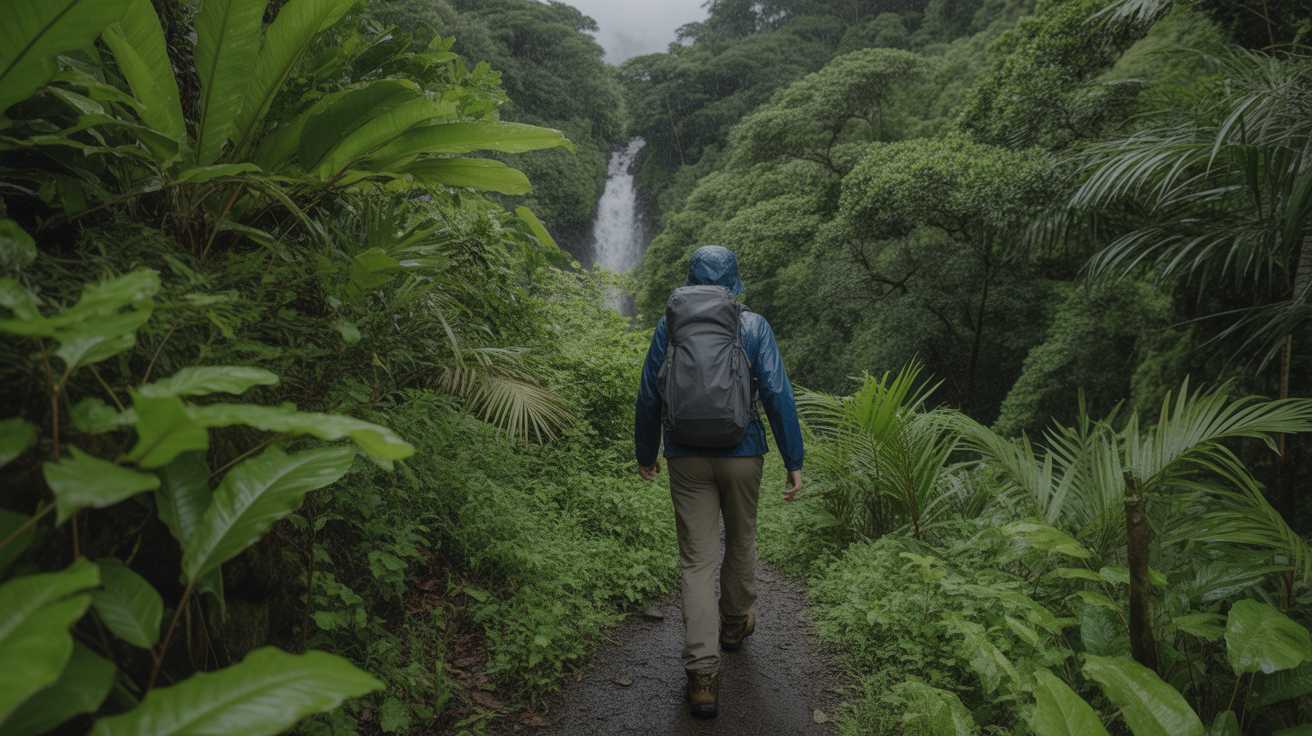
How to choose the right rain jacket for hiking is one of those questions that sounds simple until you are looking at three different jacket styles, all claiming to keep you dry, all at wildly different price points. The tags are full of acronyms you have never seen, the options feel overwhelming, and you just want to know which one will actually work on the trail.
The good news is that once you understand what each jacket type is actually designed to do, the decision gets much easier. This guide breaks down the three main categories of hiking rain jackets, explains the technical terms in plain language, and helps you figure out which one makes the most sense for where you hike, how often you go, and what you are willing to spend. By the end, you will have a clear answer instead of a headache.
What to Look For
Understanding the Three Main Types of Rain Jackets
The confusion when choosing a rain jacket almost always comes down to three jacket types: hardshell jackets, softshell jackets, and windbreakers. Each one has a specific job. A hardshell is the most waterproof option. It uses a laminated membrane (a thin technical layer bonded to the fabric) to block rain completely. A softshell jacket for hiking is stretchy and breathable but offers only light water resistance, making it better for cool, damp days than full downpours. A hiking windbreaker is the lightest of the three. It blocks wind and light drizzle but will soak through in sustained rain. Knowing this distinction alone will prevent most bad purchases.
What Waterproof Ratings Actually Mean
If you look at rain jacket specs, you will often see a number like 10,000mm or 20,000mm next to the word “waterproof.” This is a hydrostatic head rating — it measures how much water pressure the fabric can resist before it leaks. For casual day hiking in typical rain, a 10,000mm rating is more than enough. If you hike in heavy, sustained rain or exposed alpine terrain, 20,000mm gives you extra confidence. You will also see a breathability rating expressed as g/m2, this tells you how much moisture vapor the fabric allows to escape. Higher breathability means less sweat buildup inside the jacket. For most day hikers, a jacket rated at 10,000mm waterproof and 10,000g breathability is a solid all-around choice.
Seams, Zippers, and the Details That Actually Matter
A waterproof shell is only as good as its weakest point, and that is usually the seams. Look for “fully taped seams” or “seam sealed” on the product label. This means the stitching has been covered with waterproof tape so rain cannot sneak through the needle holes. Critically taped seams cover only the high-stress zones (shoulders and hood), while fully taped seams cover every seam on the jacket. For hiking in real rain, fully taped is worth the extra cost. Pit zips (underarm ventilation zippers) are worth having if you run warm or hike hard terrain, they let you dump heat without removing the jacket entirely.
Fit, Layering, and How to Size a Rain Jacket
A rain jacket is almost always worn over other layers, so fit matters more than people expect. You need enough room to wear a merino wool base layer and a mid layer underneath without the jacket pulling tight across the shoulders. At the same time, a jacket that is too baggy catches wind and flaps uncomfortably on exposed ridges. The best approach: try the jacket on over a hoodie or fleece in the store. Check that you can raise both arms fully overhead, that the hood fits over your head without obstructing your vision, and that the hem reaches below your waistband. A helmet-compatible hood is useful if you scramble or hike near technical terrain.
Which Jacket Should You Buy First
If you are buying your first dedicated hiking rain jacket, start with a hardshell in the mid-range waterproof category (10,000 to 20,000mm, fully taped seams). This gives you genuine wet-weather protection that a windbreaker or softshell simply cannot match. A softshell is an excellent second jacket for cool, dry-ish shoulder-season hikes where you want warmth and stretch without bulk. A windbreaker earns its place as a packable backup. It stuffs into its own pocket and weighs almost nothing, making it a smart addition to any hiking daypack once you already own a hardshell. According to REI’s rain jacket buying guide, most hikers find a two-jacket system, a hardshell for wet days and a softshell for cool dry ones, covers the majority of conditions they will realistically encounter.
Features Worth Paying For and Features You Can Skip
Some features on premium jackets are genuinely useful on trail. A drop hem (longer in the back than the front) keeps rain off your lower back when you are bent forward on steep climbs. Adjustable cuffs stop cold air and rain from entering at the wrist. A roll-up hem with a snap keeps the jacket tidy when you pack it. Recco reflectors and bright colors improve visibility in low light. Features you can generally skip at first: removable liners (adds cost and weight), multiple chest pockets you will not use, and proprietary zipper systems that are harder to repair. As the National Park Service layering guide notes, weather on trails can change faster than forecasts predict. A reliable, simple rain jacket you will actually wear beats a feature-packed one that stays home because it is too expensive to risk getting dirty.
Frequently Asked Questions
What is the difference between a waterproof and a water-resistant jacket?
Waterproof and water-resistant are not the same thing, and the difference matters a lot on trail. A waterproof jacket uses a sealed membrane and taped seams to prevent rain from penetrating the fabric, even in sustained heavy rainfall. A water-resistant jacket, which includes most softshells and many windbreakers, has a DWR (Durable Water Repellent) coating applied to the outer fabric. This coating causes light rain to bead up and roll off, but it will eventually saturate and wet out in prolonged rain or heavy downpours. Once the outer fabric is wet, the jacket loses its breathability and starts to feel cold and clammy. For short hikes in light drizzle, water-resistant is often fine. For anything longer than an hour in real rain, or hikes where getting wet creates a safety risk, you want a fully waterproof jacket with sealed seams. The good news is that DWR coatings can be refreshed with a wash-in treatment, extending the life of any jacket significantly.
How do I know if my rain jacket is still waterproof?
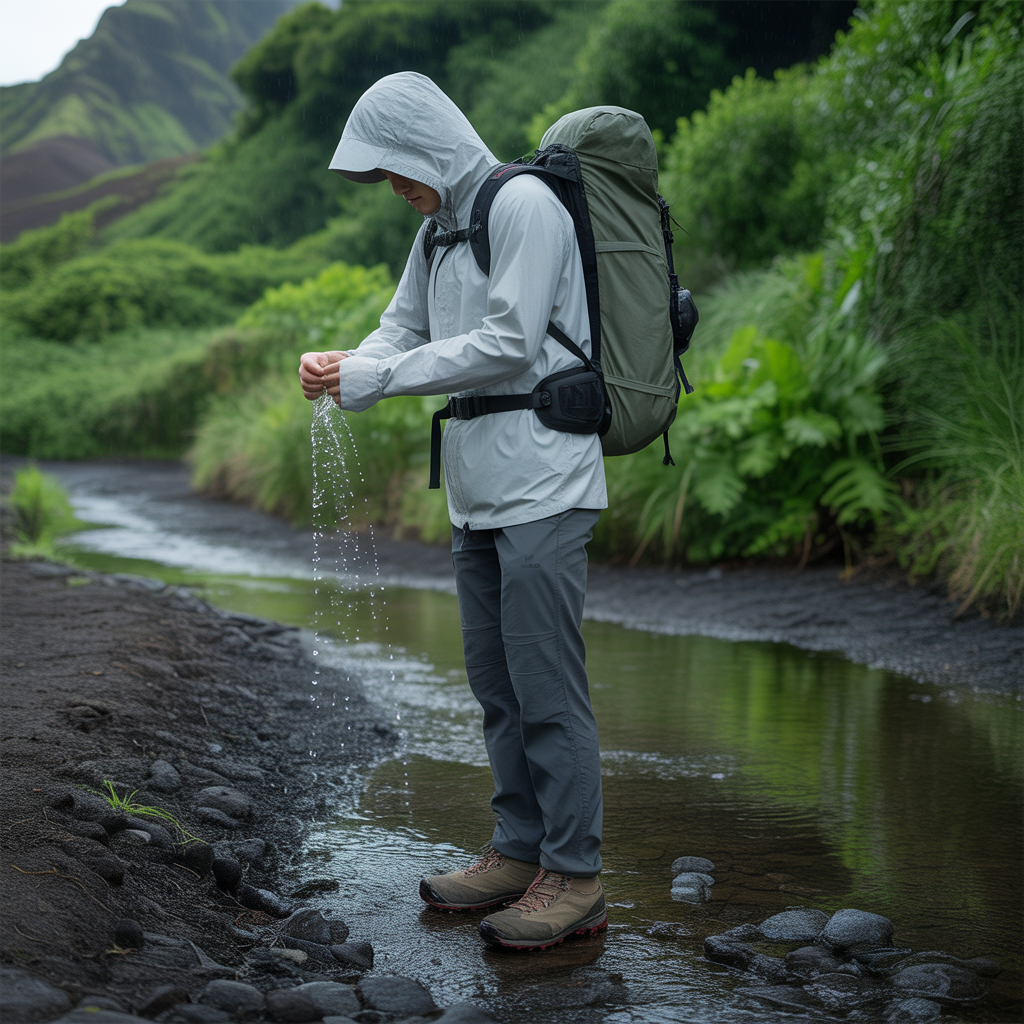
The easiest test is the bead test: run water over the outer surface of your jacket. If the water beads up and rolls off cleanly, your DWR coating is still working. If the water spreads out and soaks into the fabric face, the coating has worn down, a condition called wetting out. A jacket that wets out does not necessarily leak through to your skin immediately if the underlying membrane is intact, but it will feel heavier, colder, and far less breathable. You can restore the DWR coating at home by washing the jacket with a cleaner designed for technical fabrics, then tumble drying it on low heat or ironing it on a low setting through a cloth. Heat reactivates the coating. If beading still does not return after treatment, you can apply a spray-on or wash-in DWR product. Most quality rain jackets need this treatment every season or two depending on how often they are used and laundered.
Is a rain poncho good enough for hiking instead of a jacket?
A lightweight hiking poncho can absolutely work for hiking, especially on easy day trails in moderate rain. Ponchos are inexpensive, pack down small, and cover both you and your pack at once, which is a genuine advantage over a jacket. The tradeoffs are real though: ponchos catch wind like a sail on exposed ridges, they do not seal around the wrists or waist, and they are awkward on technical terrain where you need full arm mobility. For casual nature walks, forest trails, or as a backup layer in a day pack, a poncho is a practical and affordable choice. For anyone who hikes regularly in variable weather, scrambles, or hikes faster terrain, a fitted rain jacket gives you better protection, better mobility, and better heat retention. Many experienced hikers carry both. A jacket as their primary layer and a packable poncho as an emergency backup that can go over a pack in a sudden storm.
How should a rain jacket fit for hiking?
A hiking rain jacket should have enough room to layer underneath it comfortably without feeling baggy or restrictive. The most important fit checks are shoulder width and arm length. If the jacket pulls tight across the shoulders when you lift your arms, it will be uncomfortable and will restrict movement on steep terrain. The sleeves should be long enough to cover your wrists fully when your arms are extended, since this is where cold air enters most easily. The hood should fit snugly enough to stay in place in wind without cinching down around your face, and ideally should be adjustable from multiple points. Check the hem length too. A hem that sits at hip level is more protective than one that stops at the waist. In terms of overall silhouette, a trim athletic fit works well for active hiking, while a regular fit gives you more layering room. Always try the jacket on over the layers you actually plan to wear on trail before buying.
The Bottom Line
Knowing how to choose the right rain jacket for hiking comes down to matching the jacket type to the conditions you actually hike in, not the conditions you imagine in a worst-case scenario. If you hike most weekends in a climate that sees regular rain, a hardshell with fully taped seams is worth the investment and will last you years. If you mostly hike in drier conditions with occasional cold snaps, a softshell may serve you better as a primary layer. And if you want something light to toss in your pack just in case, a windbreaker or packable poncho fits that role without spending much at all.
Start with one good hardshell and build from there. Look for fully taped seams, a waterproof rating of at least 10,000mm, and a fit that works over your base layers. Pay attention to hood adjustability and pit zip ventilation if you tend to hike hard. Once your outer layer is sorted, think about what goes underneath. A quality merino wool base layer paired with a reliable rain jacket will keep you comfortable in a wide range of trail conditions. The goal is never to own the most technical jacket on the rack. It is to own the right one for the trails you love.
Disclosure: As an Amazon Associate, we earn from qualifying purchases. This does not affect our editorial recommendations.