
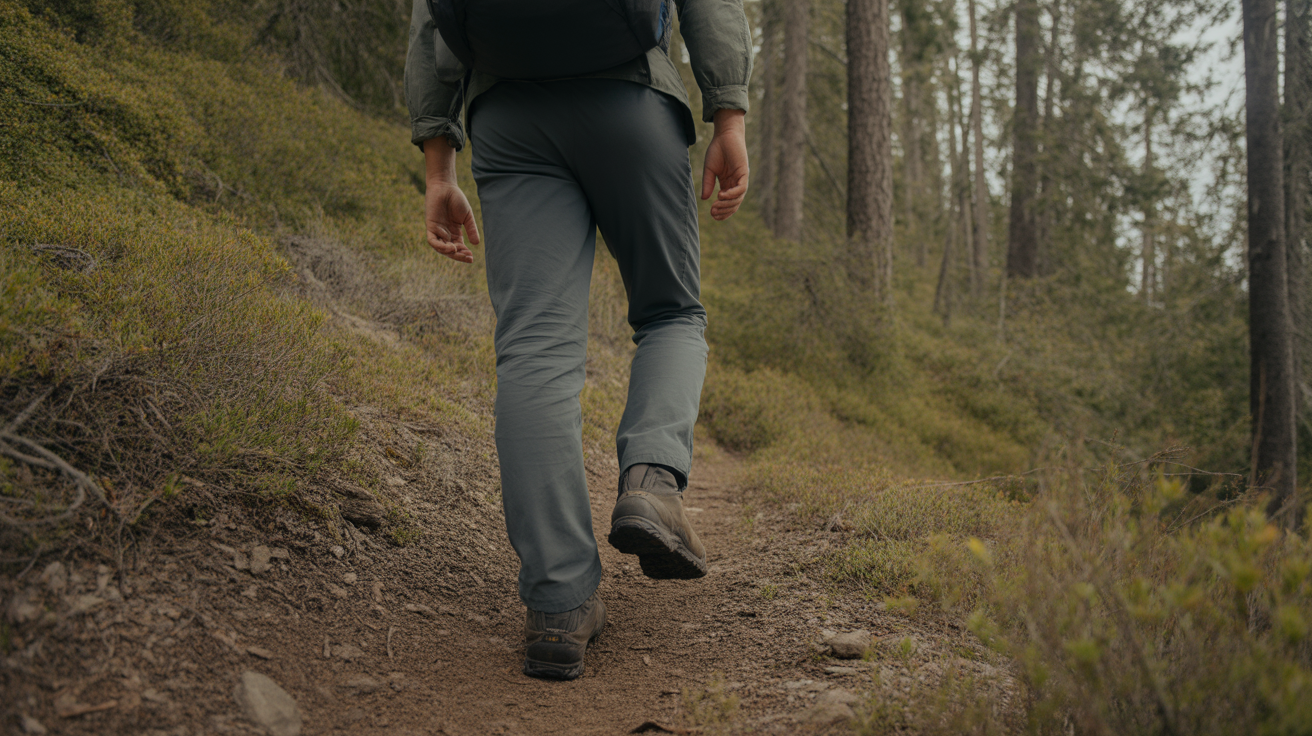
If you have wide feet, finding hiking boots that do not pinch or squeeze can feel impossible. You might have already tried on several pairs at the store, only to find they feel comfortable standing still but uncomfortable after fifteen minutes of walking. That frustration is real, and it is not your fault – most hiking boots are built on standard-width lasts that simply do not accommodate wider feet.
The good news is that several brands now make genuinely wide-fitting hiking boots designed specifically for broader feet. This guide walks you through what makes a boot truly wide (not just labeled that way), which features matter most for beginners, and which specific models have earned strong reviews from hikers with wide feet. You do not need to settle for discomfort or skip hiking altogether.
What to Look For
Understanding True Wide Fit Construction
A boot labeled wide should provide extra room across the ball of your foot (the widest part) and through the toe box, without simply being longer. Many boots marked as wide are just scaled-up versions of standard widths, which means they are longer but not actually wider where you need it. Look for brands that specifically manufacture wide-width models with redesigned lasts – the foot-shaped forms boots are built around. Manufacturers like Merrell, Columbia, and NORTIV 8 offer dedicated wide-width constructions, not just size adjustments. When reading product descriptions, genuine wide boots will mention forefoot width, toe box space, or wide last construction specifically.
Break-In Period and Immediate Comfort
Even wide-fitting boots require a break-in period, but the experience should not be painful from day one. When you first try on a wide hiking boot, you should feel snug around the heel and midfoot (to prevent sliding) but have wiggle room for your toes and no pressure points across the ball of your foot. Walk around your home for 20-30 minutes before your first hike. If you feel pinching, numbness, or pressure points during that test walk, the boot is not wide enough regardless of what the label says. Quality wide boots will feel comfortable within 1-2 short hikes, not after weeks of discomfort.
Sock Pairing for Wide Feet
The socks you wear affect how your wide boots fit and perform. Avoid thick, heavily cushioned socks when you have wide feet, as they take up interior space. Instead, choose medium-weight merino wool or synthetic hiking socks with moderate cushioning. The sock should fit your foot shape without bunching or creating seams across wide areas. Many hikers with wide feet find that socks marketed as having a roomier toe box or anatomical left-right designs work better. Buy your wide boots while wearing the exact sock thickness you plan to hike in, because even a small change in sock bulk affects fit dramatically when you have less margin for error.
Lacing Techniques That Help Wide Feet
How you lace your wide boots matters as much as the boot itself. Skip the bottom eyelet or two if your forefoot feels compressed – this gives the toe box more room to expand without loosening ankle support. Use a heel-lock lacing technique at the top to keep your heel seated even when the forefoot is looser. Some hikers with wide feet benefit from lacing one side tighter than the other if one foot is wider. Experiment at home before hitting the trail. You should be able to spread your toes inside the boot without fighting the laces.
Waterproofing Versus Breathability Trade-Offs
Waterproof boots keep your feet dry in wet conditions, but they trap heat and moisture from sweat. If you hike primarily in dry climates or during warm months, consider non-waterproof boots with better breathability. Your wide feet will stay cooler and manage internal moisture better. If you need waterproofing for rain or stream crossings, accept that your feet will feel warmer and change into dry socks mid-hike when possible. No boot is perfectly waterproof and perfectly breathable – you choose the trade-off that matches your typical conditions.
Weight and Stiffness for Beginner Hikers
Heavier, stiffer boots provide more protection on rocky terrain, but they also fatigue your legs faster and require longer break-in periods. As a beginner with wide feet, prioritize lighter, more flexible boots for your first season. You will hike more comfortably, build foot and ankle strength naturally, and avoid the discouragement of heavy boots on moderate trails. Save the burlier boots for when you are tackling technical terrain or carrying heavier packs. Most beginner day hikes on maintained trails do not require maximum stiffness, and your wide feet will appreciate the added comfort.
Our Top Picks
1. Merrell Men’s Moab 3 Mid Waterproof Hiking Boots
Best for hikers needing proven wide-fit construction with reliable waterproofing
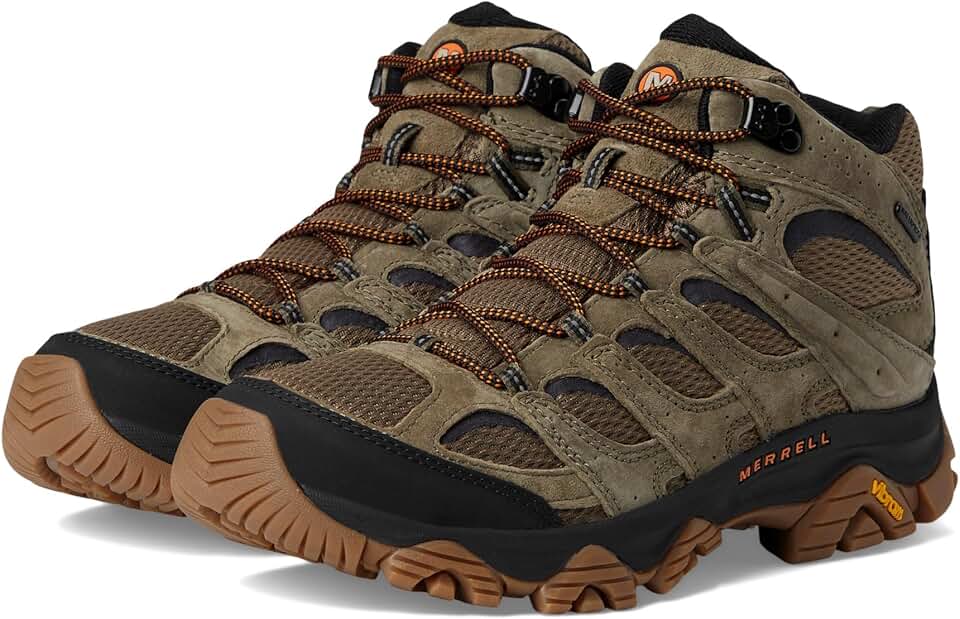
The Moab 3 Mid Waterproof has earned its reputation as one of the most trusted names in wide hiking boots, and it delivers genuine width where it counts most. This boot provides substantial room through the forefoot and toe box without feeling sloppy or loose around the heel and ankle. The waterproof construction performs well in wet trail conditions while maintaining reasonable temperature management for day hikes.
The mid-height design offers structured ankle coverage without the stiffness that plagues many beginner hikers. You can walk naturally from your first wear, though expect a brief settling period of 2-3 short hikes before the boot fully conforms to your foot. The outsole grips well on mixed terrain including dirt trails, gravel paths, and moderate rocky sections. This traction is confidence-inspiring for beginners still developing their footing.
At nearly 170 dollars, this boot represents a significant investment for someone just starting out. However, the 4,945 customer reviews provide substantial social proof that this boot performs reliably across different foot shapes and hiking conditions. Multiple reviewers specifically mention the wide fit as true to size and comfortable for broader feet. The construction quality suggests this boot will last through multiple seasons of regular use, making the upfront cost more reasonable when calculated per hike.
The weight feels moderate – substantial enough to provide protection but not so heavy that your legs tire quickly on longer day hikes. The cushioning underfoot absorbs impact on harder surfaces while maintaining enough ground feel for technical sections where you need to place your feet carefully. See current pricing for the Merrell Men’s Moab 3 Mid Waterproof Hiking Boots on Amazon.
Pros
- Genuine wide-width construction with roomy toe box
- Waterproof protection for wet conditions
- Strong traction on varied terrain
- Substantial review base confirms reliability
Cons
- Higher price point for beginners
- Requires 2-3 hikes to fully break in
View Merrell Men’s Moab 3 Mid Waterproof Hiking Boots on Amazon →
2. Columbia Men’s Transverse Hike Waterproof
Best value option combining wide fit and waterproof protection under 70 dollars
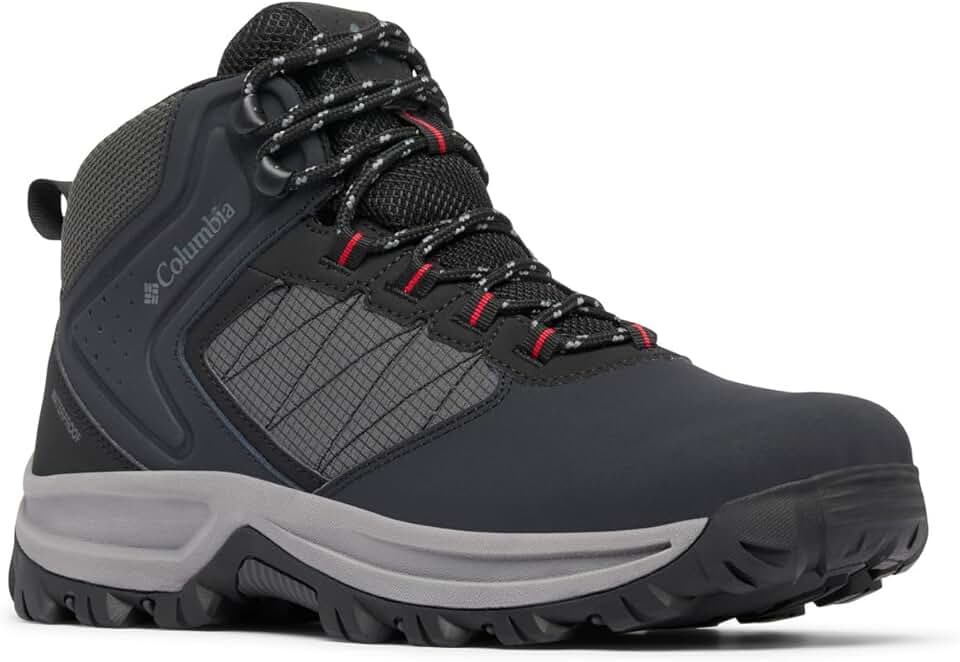
Columbia has built a reputation for accessible outdoor gear, and the Transverse Hike Waterproof delivers that philosophy in a wide-fitting package. At under 65 dollars, this boot provides legitimate waterproof protection and comfortable width at a price that will not devastate a beginner budget. The 4.6-star rating across 2,560 reviews suggests consistent performance across varied users and conditions.
The waterproof construction keeps feet dry through morning dew, light rain, and shallow puddles – the conditions most day hikers actually encounter rather than extreme weather. The fit runs true to size in width, with reviewers noting adequate room through the forefoot without excess volume. This boot works well if you need wide width but not extra-wide, as some competitors offer.
The lighter construction compared to burlier boots means your legs will not fatigue as quickly during those first several hikes when you are still building trail fitness. The trade-off is less robust materials compared to premium options, but for maintained day-hiking trails, this boot provides appropriate protection. The outsole grip handles dirt, gravel, and dry rock adequately, though reviewers note it may slip more than premium boots on wet roots or mud.
Many reviewers report comfort within the first outing or two. The cushioning provides decent shock absorption for moderate distances without feeling overly soft. This boot makes sense for someone planning weekend day hikes on established trails rather than multi-day backpacking or highly technical terrain. The collar padding and tongue design minimize common pressure points that can develop during the first few wears. Read verified buyer reviews for the Columbia Men’s Transverse Hike Waterproof on Amazon.
Pros
- Excellent value under 70 dollars
- Minimal settling period required
- Lighter weight reduces leg fatigue
- True-to-size wide fit
Cons
- Less durable than premium options
- Moderate traction on wet surfaces
3. NORTIV 8 Men’s Ankle High Waterproof Hiking Boots
Best budget-friendly option with wide fit and massive review base
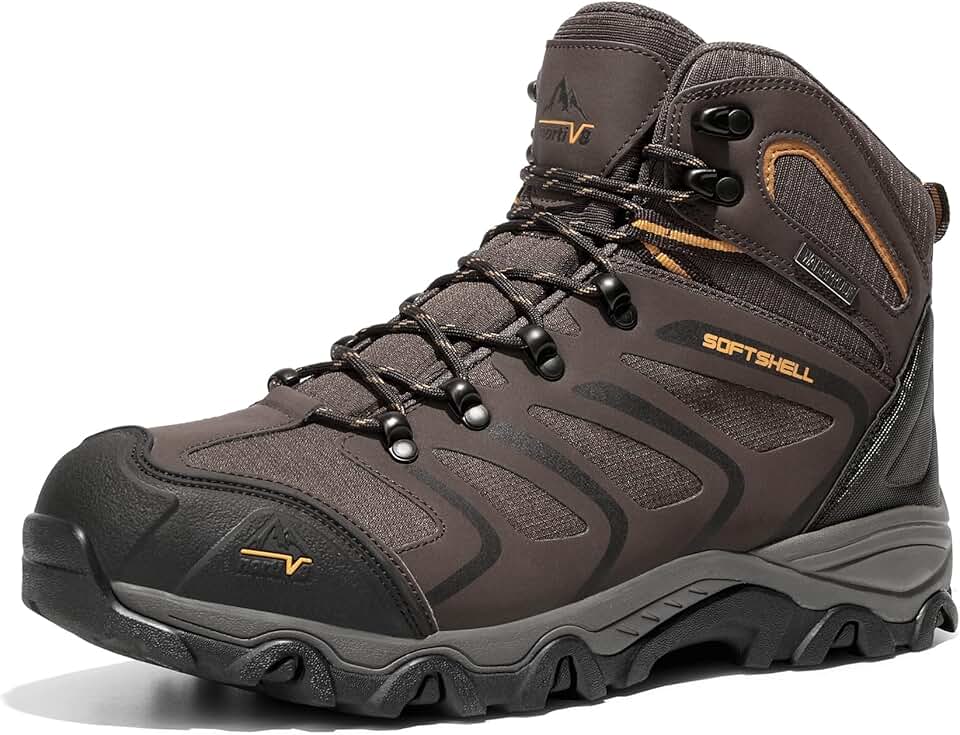
With over 22,000 customer reviews, the NORTIV 8 Ankle High boot represents one of the most purchased hiking boots among beginners, and its wide-fitting construction addresses a common pain point at an approachable price. At under 60 dollars, this boot removes the financial barrier that stops many people from trying hiking. The 4.4-star rating across that enormous review base suggests reliable performance despite the budget price point.
The ankle-high design provides less coverage than mid-height boots but offers advantages for beginners: easier to get on and off, lighter weight, and more natural ankle movement. If you are hiking maintained trails without heavy loads, ankle-high boots provide adequate protection while feeling less restrictive. The waterproof layer handles typical wet conditions like morning dew and light rain that most day hikers encounter.
Multiple reviewers with wide feet note that this boot runs true to size in width and provides comfortable room through the forefoot and toes. Many users report comfort from the first wear. The build quality is appropriate for the price – this boot will serve you well for a season or two of regular hiking but may show wear sooner than premium alternatives. For someone exploring whether hiking becomes a regular activity, that trade-off makes sense.
The outsole provides basic traction on dirt and gravel trails but will struggle on wet rocks or steep terrain. The cushioning is adequate for moderate distances, though it lacks the sophisticated comfort systems of higher-priced boots. The lacing system offers decent adjustability for fine-tuning fit across different foot shapes. Think of this as your starter boot – it will get you on trails comfortably while you figure out if hiking becomes a passion worth investing more gear dollars into. Check current stock for the NORTIV 8 Men’s Ankle High Waterproof Hiking Boots on Amazon.
Pros
- Budget-friendly at under 60 dollars
- Massive review base provides confidence
- Comfortable from first wear
- Lighter ankle-high design
Cons
- Basic traction on technical terrain
- Shorter lifespan than premium boots
- Limited cushioning for longer distances
View NORTIV 8 Men’s Ankle High Waterproof Hiking Boots on Amazon →
4. Timberland Men’s White Ledge Mid Waterproof Hiking Boots
Best for hikers wanting brand recognition and extensive proven reliability
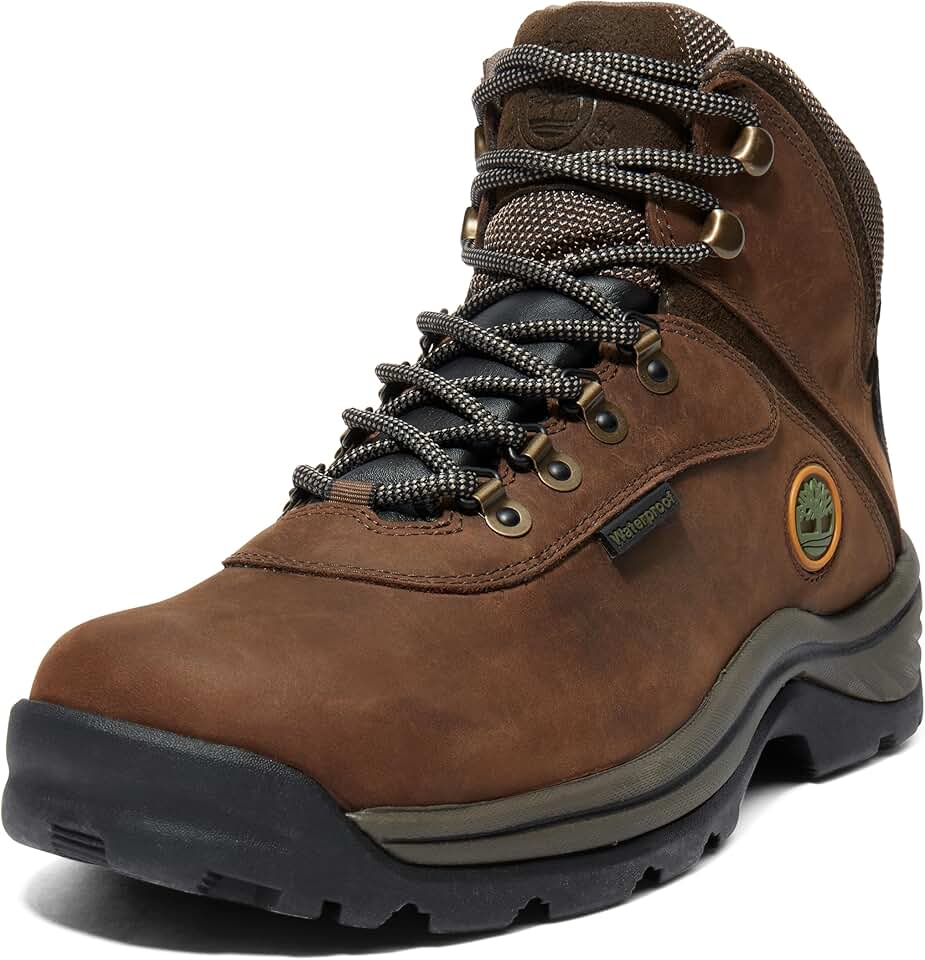
The Timberland White Ledge Mid carries the weight of over 67,000 customer reviews – an extraordinary level of feedback that provides clear insight into real-world performance. This boot has been a staple of beginner hiking for years, and while it is not specifically marketed as a wide boot, many reviewers with wider feet report that it accommodates broader dimensions comfortably. The 4.5-star rating across that massive review base indicates consistent satisfaction.
The waterproof protection holds up well over time, not just initial outings. The mid-height design provides structured ankle coverage while maintaining flexibility for natural movement. The feel is substantial without being heavy – a quality that reviewers appreciate across multiple seasons of use, which helps justify the 110-dollar price point better than some cheaper alternatives that need replacement after one season.
Timberland has refined this design over multiple iterations, and it shows in the details. The padded collar prevents rubbing and hot spots that plague many boots during initial wears. The lacing system provides good adjustability to fine-tune fit across different foot widths. The outsole grip handles varied terrain confidently, from dirt trails to rocky sections to wet grass.
Expect 2-4 hikes before the boot fully conforms to your foot. This is longer than some competitors but not unreasonable for a boot built with quality materials. The internal cushioning provides good shock absorption for day hikes and light backpacking. Multiple reviewers note the boot maintains comfort through 8-10 mile days, which represents solid endurance for beginners building up distance. The toe box offers more room than many standard-width boots, which explains why wider-footed hikers find success with this model. Compare the Timberland Men’s White Ledge Mid Waterproof Hiking Boots specs and pricing on Amazon.
Pros
- Exceptional review base provides confidence
- Quality materials last multiple seasons
- Reliable waterproof protection
- Comfortable for extended distances
Cons
- Not specifically marketed as wide fit
- Longer settling period required
- Higher price for name-brand premium
View Timberland Men’s White Ledge Mid Waterproof Hiking Boots on Amazon →
5. Merrell Women’s Moab 3 Mid Waterproof Hiking Boots
Best women-specific wide fit with proven Moab platform

The women-specific version of the highly regarded Moab 3 brings the same wide-fitting comfort that has made the men version successful, tailored to women foot shapes and proportions. At 78 dollars, this boot sits in a sweet spot between budget options and premium prices while delivering performance that justifies the investment. The 4.6-star rating across over 3,300 reviews provides strong social proof of reliable performance.
Women with wide feet face extra challenges because many brands simply shrink men designs rather than accounting for differences in heel width, arch shape, and forefoot proportion. Merrell has engineered this boot specifically for women feet, which means the wide fit works correctly – roomy through the toe box and forefoot without being loose in the heel. Multiple reviewers specifically praise this aspect of the fit.
The waterproof layer performs well in typical hiking conditions like morning dew, stream crossings, and light rain. The breathability is adequate for moderate temperatures, though your feet will warm up during summer hikes as they will in any waterproof boot. The outsole provides confident traction on mixed terrain including dirt, gravel, and moderate rock sections. The grip inspires confidence when you are still developing your trail footing.
The mid-height design supports your ankle without restricting movement, and the overall weight is moderate – protective without being exhausting. The settling period is short, typically 1-2 hikes, which means you can start enjoying your boots quickly rather than enduring weeks of adjustment. The cushioning provides good shock absorption for day hikes up to 10 miles. The women-specific shaping through the heel cup and arch means less sliding and more secure footing on descents. See if the Merrell Women’s Moab 3 Mid Waterproof Hiking Boots is right for your first hike on Amazon.
Pros
- Women-specific wide fit construction
- Excellent value at 78 dollars
- Short settling period
- Reliable waterproof protection and traction
Cons
- May run warm in summer heat
- Moderate weight compared to lighter alternatives
View Merrell Women’s Moab 3 Mid Waterproof Hiking Boots on Amazon →
How These Compare
Choosing among these wide-fitting boots depends on your specific priorities and hiking plans. If budget is your primary concern and you are testing whether hiking becomes a regular activity, the NORTIV 8 at under 60 dollars provides a low-risk entry point with adequate performance for maintained trails. The massive review base gives you confidence that thousands of other beginners have started here successfully. However, if you know hiking will be a regular weekend activity and you want a boot that will last multiple seasons, spending more upfront makes sense.
The Columbia Transverse Hike at 65 dollars hits a middle ground – better quality than the NORTIV 8 with waterproof reliability and wider fit at a price that will not wreck your budget. This boot works well if you plan to hike in varied conditions including wet weather but do not need the absolute maximum durability. The lighter weight also helps reduce fatigue during those first months of building trail fitness.
For serious commitment to hiking and maximum performance, the Merrell Moab 3 Mid (both men and women versions) represents the gold standard in wide-fitting boots. Yes, you will spend more – 170 dollars for men, 78 dollars for women – but you get proven wide-width construction, excellent traction, reliable waterproofing, and build quality that lasts. The substantial review bases provide confidence that these boots perform consistently across different feet and conditions. If you can afford the upfront investment, you will likely save money long-term by not replacing cheaper boots.
The Timberland White Ledge Mid offers an alternative if brand recognition and proven longevity matter to you. While not specifically marketed as wide, many reviewers with wider feet find the fit accommodating. The 67,000-plus reviews provide exceptional insight into long-term performance. At 110 dollars, the price sits between budget and premium options while delivering quality that justifies the cost through multiple seasons of use.
Women hikers should strongly consider the Merrell Moab 3 Mid women-specific version rather than trying men boots or unisex options. The 78-dollar price represents excellent value for a boot engineered to fit women foot proportions correctly in wide widths. The difference in how a properly designed women boot fits versus an adapted men design is significant and worth the specificity.
Frequently Asked Questions
How do I know if I need wide-fitting hiking boots?
You need wide-fitting hiking boots if standard-width boots cause pressure across the ball of your foot, pinch your little toe, create numbness after 15-20 minutes of walking, or leave red marks across the widest part of your foot. Many people discover they need wide boots after trying regular boots that felt fine in the store but became uncomfortable on actual hikes. Another clear sign is if your everyday shoes or sneakers are typically labeled wide or extra-wide. Try on standard-width hiking boots first – if you feel any pinching or tightness across the forefoot even before walking, you need wide-fitting boots. The fit should be snug around your heel and midfoot but have noticeable wiggle room for your toes without any pressure across the widest part of your foot. Walk around the store or your home for at least 20 minutes; discomfort during that test means you need more width.
Can I break in regular-width boots if I have wide feet?
No, you cannot break in regular-width boots to accommodate wide feet, and attempting this will cause significant discomfort. Hiking boots break in by flexing the materials and conforming to your foot shape, but they do not stretch significantly in width. The last (the foot-shaped form the boot is built around) determines the fundamental width, and no amount of wearing will change that structure. What you will achieve by trying to force narrow boots to fit is bruised feet, compressed toes, and pressure points along the forefoot – a terrible hiking experience that might convince you that you hate hiking when really you just hate poorly fitting boots. Some people attempt to stretch boots with boot stretchers or by wearing thick socks, but these methods provide minimal width increase and do not address the fundamental fit problem. Save yourself the discomfort and money – if a boot feels tight across your forefoot when you try it on, it will not improve meaningfully.
Are wide hiking boots less supportive than regular boots?
No, wide hiking boots are not less supportive than regular-width boots – they simply provide the same support structures in a wider footprint. The misconception that wider equals less support comes from confusing width with looseness, but these are different characteristics. A properly fitting wide boot should feel snug around your heel and ankle (providing support and preventing sliding) while offering room across the forefoot and toes (preventing compression). Quality wide boots from brands like Merrell, Columbia, and Timberland maintain the same ankle support, midsole cushioning, and stability features as their standard-width versions. The support comes from the heel cup, ankle collar, midsole design, and overall structure – none of which are compromised by making the forefoot wider. In fact, wide boots can provide better support for people with wide feet because your foot sits properly on the midsole platform rather than overflowing it or being compressed.
What is the difference between wide and extra-wide hiking boots?
Wide hiking boots (often labeled 2E for men, D for women) provide additional width primarily across the ball of the foot and toe box compared to standard widths. Extra-wide boots (typically labeled 4E for men, 2E for women) offer even more room throughout the entire boot – forefoot, midfoot, and sometimes heel. Most hikers with moderately wide feet find that standard wide boots provide sufficient room. Extra-wide becomes necessary if you have very broad feet, bunions, hammertoes, or other conditions requiring maximum width. Unfortunately, extra-wide hiking boots are harder to find because fewer manufacturers make them. If standard wide boots still feel tight across your forefoot, you may need extra-wide, but be prepared to search more extensively and possibly consider custom or specialty orthopedic hiking boots. Start with regular wide boots first, as most people with wide feet find adequate comfort there without needing to jump to extra-wide options that have limited availability.
Should I size up instead of buying wide-fitting boots?
No, sizing up in length does not solve width problems and creates new fit issues that will make hiking uncomfortable. When you buy a longer boot to accommodate width, you get extra toe room you do not need (allowing your foot to slide forward on downhills) and a heel cup that is too large (allowing your heel to slip). Your foot will move around inside the oversized boot, which defeats the purpose of having proper hiking footwear. The ball of your foot (the widest part) will not align correctly with the widest part of the boot, causing instability and awkward movement. Additionally, the flex point of the boot (where it bends as you walk) will not match the flex point of your foot, creating unnatural gait patterns and fatigue. Proper fit requires both correct length and correct width. Buy boots that match your actual length measurement and select wide widths to accommodate your foot shape correctly.
The Bottom Line
Finding wide-fitting hiking boots that actually fit comes down to choosing brands that engineer genuine width rather than just scaling up standard sizes. If you are starting your hiking journey and want to minimize financial risk while testing the waters, the NORTIV 8 at under 60 dollars provides adequate performance with a massive review base confirming reliability. For a better balance of quality and value, the Columbia Transverse Hike at 65 dollars delivers waterproof protection and comfortable width at a price that respects beginner budgets.
When you are ready to invest in boots that will last multiple seasons and handle varied conditions confidently, the Merrell Moab 3 Mid (either men or women specific versions) represents the gold standard in wide-fitting hiking boots. Yes, the upfront cost is higher, but the proven fit, reliable performance, and substantial review bases provide confidence that you are buying boots that will support your hiking for years. Women should prioritize the women-specific Moab 3 Mid rather than trying to adapt men boots – the fit difference is significant and worth the specificity.
Regardless of which boot you choose, remember that even wide-fitting boots require proper sock pairing and may need 1-3 short hikes to fully conform to your feet. Wear them around your home first, practice your lacing technique, and do not push through significant discomfort hoping it gets better. Your feet deserve boots that fit correctly from the start, and with these options, you can step onto the trail with confidence rather than dread.
Disclosure: As an Amazon Associate, we earn from qualifying purchases. This does not affect our editorial recommendations.