
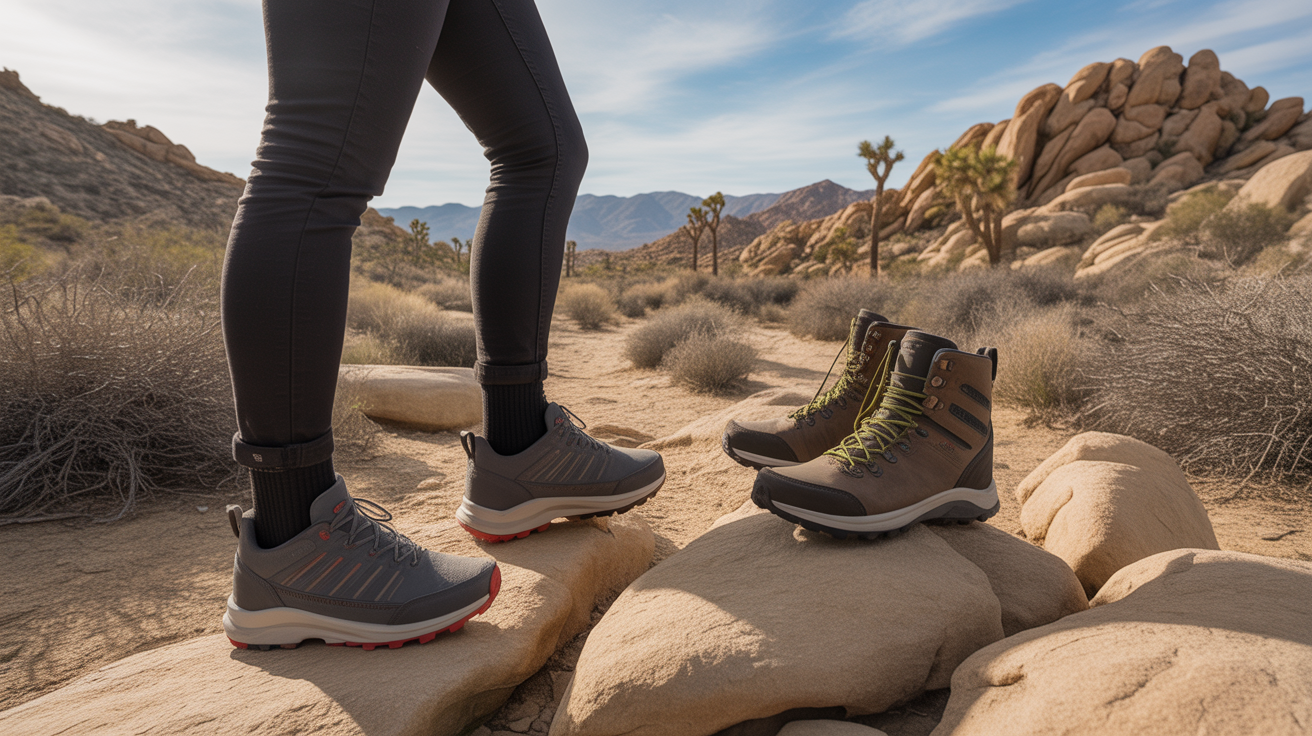
How to choose between trail runners and hiking boots is one of those questions that seems simple until you start reading about it online – and then suddenly you are drowning in contradictory advice. One forum says boots are essential for anything longer than five miles. Another insists trail runners are all you ever need. A friend swears by one option while a coworker calls it overkill. It is genuinely confusing, and the frustration is valid.
The honest answer is that neither option is universally better. The right choice depends on your terrain, the distance you are covering, how your feet are built, and what kind of hiker you are right now. This article cuts through the noise and gives you a clear, practical framework for making that decision – no brand loyalty, no gear snobbery, just the information you need to walk out the door confident in what is on your feet.
What to Look For
Understanding What Each Option Actually Is
Before diving into how to choose between trail runners and hiking boots, it helps to understand what each one actually does. Trail runners are low-cut athletic shoes built for off-road running and fast movement. They are lighter than boots, more flexible, and designed to dry quickly. Hiking boots are taller, stiffer, and built for load-bearing stability – they wrap around the ankle and are typically made with more durable materials to handle rough terrain and heavier packs. Both are legitimate tools, but they are designed for different jobs.
Terrain: The Single Biggest Factor in How to Choose Between Trail Runners and Hiking Boots
If you are hiking on maintained dirt trails, packed gravel paths, or relatively flat terrain with minimal obstacles, trail runners will almost always feel better. They are nimble, breathable, and more comfortable for sustained walking on predictable surfaces. If your route involves loose scree, wet rock slabs, significant elevation gain, scrambling, or any terrain where a twisted ankle is a real possibility, hiking boots earn their keep. The added ankle height and stiffer midsole give your foot a more stable platform when the ground beneath you is unpredictable.
One important nuance: ankle support from boots is somewhat overstated in current research. Strong ankles developed through regular hiking or other exercise provide more injury prevention than the boot itself. That said, for hikers who are new to uneven terrain or who have had previous ankle injuries, that extra collar of structure can provide additional stability on rocky trails.
Distance and Pack Weight: When Each Option Wins
For day hikes under ten miles with a light hiking daypack, trail runners are an excellent choice for most people. They reduce fatigue because lighter footwear means less energy spent lifting your feet with every step. Over long distances, this adds up significantly. However, once you start carrying a heavier pack – think multi-day trips with camping gear – the calculus shifts. More pack weight transfers more force through your feet and ankles, and many experienced backpackers find that a stiffer boot platform helps distribute that load across a wider surface area of the foot. Some backpackers use trail runners successfully for long trips, but they typically have well-conditioned feet and strong lower legs built up over time.
Foot Type and Personal Biomechanics
Your foot shape matters more than most people realize. Hikers with wide feet often find trail runners more comfortable out of the box because many models have a roomier toe box. If you have been dealing with pinching or pressure in traditional hiking boots, look into trail running shoes designed for hiking as a genuine alternative. On the other hand, hikers with flat arches, overpronation (where the foot rolls inward), or a history of plantar fasciitis may actually find more structured support in a hiking boot – especially when paired with quality aftermarket hiking shoe insoles that address their specific arch needs.
Break-In Period and Comfort From Day One
This is one area where trail runners have a clear, undisputed advantage. Most trail runners feel comfortable immediately – you can often wear them on a hike the same day you buy them. Traditional hiking boots, especially leather or heavily structured models, require a break-in period that can range from a few sessions to several weeks. Wearing new, unbroken boots on a long hike is one of the most reliable ways to end up with painful blisters. If you go the boot route, break them in on short walks and around the neighborhood before committing to a full day on the trail. And regardless of which footwear you choose, always pair them with quality hiking compression socks – the right sock is genuinely half the battle when it comes to foot comfort and blister prevention.
Waterproofing, Conditions, and Seasonal Factors
Many hikers default to waterproof boots for wet conditions, which makes sense – but waterproofing comes with trade-offs. Waterproof membranes like Gore-Tex keep water out but also trap heat and reduce breathability. In summer heat, this can lead to sweat buildup and blisters even on dry trails. For wet environments like Pacific Northwest rainforest trails or spring snowmelt conditions, waterproofing in either boots or waterproof trail runners is worth considering. For dry climates and summer conditions, a non-waterproof trail runner that dries quickly if it gets wet is often more comfortable overall. According to REI’s hiking footwear guide, the best footwear is always the one that fits your specific conditions – not the one with the most features. As the National Park Service notes, proper footwear matched to trail conditions is one of the most important factors in a safe and enjoyable hike.
Frequently Asked Questions
Are trail runners good enough for hiking, or do I really need boots?
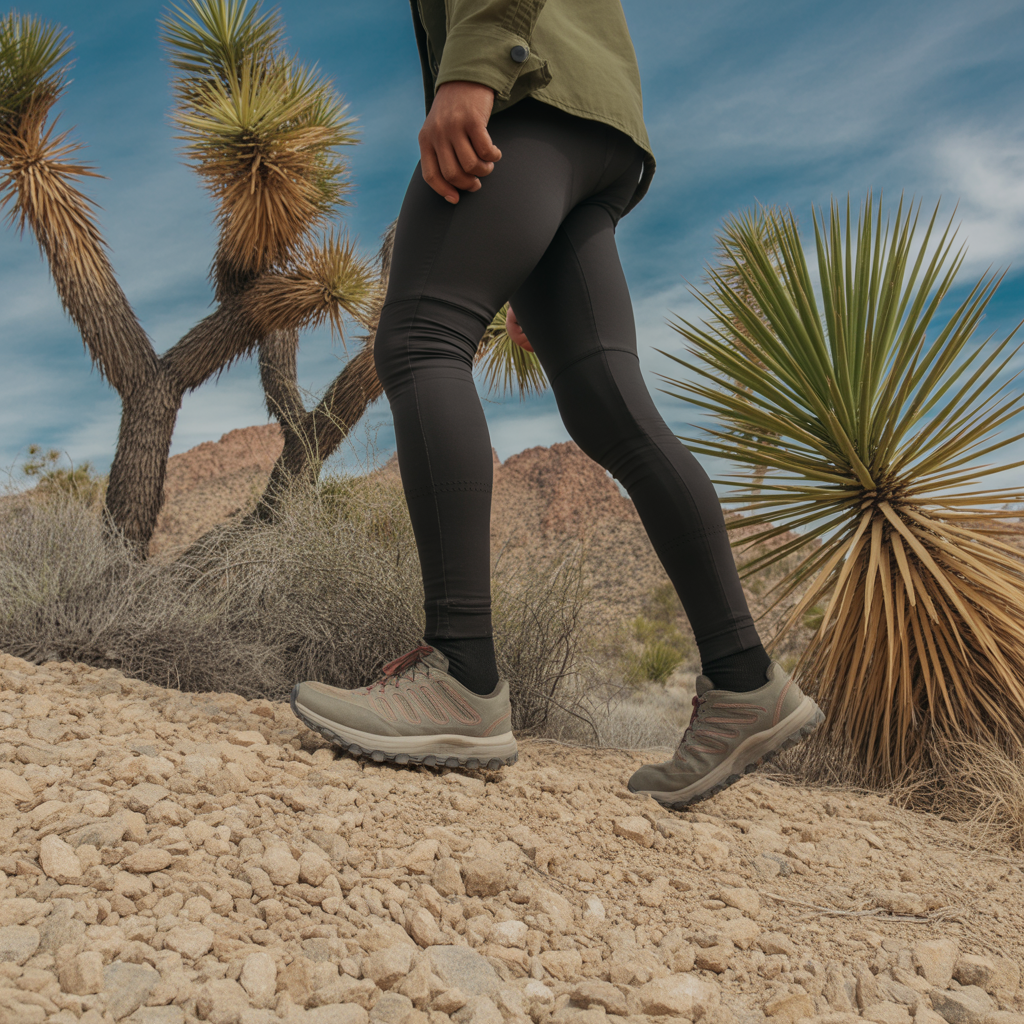
Trail runners are genuinely good enough for a wide range of hiking situations – and for many hikers, they are actually the better choice. If you are doing day hikes on maintained trails, covering moderate distances with a light pack, or hiking in warm and dry conditions, trail runners will likely feel faster, lighter, and more comfortable than boots. The idea that you must have boots to hike is outdated. That said, there are situations where boots earn their place: technical terrain with loose rock or significant scrambling, multi-day trips with heavy pack loads, cold and wet conditions where insulation and waterproofing matter, and hikers who have specific foot support needs. The honest answer is that trail runners cover the majority of what most hikers actually do on the trail. If you are just getting started, do not feel pressured into buying stiff, heavy boots. A well-fitted trail runner paired with good hiking compression socks will serve most beginners and intermediate hikers extremely well.
Do hiking boots really prevent ankle sprains?
This is one of the most debated topics in hiking footwear, and the evidence is more nuanced than you might expect. High-cut hiking boots do provide a physical boundary around the ankle, which some hikers find reassuring – especially on loose or rocky terrain. However, studies on ankle injury prevention have shown mixed results for boot height as a primary preventive factor. What matters more is overall leg strength, proprioception (your body’s sense of foot position), trail awareness, and appropriate footwear for the terrain you are actually on. Boots do not make careless footwork safe, and trail runners do not automatically lead to more injuries. For hikers returning from a previous ankle injury or those who feel genuinely unstable on uneven ground, the additional structure of a boot provides a taller collar that restricts some range of motion on uneven surfaces. For healthy, trail-aware hikers on moderate terrain, trail runners carry no significant injury disadvantage. The best approach is to choose footwear that fits your terrain and experience level, then build strength and awareness over time.
What socks should I wear with trail runners versus hiking boots?
The sock choice matters enormously regardless of which footwear you pick – and it is often the most overlooked piece of the comfort equation. With trail runners, which tend to run warmer and have less interior volume, a medium-weight hiking sock works well for most conditions. Look for merino wool or synthetic blends that wick moisture efficiently. Cotton socks are a hard no in either trail runners or boots – they hold moisture, which leads directly to blisters and discomfort. With hiking boots, a slightly thicker sock often works better because boots have more interior space and the extra cushioning helps with both comfort and blister prevention during break-in. Regardless of your footwear choice, always wear the exact socks you plan to hike in when trying on any new shoe or boot. A half-size difference in fit can appear simply from changing sock thickness. Good hiking compression socks also improve circulation and reduce foot fatigue on longer days, which benefits wearers of both boot styles.
How do I know if my feet need more support – boots or trail runners?
A few signs point toward needing the extra structure that hiking boots typically provide. If you have been diagnosed with flat feet or significant overpronation, a stiffer midsole found in most boots can reduce the rolling and fatigue that comes from unsupported arches. If you have dealt with plantar fasciitis – pain along the bottom of the foot, especially in the morning – look for footwear with firm arch support, and consider pairing it with dedicated hiking shoe insoles designed for arch correction. If you have had multiple ankle sprains in the past, the added collar height of a boot may give you more confidence on uneven ground. On the other hand, if your feet are wide with high arches and you tend to pronate neutrally, many trail runners will fit and support you better than a boot ever will. When in doubt, visit a specialty outdoor retailer and ask for a gait assessment – it takes five minutes and gives you specific information about your foot mechanics that no article can fully replace.

The Bottom Line
Knowing how to choose between trail runners and hiking boots ultimately comes down to matching the tool to the job. For most day hikers tackling well-maintained trails with a light pack, trail runners offer real advantages in comfort, weight, and immediate wearability. For hikers heading into technical terrain, carrying heavy loads over multiple days, or dealing with specific foot support needs, a structured hiking boot still makes a strong case.
If you are just starting out and feel overwhelmed, here is a simple starting point: if your upcoming hikes are under ten miles on maintained trails in decent weather, start with trail runners. If you are planning routes with significant elevation gain, scrambling, or off-trail movement, lean toward boots. If you have wide feet or have struggled with boot fit in the past, trail runners are worth trying first.
Whatever you choose, do not forget that footwear is only part of the equation. The right socks, a properly fitted pack, and knowing your terrain will do as much for your comfort as the shoe brand on your feet. Get out there, pay attention to how your feet feel, and let your own experience guide your next purchase.
Disclosure: As an Amazon Associate, we earn from qualifying purchases. This does not affect our editorial recommendations.