
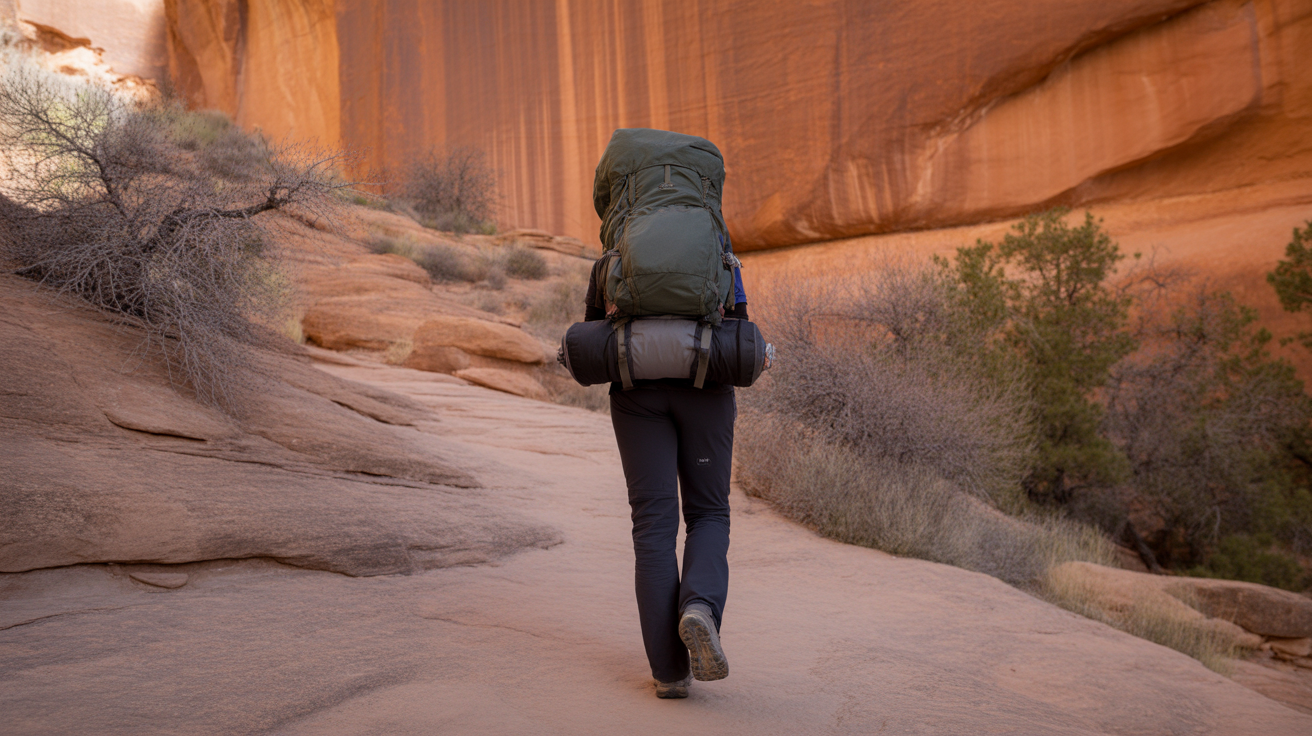
How to transition from day hiking to backpacking is one of the most exciting questions you can ask yourself as an outdoor enthusiast. You have already proven you can handle the trail for a few hours. Now the idea of sleeping out there, waking up to a sunrise above the treeline, and covering real distance over multiple days is calling to you. The shift makes practical sense once you see what it involves.
The good news is that the jump is not as complicated as it looks from the outside. Most day hikers already own more of the right gear than they realize. What you need is a clear picture of what actually changes overnight, what gear fills those gaps, and what you can skip entirely as a first-timer. This guide lays all of that out so you can stop overthinking and start planning your first night on trail.
What to Look For
Understanding What Actually Changes When You Go Overnight
The core difference between a day hike and a backpacking trip is not difficulty. It is self-sufficiency. On a day hike, you are never far from your car, a snack shop, or a warm bed. Backpacking means you carry everything you need to survive comfortably until you return. That sounds intimidating, but it is really just a packing challenge. Your body already knows how to hike. You are just adding a heavier pack and a sleeping situation to the equation.
The learning curve hits hardest in three areas: shelter, sleep systems, and food. Everything else, including clothing, navigation, and safety, builds naturally on skills and gear you likely already have. How to transition from day hiking to backpacking becomes much clearer when you break it into those categories rather than treating it as one overwhelming leap.
The Big Three: Shelter, Sleep, and Food
Every backpacker talks about the Big Three because they dominate your pack weight and your budget. These are the items you do not already own from day hiking.
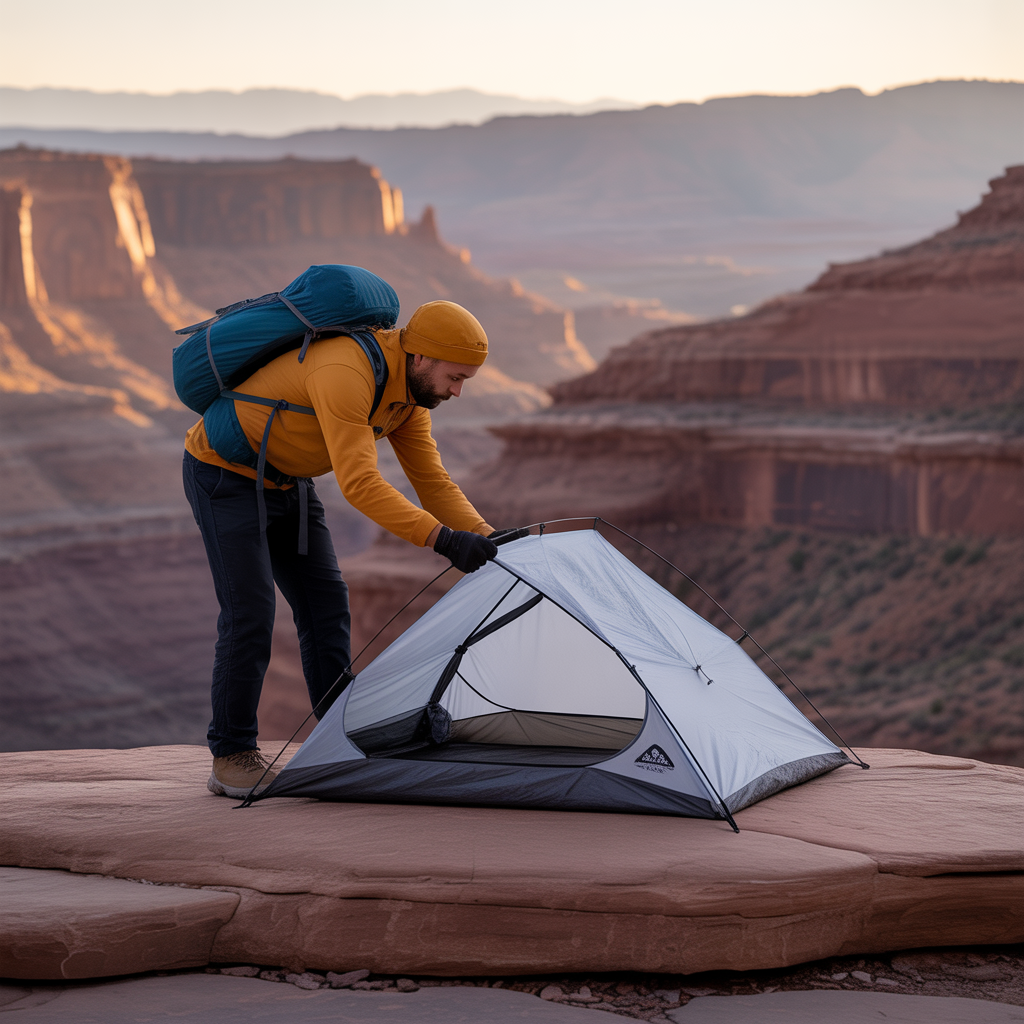
Shelter means a tent designed for backcountry use. Car camping tents are too heavy to carry comfortably over distance. A lightweight tent for backpacking typically weighs between two and four pounds and is designed to pack down small enough to fit in or strap to your pack. For a beginner, a two-person tent offers extra room without a painful weight penalty and is a worthwhile investment.
Your sleep system is your sleeping bag for backpacking paired with a sleeping pad. The pad is not optional comfort. It insulates you from the ground, which pulls heat out of your body faster than cold air does. Choose a sleeping bag rated to at least 10 degrees Fahrenheit below the coldest temperature you expect overnight. Ratings are a floor, not a guarantee.
Food for backpacking means carrying calories that do not require refrigeration and can be prepared with minimal equipment. Freeze dried meals for backpacking are the easiest starting point. You add boiling water, wait ten minutes, and eat from the pouch. Pair them with hiking snacks like nuts, jerky, and bars to keep energy consistent throughout the day.
Water: The Upgrade You Cannot Skip
On a day hike, you can often carry enough water from the trailhead. On an overnight, you will almost certainly need to collect and treat water from natural sources along the route. A portable water filter is non-negotiable for backpacking. Squeeze filters and pump filters are the most beginner-friendly options. They are easy to use, reliable, and light enough to barely notice in your pack. Never drink untreated water from any stream or lake regardless of how clean it looks.
Your Pack: Upgrading From Daypack to Overnight Capacity
Your current hiking daypack holds 20 to 30 liters, which is designed for snacks, layers, and a water bottle. A backpacking pack needs to hold your shelter, sleep system, food, clothing, and all your gear. For one to three night trips, a pack in the 40 to 50 liter range works well for most people. Look for a pack with a padded hip belt, because it transfers weight off your shoulders and onto your hips where you can carry it much more efficiently over distance. A 50 liter backpack is a practical starting point for beginner backpackers who have not yet optimized their gear for minimum weight.
Clothing: What You Already Own Versus What You Need
Most day hikers own usable clothing for backpacking. The key difference is that you need to think in layers and plan for conditions that can shift from warm afternoons to cold nights. A moisture-wicking merino wool base layer works for both hiking and sleeping in cooler temps. A rain jacket is essential because you cannot predict weather across multiple days. Pack one set of dry camp clothes to change into at the end of the day. Keeping camp clothes separate from hiking clothes is a simple habit that makes a noticeable difference in overnight comfort.
Change your hiking socks daily and keep a dry pair specifically for sleeping. Wet feet cool your core temperature overnight and make the next morning miserable before it even starts.
Safety, Navigation, and Leave No Trace
Backpacking takes you further from help than day hiking does. A headlamp is essential. A basic first aid kit, an emergency whistle, and a downloaded offline map of your route are minimum safety items. Learn to read your trail map before you leave, not at the junction where you are not sure which way to go.
Study Leave No Trace principles before your first overnight. Camping in the backcountry comes with responsibility for the environment. Choosing established tent sites, packing out all waste, and following food storage rules, including the use of a bear canister where required, are non-negotiable parts of being a responsible backpacker. You can find permit requirements and trail-specific regulations through the National Park Service wilderness resources for the area you plan to visit.
How to Practice Before Your First Real Trip
The smartest move any new backpacker can make is a shakedown trip. This means loading your full pack and sleeping in your backyard, a campground, or a short overnight trail within easy reach of help if something goes wrong. You will immediately discover whether your pack fits properly, whether your sleeping bag is warm enough, and whether you forgot anything important. One shakedown trip prevents a miserable first real backpacking experience. How to transition from day hiking to backpacking is much smoother when you have tested your system before you are three miles deep into a wilderness area.
Frequently Asked Questions
How far should a beginner backpacker hike on their first overnight trip?
For a first overnight backpacking trip, aim for a total distance of five to eight miles for the entire trip, not per day. That might mean a two to four mile hike in to your campsite on day one, a short exploration on day two, and the hike out on day three or back on day two. The goal of your first trip is not mileage. It is learning how your body handles a loaded pack over real terrain, how your sleep system performs, and whether your kit works the way you expected. Shorter distances also leave more mental energy for problem-solving, which always comes up on a first trip. There is no reward for pushing too far too soon. Pick a trail that is well-marked, has established campsites, and has reliable water sources noted on the map. How to transition from day hiking to backpacking goes much more smoothly when your first trip is designed to be manageable rather than impressive.
What should I eat on a backpacking trip as a beginner?
Keep your first backpacking food plan simple and calorie-dense. You will burn significantly more calories carrying a loaded pack than you do on a typical day hike, so this is not the time to underpack food. Freeze dried meals are the easiest dinner option because they require only boiling water and are available in a wide range of flavors and portion sizes. For breakfast, instant oatmeal packets or granola work well and require almost no cooking skill or equipment. During the hiking day, snack every hour or two to keep your energy steady. Good trail snack options include mixed nuts, nut butter packets, dried fruit, jerky, and energy bars. Aim for roughly 1.5 to 2 pounds of food per person per day on trail. Avoid packing heavy fresh foods or anything in glass containers. A portable trail stove and a small pot open up your hot meal options significantly and are worth adding to your kit even on your first trip.
Do I need trekking poles for backpacking?
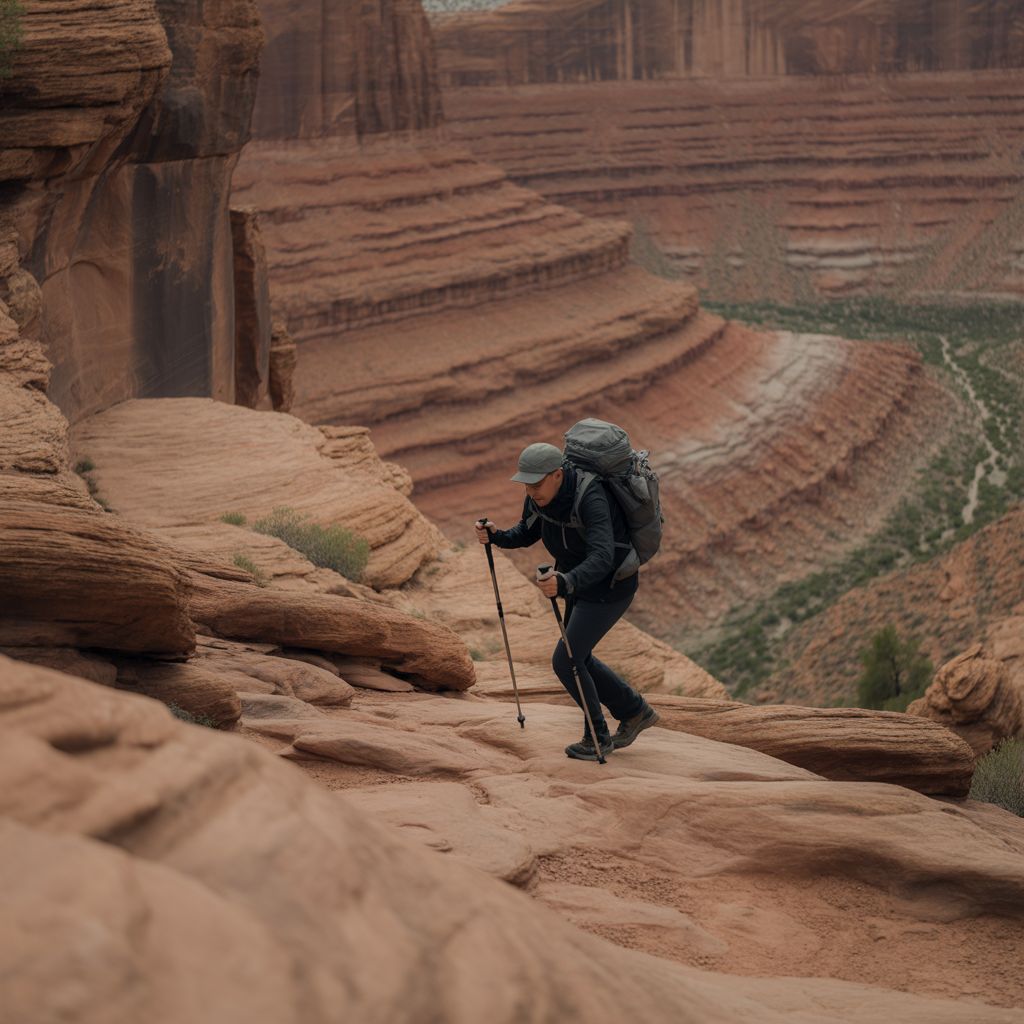
Trekking poles, which are adjustable walking sticks that hikers use for balance and support, are not required for backpacking, but most backpackers who try them on longer trips with a loaded pack find them genuinely useful. A heavier pack shifts your center of gravity and increases the impact on your lower body, particularly on descents. Poles give you two additional points of contact with the ground, which improves balance on uneven terrain and slippery surfaces. They are especially helpful on steep downhill sections where a loaded pack can feel like it is pulling you forward. Many lightweight backpacking tents also use trekking poles as their support structure, which eliminates the need to carry separate tent poles and saves meaningful weight. If you already own hiking poles from your day hiking kit, bring them on your first overnight. If you do not own them yet, it is a reasonable purchase to consider after your first trip once you know whether the terrain and distances you prefer will make them worth carrying.
How heavy should a beginner backpacking pack be?
A good general guideline for beginners is to keep your loaded pack weight at or below 25 to 30 percent of your body weight. For a 160-pound person, that is roughly 40 to 48 pounds maximum, though lighter is always better. Many experienced backpackers target a base weight, which is all gear excluding food and water, of under 20 pounds. As a beginner, you will likely carry more than that because you have not yet optimized your kit for weight. That is completely fine for a short first trip. The most effective way to reduce pack weight is to focus on the Big Three: shelter, sleeping bag, and sleeping pad. Lightweight versions of these three items create the biggest weight savings of any gear upgrades you can make. Do not obsess over cutting weight on your first trip. Focus on learning the system and having a safe, enjoyable experience. Weight optimization comes naturally after a few trips when you know exactly what you use and what stays in the pack untouched.
The Bottom Line
How to transition from day hiking to backpacking is ultimately about filling three gaps: shelter, sleep, and water treatment. Everything else builds on skills and gear you likely already have. You do not need to buy everything at once. Start with a shakedown trip using borrowed or rented gear if possible. Many outdoor retailers offer gear rentals specifically for this reason, which lets you test a sleep system and pack before committing to a purchase.
If you are ready to start planning, choose a well-documented trail with established sites, reliable water, and a short enough distance that the first night feels like an adventure rather than a survival situation. Use AllTrails or your local park service website to read recent trip reports before you go. The hikers who love backpacking most are not the ones who went hardest on trip one. They are the ones who went smart, had a solid first night, and came home already planning trip two. You are closer to that experience than you think.
Disclosure: As an Amazon Associate, we earn from qualifying purchases. This does not affect our editorial recommendations.