
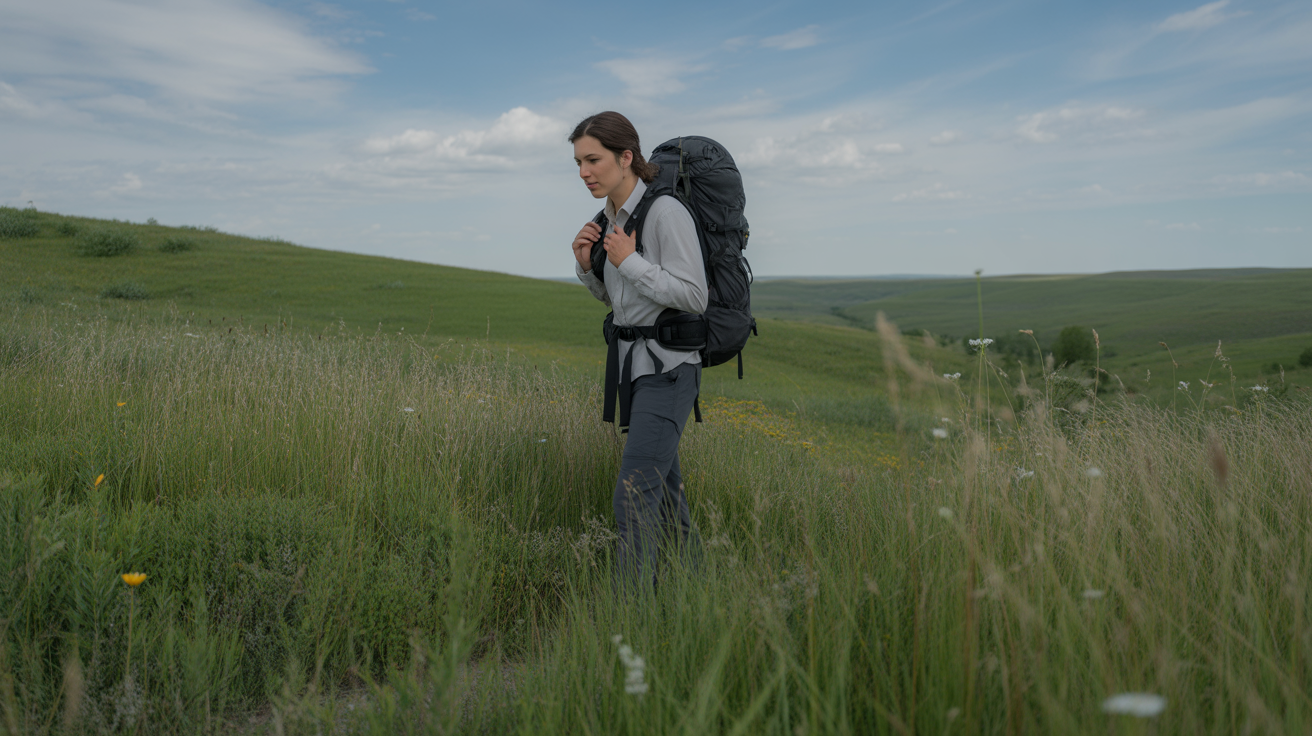
How to pack light for a day hike is one of those things that sounds simple until your pack weighs more than it should and you cannot figure out why. If you have ever finished a hike with your shoulders aching and half your pack untouched, you are not alone. Over-packing is one of the most common habits among hikers at every level, and it is almost always driven by the same thing: uncertainty about what is truly essential.
The good news is that packing smarter is not about owning less gear or being tougher. It is about having a clear decision framework so you stop second-guessing and start choosing deliberately. This guide will walk you through exactly that: a practical, category-by-category system for deciding what earns a spot in your pack and what stays on the shelf. By the end, you will know how to pack light for a day hike without feeling like you are leaving safety or comfort behind.
What to Look For
Start With the Right Pack Size
The container shapes the contents. One of the biggest reasons hikers over-pack is that they grab a bag that is too large for the outing. For most day hikes, a hiking daypack in the 20 to 30 liter range is the right tool for the job. When you use a 50-liter bag for a six-mile trail, empty space becomes an invitation to fill it. Choose a pack sized for the day, not for a weekend, and the pack itself will do a lot of the editing for you. If your pack has an internal sleeve or pocket designed for a hydration pack, that is one less water bottle slot taking up room inside the main compartment.
The Four-Category Sorting System
Before you pack a single item, sort everything you are considering into four categories: Safety, Hydration and Fuel, Comfort, and Optional. Safety items go in every time, no debate. Hydration and fuel items are non-negotiable on any trail. Comfort items earn their place based on the specific hike, weather, and your personal needs. Optional items get left behind unless the pack still has room and weight to spare after everything else is in.
This system forces you to justify every item before it enters the pack. The question is not whether you might use something. The question is whether the hike genuinely requires it. A dry bag is essential on a river trail. It is dead weight on a well-groomed prairie path on a clear day.
Hydration: How Much Water Is Enough
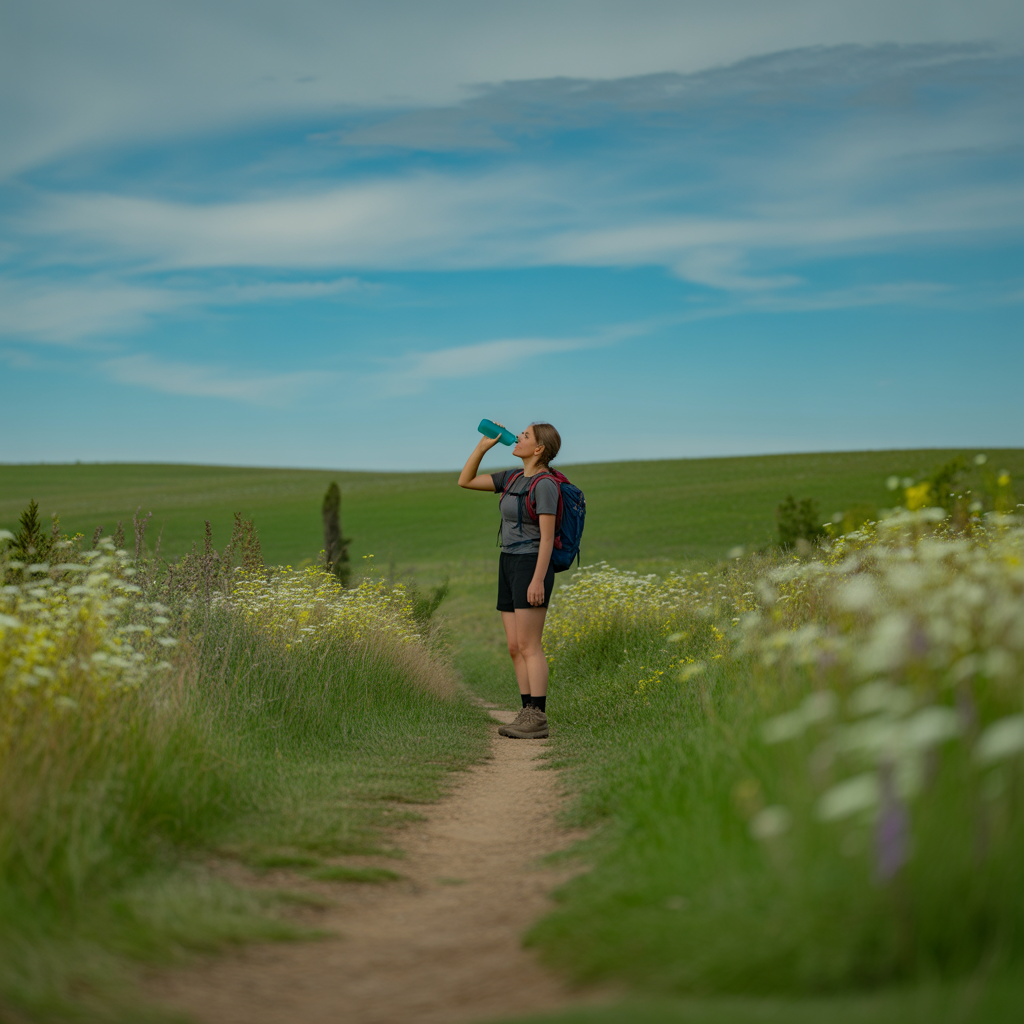
Under-hydration is a real risk on the trail, but carrying six liters of water for a three-hour hike is unnecessary and heavy. A reasonable starting point for most day hikers is half a liter of water per hour of hiking in moderate conditions. A good hiking water bottle in the 32-ounce range covers about two hours comfortably. If the trail has a reliable water source and you carry a portable water filter, you can start with less and resupply on the way. According to the National Park Service, drinking water regularly before you feel thirsty is one of the most effective ways to prevent heat-related illness on the trail.
Clothing: The One-Layer Rule
Most hikers pack two or three layers they never put on. A smarter approach is the one-layer rule: carry one extra layer beyond what you are wearing, chosen based on the expected low temperature for that day. On a mild day, a lightweight merino wool base layer folded into the top of your pack covers most scenarios. If rain is in the forecast, a packable rain jacket replaces the base layer or sits on top of it. You do not need both unless the weather genuinely calls for it. Leave the fleece, the down jacket, and the extra shirt at home unless the conditions or trail length make a real case for them.
The Ten Essentials, Streamlined for Day Hikes
The Ten Essentials framework, developed over decades of backcountry safety guidance and referenced by the REI Expert Advice team, is a useful foundation for day hikers. But on a day hike, several of these categories shrink dramatically. Navigation means your phone with AllTrails downloaded and the route cached offline, plus a screenshot of the trailhead map. Sun protection means sunscreen, sunglasses, and a hiking hat rather than a full UV kit. First aid means a small personal kit with blister care, pain relief, and any personal medications rather than a full trauma bag. Every category gets a day-hike-sized version, not a backpacking-sized version.
What You Can Almost Always Leave Behind
Here is a realistic list of items that most day hikers carry and rarely need: a full-size towel, a headlamp on a hike that ends well before dusk, trekking poles on flat or gently rolling terrain unless you have a specific stability need, a camp knife when a small multi-tool or no tool at all will do, and multiple sets of clothing. The pack-light mindset is not about being unprepared. It is about being honestly prepared for the hike you are actually doing, not the worst-case hike you can imagine. Check the trail conditions, the weather forecast, the distance, and the elevation before you pack. Then let those specific details decide what goes in the bag, not habit or anxiety.
Frequently Asked Questions
How heavy should a day hike pack be?
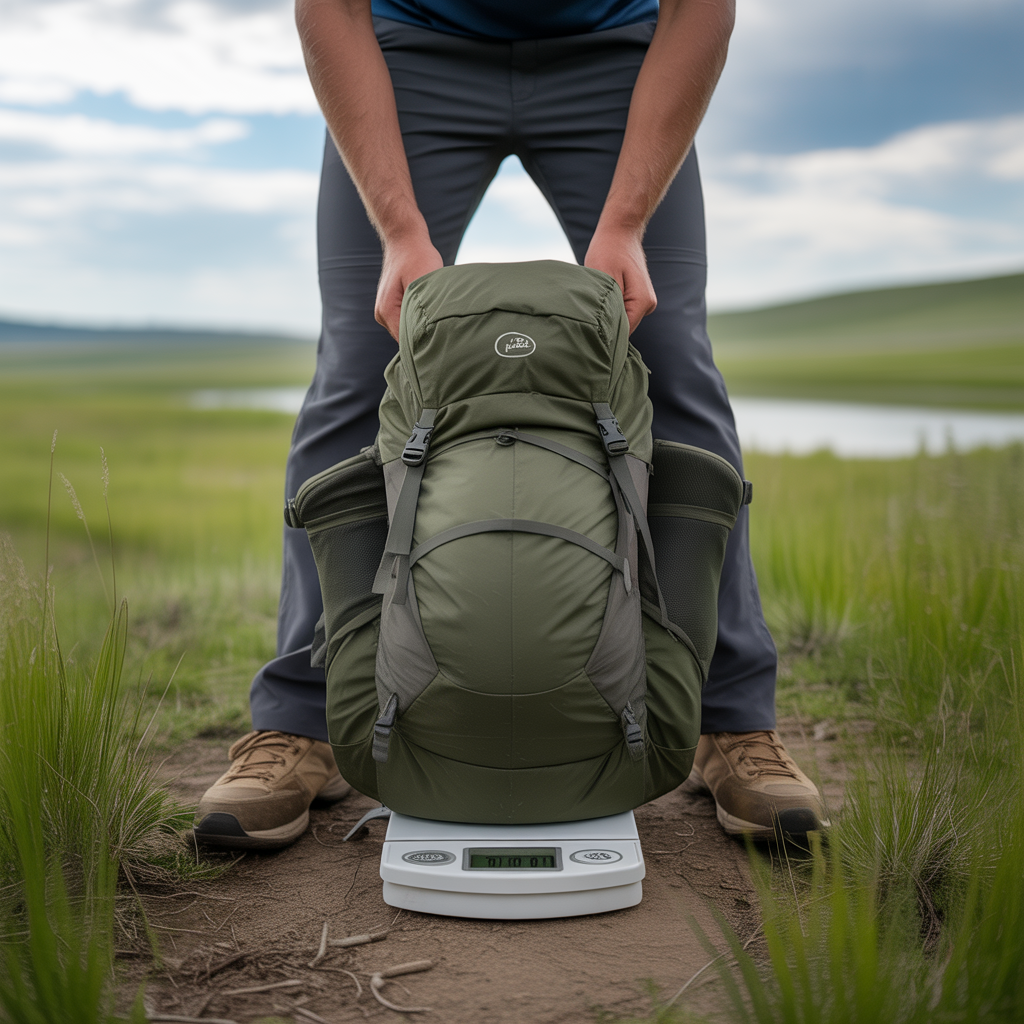
A good target for most day hikers is a loaded pack that weighs no more than ten percent of your body weight. For a 160-pound hiker, that is about sixteen pounds. In practice, most well-edited day packs for a four to six hour hike land between eight and fourteen pounds once water, food, and safety essentials are included. If your pack is consistently heavier than that, it is a signal that something inside belongs in the Nice to Have category and not the Need to Have category. Weigh your packed bag before you leave home at least once. Many hikers are genuinely surprised by the number, and that surprise alone is enough to prompt better editing. The goal is not the lightest possible pack but a pack that does not leave you fatigued before the trail does.
What food should I bring on a day hike?
For most day hikes, food planning is simple: bring one snack per hour of hiking plus a slightly larger item for a mid-hike rest if the route is over three hours. Calorie-dense, lightweight options are the sweet spot. Think nuts, nut butter packets, jerky, dried fruit, or energy bars. These pack small, do not spoil in heat, and deliver sustained energy without the weight of a full meal. Avoid heavy or wet foods like sandwiches with condiments, canned items, or anything that needs refrigeration. If your hike is under three hours, a single substantial snack and a good water supply is genuinely all most people need. The urge to pack a full picnic is real, but it adds surprising weight and rarely reflects the actual demands of the outing.
Do I really need trekking poles for a day hike?
Not always. Hiking poles add genuine value on steep descents, loose terrain where small rocks or gravel shift underfoot, trails with embedded roots or protruding rocks that require careful foot placement, and river crossings where balance is a real challenge. On flat or gently rolling trails, well-maintained paths, or routes under five miles, most hikers do not need them and the weight and bulk of carrying poles outweighs the occasional benefit. If you are new to poles or unsure, leave them home on your next moderate hike and pay attention to whether you missed them. That honest experiment is more useful than any general rule. If you hike frequently on uneven terrain or have stability concerns, they become much easier to justify as a regular pack item.
Is a hydration pack better than a water bottle for day hiking?
It depends on the hike and your personal preference. A hydration pack with a reservoir allows hands-free sipping through a drinking tube, which encourages more consistent hydration without stopping. That is a real advantage on long or technically demanding trails. A standard water bottle is lighter, easier to clean, easier to share, and simpler to track how much you have consumed. For most day hikes under six miles on moderate terrain, a well-sized water bottle is completely sufficient and eliminates the extra weight and cleaning effort of a reservoir system. If you tend to forget to drink or if you are hiking in hot conditions over longer distances, the hands-free convenience of a hydration pack may be worth the trade-off.
The Bottom Line
Knowing how to pack light for a day hike comes down to one consistent habit: packing for the hike you are actually doing, not the hike you can imagine in your worst moments. Use the four-category sorting system every time you pack. Start with the right-sized bag, give every item a real job to do, and leave the rest on the shelf.
If you are heading out for your first few hikes on well-marked trails under six miles, your pack can be genuinely minimal: water, a snack, a light extra layer, sunscreen, your phone, and a small personal first aid kit. That is it. As trails get longer, more remote, or more technical, the list grows deliberately and with reason.
For hikers who have been over-packing for years, the shift feels uncomfortable at first. That is normal. Try packing light for one familiar trail where you know the conditions well. See what you actually used at the end of the day. That single data point will teach you more about your real needs than any checklist. Light packs make for better days on the trail, and better days on the trail keep you coming back.
Disclosure: As an Amazon Associate, we earn from qualifying purchases. This does not affect our editorial recommendations.