

What is chafing and how do you prevent it on the trail? If you have ever come home from a longer hike with raw, burning skin on your inner thighs, underarms, or anywhere fabric meets skin repeatedly, you already know the answer feels way too personal. Chafing is one of the most common complaints among hikers of all experience levels, and yet it almost never gets talked about before it becomes a problem.
The good news is that chafing is almost entirely preventable once you understand what causes it. This guide breaks down exactly why it happens, which body areas are most vulnerable, and the practical steps you can take before your next hike to make sure raw skin never slows you down again. Whether you are heading out for a quick three-mile loop or a full-day adventure, the information here applies directly to your situation.
What to Look For
What Chafing Actually Is
Chafing is skin damage caused by repeated friction. When skin rubs against skin or fabric rubs against skin over and over for an extended period, the outer layer of skin breaks down. The result is redness, a burning or stinging sensation, and in more severe cases, raw or even broken skin. On a short hike of an hour or less, your body can usually tolerate the friction without much damage. On longer hikes, the cumulative effect of thousands of steps adds up fast. Moisture from sweat makes it significantly worse because wet skin has more surface resistance and breaks down more quickly than dry skin.
Where Chafing Happens Most Often on the Trail
The inner thighs are the most commonly affected area for hikers, especially on uphills and longer distances where the legs swing close together with each step. The underarms come in second, particularly when carrying a pack and swinging your arms repeatedly. Other common spots include the waistband line (where pack hip belts or waistbands rub), the bra line for women, the nipples for men on longer days, and the tops of feet where sock edges or boot tongues contact skin. Anywhere that fabric bunches, seams press inward, or two surfaces make repeated contact is a candidate for chafing.
The Four Main Causes of Trail Chafing
Understanding the root causes makes prevention much more straightforward. First is friction itself: repetitive motion on any skin-to-skin or fabric-to-skin contact point. Second is moisture: sweat softens skin and dramatically increases the damage that friction causes. Third is fabric choice: rough seams, non-wicking cotton, and poorly fitting clothing all accelerate chafing. Fourth is distance and duration: a friction point that causes no problem at two miles can become a serious issue at eight miles simply because of volume of repetition. Heat amplifies all four of these factors, which is why hot-weather hikes and desert terrain tend to produce the worst chafing experiences.
How to Prevent Chafing Before You Hit the Trail
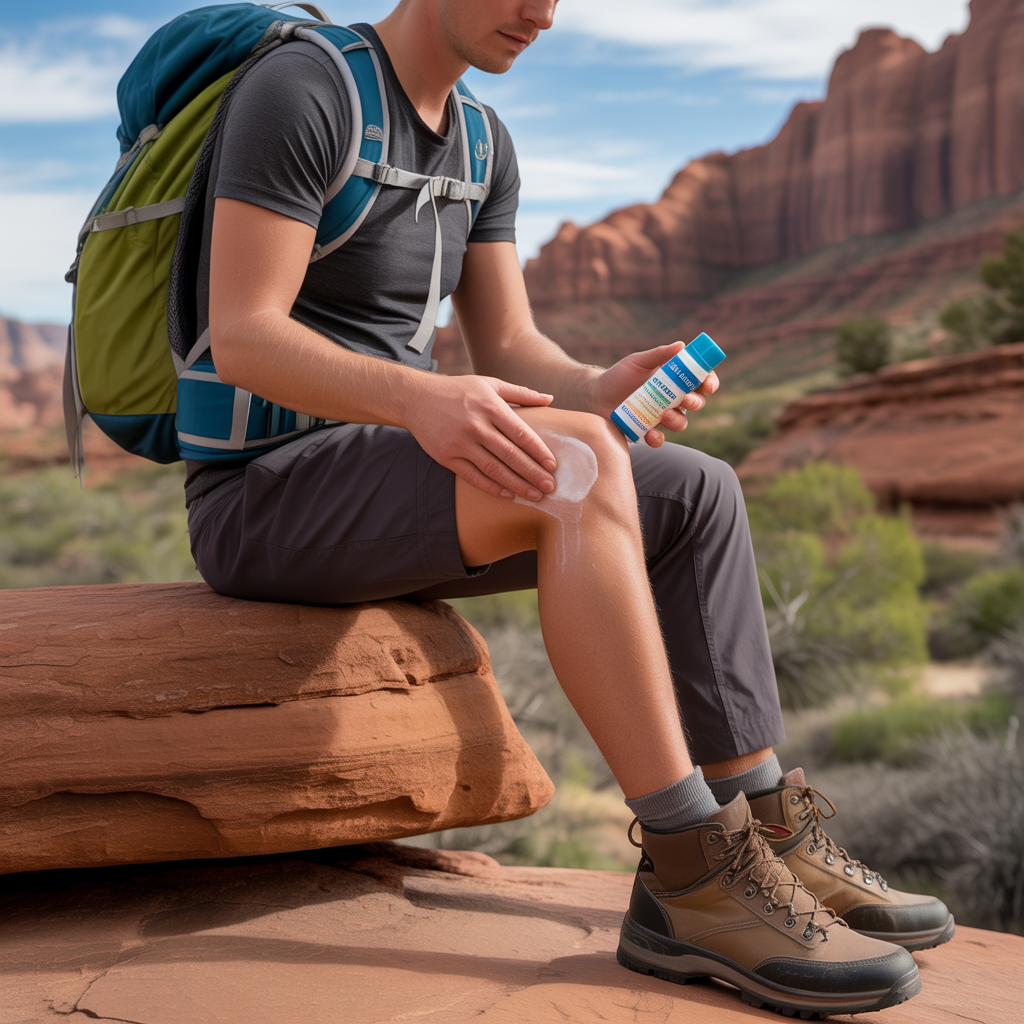
Preparation before you leave the trailhead is your most powerful tool. Apply an anti-chafe stick or balm to every known friction point before you start walking. These products create a protective barrier between surfaces and dramatically reduce friction damage. Pay special attention to your inner thighs, underarms, and anywhere waistbands or straps sit. Reapply on longer hikes during any rest break, especially if you are sweating heavily.
Your clothing choices matter just as much as any product you apply. Moisture-wicking fabrics pull sweat away from your skin and keep it drier throughout your hike. Purpose-built hiking underwear for women and hiking underwear for men is specifically designed with flat or minimal seams, stretch panels that move with your body, and fast-drying materials that do not hold moisture against the skin the way cotton does. This single upgrade eliminates a large portion of thigh and hip chafing for most hikers. Similarly, hiking compression socks reduce the friction and slipping that causes ankle and lower leg chafing while also improving circulation on longer days.
What to Do If Chafing Starts Mid-Hike
If you feel the early warning signs of chafing while you are still on the trail, do not wait and hope it resolves. Stop at your next rest point and address it immediately. Apply more anti-chafe balm if you have it. If you have a hiking blister kit in your pack, the same protective bandaging principles that apply to blisters work well for chafed skin: cover the raw area with a protective pad or hydrocolloid bandage to prevent further damage for the rest of your hike. The earlier you intervene, the less recovery time you will need after the trail.
Long-Term Habits That Keep Chafing Away
Beyond any single product or preparation routine, consistent habits make the biggest difference. Always wear moisture-wicking layers and purpose-built hiking clothing rather than cotton. Do a quick skin check at the trailhead mirror or in your car before heading out to confirm your anti-chafe application covers every known problem area. On any hike over four miles, pack a small anti-chafe product in an accessible pocket for mid-hike reapplication. Treating minor skin issues early on the trail prevents them from becoming larger problems that cut trips short. Building these small habits into your pre-hike routine means chafing becomes a non-issue rather than an afterthought.
Frequently Asked Questions
Why do my thighs chafe so badly on longer hikes but not shorter ones?
The answer comes down to volume of repetition. On a short hike of one to two miles, your inner thighs may rub together hundreds of times, which your skin can handle without visible damage. On a six- or eight-mile hike, that same contact point is repeating thousands of times over several hours. Sweat accumulates as the hike progresses, and wet skin breaks down under friction much faster than dry skin. The combination of duration, heat, and moisture means a point that caused zero discomfort at mile two can be genuinely raw by mile six. This is why prevention has to happen before you start, not after the burning begins. Applying an anti-chafe barrier product before your hike, wearing moisture-wicking hiking-specific clothing, and considering a mid-hike reapplication on any hike over four miles will address all three underlying factors. What is chafing and how do you prevent it on the trail comes down to this: reduce friction, control moisture, and prepare in advance rather than reacting after damage has occurred.
Does wearing tight or loose clothing cause more chafing?
Both extremes can cause problems, but for different reasons. Very loose clothing, especially cotton, tends to bunch and fold as you move, creating pressure points and edge-of-fabric friction against skin. Very tight clothing can create constant compressive friction at seams and waistbands. The ideal fit for hiking is a snug-but-not-compressive fit with flat or minimal seams, made from moisture-wicking synthetic or merino wool fabric. Purpose-built hiking clothing is cut and constructed to move with the body during a walking stride, which reduces the fabric bunching and shifting that causes chafing. If you are experiencing underarm chafing specifically, check whether your pack straps are adjusted correctly and whether the fit of your shirt allows full arm swing without the sleeve edge dragging across your armpit repeatedly. Small adjustments to clothing fit and layering can eliminate friction points before they become a problem. What is chafing and how do you prevent it on the trail often starts with an honest assessment of your current clothing choices.
Can chafing cause any serious skin damage?
In most hiking scenarios, chafing causes discomfort and surface skin damage that heals within a few days with proper care. However, if chafing progresses to broken skin, the open area becomes vulnerable to infection, particularly in warm and sweaty conditions where bacteria are present. Signs that chafed skin has become more serious include significant swelling, warmth beyond the immediate area, discharge, or skin that does not begin improving within two to three days. For the vast majority of hikers, chafing is a painful nuisance rather than a medical concern, but keeping the affected area clean and protected after a hike matters. Rinse the area gently with clean water, apply a gentle moisturizing balm, and keep it covered if possible. Carrying a hiking first aid kit with basic skin protection supplies on any hike beyond a short day trip ensures you are prepared to handle minor skin issues before they escalate. Addressing chafing early prevents the escalation from minor irritation to a genuine wound.
What is the best fabric to wear to avoid chafing on a hike?
Moisture-wicking synthetics (polyester and nylon blends) and merino wool are the two best fabric categories for chafe prevention on the trail. Both pull sweat away from skin and dry quickly, keeping your skin in a drier state throughout your hike. Cotton is the worst choice because it absorbs moisture and holds it against your skin, dramatically increasing friction damage over time. Merino wool has the additional benefit of natural odor resistance and temperature regulation, making it a strong choice for base layers on all-day hikes. A quality merino wool base layer worn against the skin can significantly reduce chafing on your torso and upper body. For the lower body, look for hiking-specific pants or leggings that are cut for a walking stride with four-way stretch fabric and flat inner-leg seams. The fewer the seams, and the flatter those seams lie, the less surface area there is to generate friction with repeated movement.

The Bottom Line
What is chafing and how do you prevent it on the trail is ultimately a question with a very practical answer: friction plus moisture plus time equals skin damage, and all three variables are within your control. You do not need to overhaul your entire gear setup to solve this problem. Start with an anti-chafe balm applied before every hike over two hours. Swap cotton underwear and base layers for moisture-wicking, hiking-specific versions with flat seams. Carry a blister and skin protection kit in your pack for mid-hike emergencies. These three steps alone will eliminate chafing for the majority of hikers on most trail days.
If you are prone to inner-thigh chafing specifically, prioritize purpose-built hiking underwear and consider hiking leggings or pants with a longer inseam. If underarm chafing is your main issue, focus on pack strap adjustment and anti-chafe application at the armpit and upper arm. For hikers tackling longer mileage or multi-hour days in warm conditions, plan a reapplication stop at the halfway point. What is chafing and how do you prevent it on the trail has a short answer: prepare before you walk, address it immediately when you feel it starting, and choose the right fabrics and products for the distance you are covering. Your skin will thank you by mile eight.
Disclosure: As an Amazon Associate, we earn from qualifying purchases. This does not affect our editorial recommendations.