
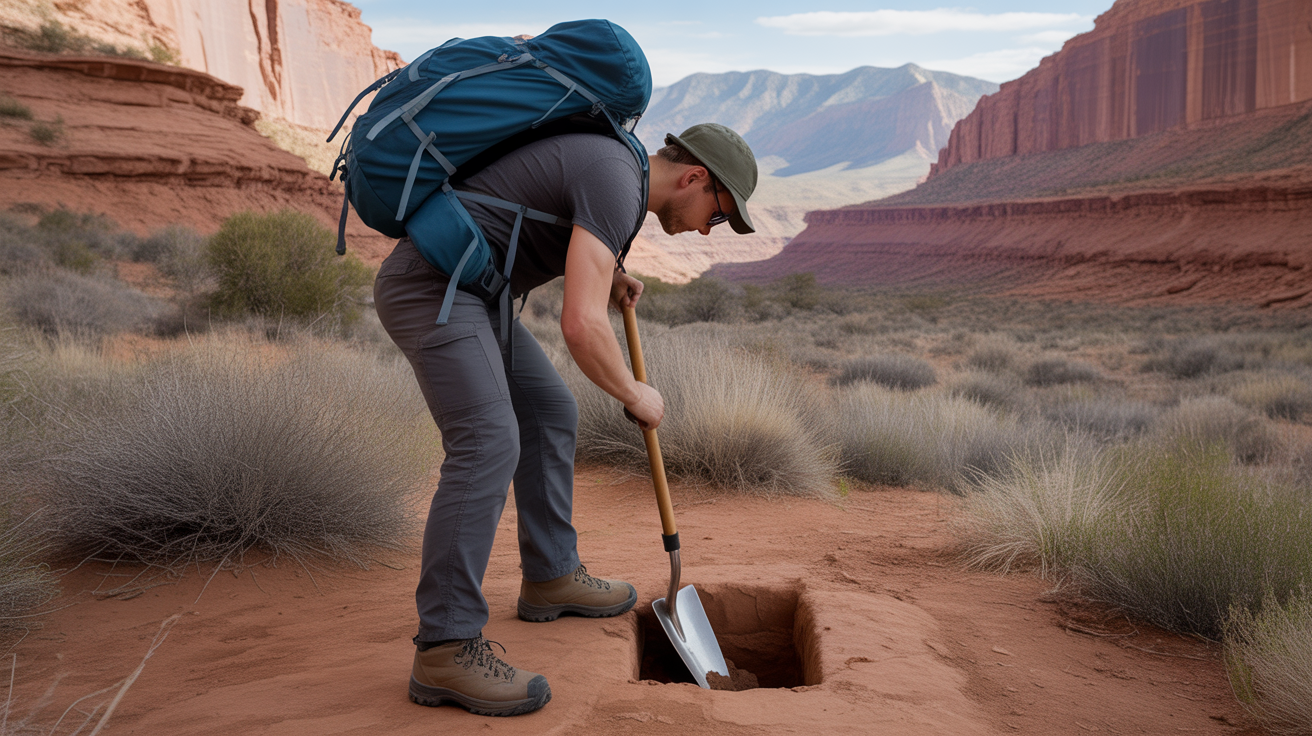
If you are planning your first overnight backpacking trip, one piece of gear nobody talks about until you actually need it is a trowel. When nature calls on the trail, you need to dig a proper cathole – a 6-8 inch deep hole for human waste – and you cannot do that with a stick or your boot heel. A dedicated backpacking trowel makes this Leave No Trace essential task quick, sanitary, and respectful to the land and other hikers.
Choosing the best trowel for backpacking means balancing weight, durability, and functionality. You want something light enough that you will not notice it in your pack, strong enough to handle rocky soil, and simple enough to use when you are tired and just want to get back to camp. This guide walks you through exactly what to look for, compares top-rated ultralight options, and gives you the confidence to handle backcountry bathroom situations like a pro.
What to Look For
Weight and Packability
Every ounce counts when you are carrying everything on your back for miles. The best trowel for backpacking typically weighs between 0.5 and 2 ounces. Aluminum models offer the best balance of strength and weight, while titanium options are even lighter but cost more. Look for a trowel that fits easily into an external pocket or clips to your pack with a carabiner – you do not want to dig through your entire bag when you need it urgently. Some models include a small carrying pouch or paracord loop for attachment.
Blade Shape and Digging Performance
The blade design directly affects how easily you can dig a proper cathole. Pointed or tapered blades cut into hard, compacted soil more easily than flat scoops. Serrated edges help saw through roots and rocky ground. A blade length of 6-8 inches gives you enough digging surface without adding unnecessary weight. The blade should be slightly curved or angled to help you scoop dirt efficiently. Flat trowels work fine in soft forest soil but struggle in desert hardpan or alpine terrain.
Handle Length and Grip Comfort
A longer handle provides better leverage and keeps your hands farther from the digging area, which matters more than you might think. Handles between 6-10 inches work well for most backpackers. Some ultralight models sacrifice handle length to save weight, but this can make digging more awkward. Look for handles with textured grips or paracord wrapping – smooth aluminum gets slippery when your hands are sweaty or dirty. Ergonomic designs reduce hand fatigue if you encounter tough soil conditions.
Durability and Material Construction
Your trowel needs to survive being jammed into rocks, roots, and hard ground repeatedly. Aluminum alloy is the most common material because it resists bending and corrosion while staying lightweight. Titanium is stronger and lighter but costs significantly more. Avoid plastic trowels for backpacking – they work for car camping but often crack or break under trail conditions. Check product reviews for mentions of bending or breaking, especially if you plan to hike in rocky or desert environments where soil is harder.
Multi-Tool Features
Some backpacking trowels include additional functions like bottle openers, measuring marks, hex wrenches, or serrated edges that double as saws. These extras can reduce the number of items you need to pack. However, multi-tool features add weight and complexity. If you already carry a multi-tool or knife, a simple dedicated trowel often performs better at its primary job. Decide whether you value versatility or lightweight simplicity more.
Price and Value Considerations
Backpacking trowels range from budget models under 10 dollars to premium titanium options over 25 dollars. Most backpackers find excellent performance in the 13-20 dollar range. Higher price usually reflects lighter weight, more durable materials, or better design. However, expensive does not always mean better – some budget aluminum trowels perform just as well as pricier alternatives. Consider how often you will backpack and what terrain you will encounter when deciding how much to invest.
Our Top Picks
1. Ultralight Backpacking Trowel, 0.48 oz (13.5g) Blue
Best for ultralight backpackers who prioritize weight savings without sacrificing digging performance

At just 0.48 ounces, this trowel disappears in your pack while still providing enough digging power for most trail conditions. The aluminum construction resists bending even in rocky soil, and the pointed blade design cuts into compacted ground more easily than flat alternatives. The handle length provides adequate leverage without adding unnecessary bulk.
With over 1,600 reviews and a 4.9-star rating, this model has proven itself across thousands of backcountry trips. Backpackers consistently praise its balance of weight and functionality. The simple design means there is nothing to break or fail – just a solid piece of shaped aluminum that does its job trip after trip. The blue anodized finish makes it easy to spot if you set it down while digging.
The main limitation is the shorter handle compared to some alternatives, which means your hands stay closer to the digging area. This matters less if you are digging in soft forest soil but becomes more noticeable in harder ground. The compact size also means each scoop moves less dirt, so you will need a few more strokes to reach proper cathole depth. However, for most backpackers, the weight savings more than justify these minor trade-offs.
This trowel earned Climate Pledge Friendly certification, indicating Amazon verified one or more sustainability certifications. For first-time overnight backpackers, this model offers confidence that you have a reliable tool without overthinking the decision. It performs well in varied terrain, weighs almost nothing, and costs less than a trail lunch.
Pros
- Weighs only 0.48 ounces – barely noticeable in your pack
- Exceptionally high rating of 4.9 stars from over 1,600 verified users
- Pointed blade design cuts through compacted soil effectively
- Durable aluminum construction resists bending
- Climate Pledge Friendly certified product
Cons
- Shorter handle requires hands to be closer to digging area
- Smaller blade size means more scoops needed per hole
- No additional multi-tool features included
2. NACETURE Ultralight Backpacking Trowel Aluminum Shovel Small Potty Multitool with Longer Handle Design Essential for Hiking, Camping and Survival Bags(Black 1 Pack)
Best for backpackers who want a longer handle for better leverage and more comfortable digging in varied terrain

This trowel stands out for its extended handle design, which gives you significantly better leverage when digging in hard or rocky soil. The extra length keeps your hands farther from the work area and reduces the awkward hand positioning that shorter trowels require. With over 1,300 reviews and Amazon Choice recognition, this model has become a go-to option for backpackers who prioritize digging comfort.
The aluminum construction strikes a good balance between durability and weight. While not as ultralight as the top pick, the weight difference is minimal and most backpackers find the improved handling worth the trade-off. The blade features a slightly curved profile that helps scoop dirt efficiently once you have broken through the surface. The black anodized finish resists scratches and provides a non-reflective surface.
The product listing mentions multi-tool features that some reviewers have found useful, though exact specifications vary. The longer handle design makes this trowel particularly effective in desert or alpine environments where soil is more compacted. Over 400 purchases in the past month indicate strong ongoing popularity with the backpacking community. A 7 percent coupon reduces the price further, making this an excellent value option.
The main consideration is slightly more weight compared to minimalist alternatives, though specifications are not provided in the product data. For backpackers doing their first overnight trip, the improved leverage and comfortable grip make this trowel easier to use correctly, which matters when you are still learning backcountry bathroom protocols.
Pros
- Longer handle design provides better leverage and more comfortable grip
- Amazon Choice designation indicates strong customer satisfaction
- Over 1,300 verified reviews with 4.6-star rating
- Curved blade profile improves scooping efficiency
- 7 percent coupon available for additional savings
Cons
- Slightly heavier than ultralight minimalist options
- Multi-tool features vary and are not fully detailed
- Black finish may absorb heat in sunny conditions
3. PACT Outdoors Backpacking Shovel: Lightweight Aluminum Trowel, Essential for Backpacking, Camping, Hiking – Award Winning Backpacking Trowel
Best for backpackers who want a premium design with award recognition and proven performance

This award-winning trowel represents a premium approach to backcountry sanitation gear. The aluminum construction provides durability without excessive weight, and the design has earned industry recognition for effectiveness. With Climate Pledge Friendly certification, this model appeals to environmentally conscious backpackers who want their gear choices to reflect Leave No Trace values beyond just waste disposal.
The 4.6-star rating from 101 reviews indicates solid performance from early adopters and recent users. As a newer product with fewer total reviews than established models, this trowel still demonstrates strong satisfaction among those who have purchased it. Recent popularity shows in the 100-plus purchases last month, suggesting growing recognition in the backpacking community. The award designation typically reflects innovation in design, materials, or functionality, though specific award details are not provided in the product listing.
At 20 dollars, this trowel sits at the higher end of aluminum options but below titanium alternatives. The price reflects the premium design and award status rather than exotic materials. For backpackers who value well-designed gear and want confidence in their equipment choices, the additional cost may feel worthwhile. The aluminum material means this trowel should handle rocky terrain and repeated use without bending or breaking.
As a newer product, this trowel has a smaller review history compared to models that have been on the market longer. However, the award recognition and strong rating from existing users suggest this is a reliable choice for first-time overnight backpackers who want to invest in quality gear from the start.
Pros
- Award-winning design recognized for excellence
- Climate Pledge Friendly certified for sustainability
- Strong 4.6-star rating from verified purchasers
- Lightweight aluminum construction for durability
- Growing popularity with 100-plus recent purchases
Cons
- Higher price point than budget alternatives
- Newer product with fewer total reviews than established models
- Award details not specified in product listing
View PACT Outdoors Backpacking Shovel: Lightweight Aluminum Trowel on Amazon →
4. Vargo Titanium Dig Dig Tool | Compact Backpacking Trowel Shovel for Camping & Outdoor Activities | Light Weight Essential Multi Tool Shovel & Tent Stake for Hikers & Outdoor Survivors
Best for experienced backpackers who want titanium durability and multi-tool functionality for long-distance trips
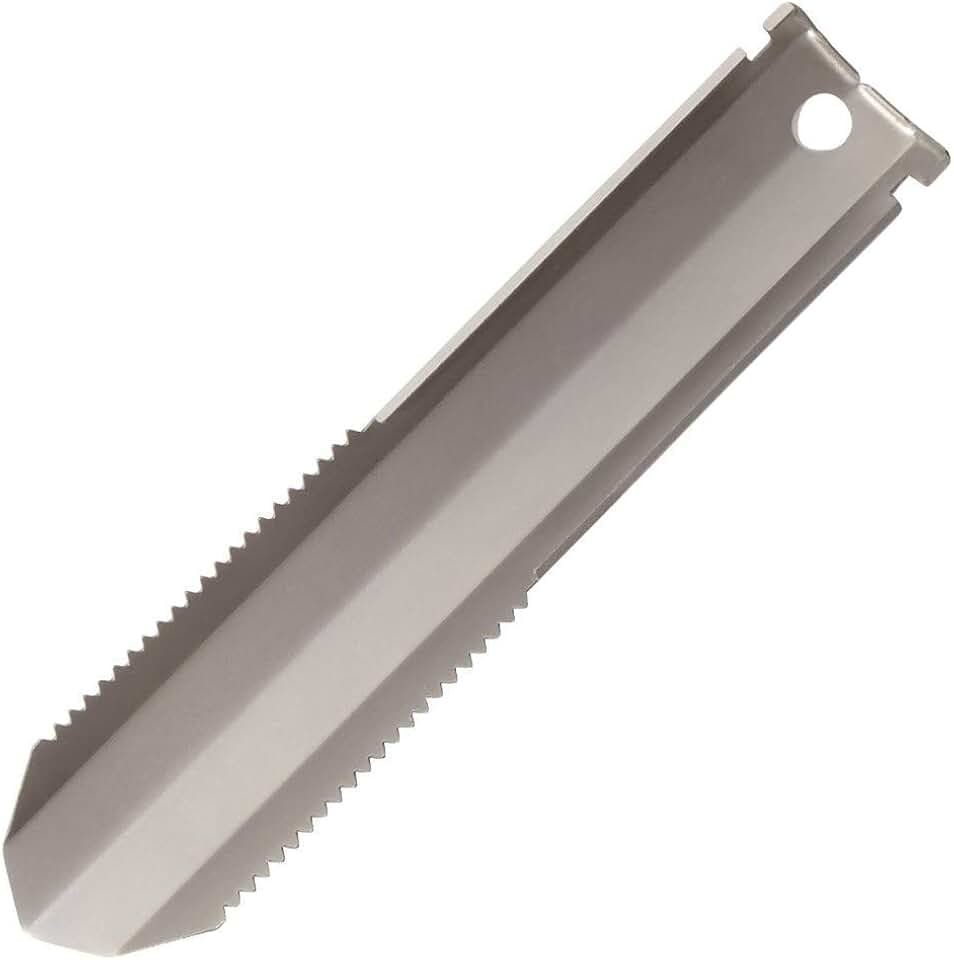
Titanium construction sets this trowel apart from aluminum alternatives, offering superior strength-to-weight ratio and lifetime durability. With 857 reviews and a 4.7-star rating, this model has proven itself across years of backcountry use. The Vargo brand is well-respected among serious backpackers for producing reliable ultralight gear that lasts through multiple seasons.
The multi-tool design includes tent stake functionality, which reduces the total weight you need to carry by eliminating a separate item. This dual-purpose approach appeals to gram-counting backpackers who scrutinize every piece of gear. The compact size fits easily into pack pockets while the titanium material resists corrosion even in wet conditions. Climate Pledge Friendly certification indicates verified sustainability credentials.
The main consideration is price – at 25 dollars, this is the most expensive option in this comparison. Titanium costs significantly more than aluminum, and you are also paying for the Vargo brand reputation and multi-tool features. For backpackers doing their first overnight trip, the performance difference may not justify the additional cost compared to reliable aluminum alternatives. However, for those planning to backpack regularly or tackle challenging terrain, the investment in titanium durability makes more sense.
The tent stake functionality adds value if you need to replace worn stakes or want to reduce pack weight. However, if you already have reliable stakes, this feature becomes less useful. The compact design means a smaller blade surface, which can require more digging time in hard soil compared to larger trowels.
Pros
- Titanium construction offers superior durability and corrosion resistance
- Dual-purpose design functions as tent stake to reduce total gear count
- Strong 4.7-star rating from 857 verified users indicates proven reliability
- Climate Pledge Friendly certified product
- Vargo brand reputation for quality ultralight gear
Cons
- Highest price point at nearly 25 dollars
- Compact size means smaller blade and more digging strokes needed
- Tent stake feature only valuable if you need replacement stakes
How These Compare
Choosing the best trowel for backpacking depends on what you value most – ultralight weight, comfortable handling, premium materials, or multi-tool versatility. The 0.48-ounce ultralight aluminum trowel earns the top spot for most backpackers because it delivers excellent digging performance at barely noticeable weight. With a 4.9-star rating from over 1,600 users and Climate Pledge Friendly certification, this model offers confidence without overthinking the decision. The pointed blade cuts through compacted soil effectively, and at under 18 dollars, the price feels reasonable for a piece of gear you will use on every overnight trip.
The NACETURE trowel with longer handle design takes second place for backpackers who prioritize digging comfort and leverage. The extended handle makes a noticeable difference when working with hard or rocky soil, and the Amazon Choice designation reflects strong customer satisfaction. At 14 dollars with an available coupon, this model costs less than the top pick while offering a more comfortable grip. However, it weighs slightly more, so ultralight purists may prefer the minimalist top choice.
PACT Outdoors brings award-winning design to third place, appealing to backpackers who want premium gear from the start. The 20-dollar price reflects the award status and Climate Pledge Friendly certification. With 101 reviews and growing popularity, this trowel represents a solid middle-ground option. The Vargo titanium model rounds out the recommendations for experienced backpackers who want maximum durability and multi-tool functionality. The 25-dollar price and tent stake feature make more sense for regular backpackers than first-timers.
For your first overnight trip, start with either the ultralight top pick or the NACETURE longer handle model. Both perform reliably across varied terrain without requiring you to spend premium prices. As you gain experience and understand your preferences – whether you prioritize weight savings, handle comfort, or gear longevity – you can upgrade if needed. However, most backpackers find these aluminum options serve them well for years of trips without needing replacement.
Frequently Asked Questions
How deep should I dig a cathole when backpacking?
A proper cathole should be 6 to 8 inches deep and 4 to 6 inches in diameter. This depth places waste in the active soil layer where decomposition happens fastest, typically within several months depending on climate and soil conditions. Digging too shallow leaves waste exposed to animals or weather, while digging deeper moves it below the biologically active zone where breakdown slows significantly.
According to Leave No Trace principles, cathole placement matters as much as depth. Dig at least 200 feet from water sources, trails, and campsites. Choose a spot with organic soil rather than sand or gravel, as richer soil contains more microorganisms to break down waste. After use, fill the hole completely and disguise the site with natural materials. Pack out toilet paper in a sealed bag, or if local regulations allow, burn it completely in the cathole before filling. Your backpacking trowel makes reaching proper depth quick and straightforward, ensuring you follow Leave No Trace guidelines correctly.
Can I use a stick instead of carrying a trowel backpacking?
While you can attempt to dig with a stick or rock, these improvised tools rarely allow you to reach the required 6 to 8-inch depth, especially in compacted or rocky soil. Sticks break easily, rocks are awkward to grip and control, and both methods take significantly longer than using a proper trowel. The frustration of struggling to dig a proper cathole with inadequate tools often leads to shallow holes that do not meet Leave No Trace standards.
A dedicated backpacking trowel weighs less than an ounce and takes up minimal space in your pack. The performance difference is dramatic – what might take 10 minutes of awkward scraping with a stick takes 2 minutes with a trowel. In rocky, rooty, or desert soil conditions, improvised tools often fail completely, leaving you with an incomplete hole and a sanitation problem. For the minimal weight and cost, carrying a real trowel ensures you can dig proper catholes in any terrain, making your backcountry bathroom experience quicker and more sanitary while protecting the environment for other hikers.
What is the best material for a backpacking trowel?
Aluminum offers the best balance of weight, durability, and cost for most backpackers. Aluminum trowels resist bending in rocky soil, weigh between 0.5 and 2 ounces, and typically cost 13 to 20 dollars. The material does not rust or corrode, even after years of use in wet conditions. Most aluminum backpacking trowels feature anodized finishes that protect against scratches and provide better grip than bare metal.
Titanium provides superior strength and even lighter weight than aluminum, but costs significantly more – usually 20 to 30 dollars. For regular backpackers who will use their trowel dozens of times per year, titanium durability justifies the investment. However, first-time overnight backpackers often find aluminum performs perfectly well without the premium price. Avoid plastic trowels for serious backpacking, as they crack or break when hitting rocks or roots. Stainless steel is durable but weighs noticeably more than aluminum, making it less popular for weight-conscious backpackers.
Do I need a trowel for overnight backpacking trips?
Yes, a trowel is essential gear for any overnight backpacking trip where you will not have access to established bathroom facilities. Proper human waste disposal is a core Leave No Trace principle, and you cannot dig adequate catholes without a real digging tool. Most backcountry areas require you to bury waste at least 6 inches deep, which is virtually impossible to achieve with improvised tools like sticks or rocks.
Some backpackers carry a lightweight trowel even on long day hikes, as emergencies can happen and trails do not always have facilities at convenient intervals. For overnight trips, the trowel is non-negotiable gear similar to water treatment, navigation tools, and shelter. At less than an ounce and typically under 20 dollars, a backpacking trowel represents minimal investment for critical functionality. Pack it in an accessible location so you do not need to dig through your entire bag when nature calls urgently.
How do I clean a backpacking trowel after use?
Immediately after digging and filling a cathole, use dirt or leaves to wipe off any visible soil from your trowel. When you reach camp or a water source, scrub the trowel with a bit of biodegradable soap and water, then rinse thoroughly. Let it air dry before packing it away. Some backpackers carry their trowel in a small stuff sack or plastic bag to keep it separate from clean gear until they can wash it properly.
At home after your trip, wash the trowel with hot soapy water and consider using rubbing alcohol or a diluted bleach solution for additional sanitization if desired. Aluminum and titanium trowels resist corrosion, so water exposure during cleaning will not damage them. Dry completely before storing to prevent any residual moisture issues. Keep your trowel with your backpacking gear rather than with kitchen or food items, even after thorough cleaning, to maintain clear separation between outdoor sanitation tools and household items.
The Bottom Line
The best trowel for backpacking combines ultralight weight with reliable digging performance, ensuring you can follow Leave No Trace principles without carrying unnecessary bulk. For most first-time overnight backpackers, the 0.48-ounce ultralight aluminum trowel offers the ideal balance – it weighs almost nothing, handles varied terrain effectively, and costs less than 18 dollars. The exceptional 4.9-star rating from over 1,600 users provides confidence that this tool will perform when you need it.
If you prefer more comfortable handling and better leverage, especially if you expect to encounter rocky or compacted soil, the NACETURE trowel with longer handle design makes digging easier without significant weight penalty. At 14 dollars with an available coupon, this option costs less while providing improved ergonomics. Backpackers planning regular trips or tackling challenging terrain should consider the PACT Outdoors award-winning model or Vargo titanium option for premium durability, though these higher-priced choices make more sense after you have gained experience and understand your preferences.
Regardless of which model you choose, carrying a dedicated backpacking trowel transforms backcountry bathroom situations from awkward uncertainty into quick, sanitary routine. Pair your trowel with biodegradable soap, hand sanitizer, and pack-out bags for toilet paper, and you will handle overnight trips with the same confidence as experienced backpackers. Practice digging a proper 6 to 8-inch cathole in your backyard before your first trip, so you understand the technique and know your trowel works effectively. With the right tool and basic knowledge, this aspect of backpacking becomes straightforward rather than intimidating.
Disclosure: As an Amazon Associate, we earn from qualifying purchases. This does not affect our editorial recommendations.