

If you are excited about hiking but worried your fitness level is not where it needs to be, you are not alone. Many new hikers feel nervous about whether they can handle the trails they want to explore. Some worry they are too out of shape to even begin, or that starting a training program will reveal just how far they have to go. The good news is that you do not need to be an athlete to enjoy hiking, and you do not need expensive gym equipment or complicated training programs to prepare your body for the outdoors.
This guide walks you through a straightforward 8-week training plan designed specifically for beginners. Whether you are preparing for your first real hike or want to feel more confident on longer trails, this approach focuses on building the leg strength, cardiovascular endurance, and core stability that make hiking feel enjoyable instead of exhausting. You will learn exercises you can do at home or at any basic gym, along with realistic timelines and progression strategies that fit into normal life.
What to Look For
Understanding What Hiking Demands From Your Body
Hiking is different from most everyday activities because it combines sustained cardiovascular effort with repetitive lower body work, often while carrying extra weight on uneven terrain. When you walk on flat pavement, your body moves in predictable patterns. On the trail, every step requires your muscles to stabilize your joints as the ground shifts beneath you. Uphill sections demand leg strength similar to climbing stairs for extended periods. Downhill stretches put stress on your knees and require eccentric muscle control, where your muscles lengthen under tension to brake your descent.
Your cardiovascular system also works differently on trails than during typical gym cardio. Hiking often means sustained moderate effort for hours rather than short bursts of high intensity. Your heart rate might stay elevated at 60 to 70 percent of maximum for the duration of your hike, which requires aerobic endurance more than raw speed or power. Understanding these specific demands helps you train effectively rather than just getting generally fit and hoping it translates to the trail.
The Three Pillars of Hiking Fitness
Successful hiking preparation balances three types of fitness: lower body strength, cardiovascular endurance, and core stability. Lower body strength means your quads, glutes, hamstrings, and calves can handle repetitive climbing and descending without fatiguing early or causing knee pain. These muscles do the bulk of the work on any hike. Cardiovascular endurance ensures your heart and lungs can deliver oxygen efficiently during sustained effort, so you are not gasping for air on moderate inclines. Core stability refers to the muscles around your trunk that keep you balanced when the trail gets rocky or when you are carrying a hiking backpack that shifts your center of gravity.
Most beginners focus only on cardio, thinking they just need to build stamina by walking or jogging more. While cardio matters, neglecting strength training leaves you vulnerable to knee pain, ankle instability, and early muscle fatigue on the trail. Similarly, focusing only on leg strength without building your aerobic base means you will feel winded even when your legs feel fine. Balanced training addresses all three areas progressively over eight weeks, giving your body time to adapt without overtraining.
Building Your Base in Weeks One Through Three
The first three weeks focus on establishing a foundation without overwhelming your body. During this phase, you will do two strength training sessions per week, two cardio sessions per week, and one practice hike on the weekend. Strength sessions should include bodyweight exercises that mimic hiking movements: squats to build quad and glute strength, lunges to work each leg independently and challenge balance, step-ups onto a stable platform to simulate climbing, calf raises for ankle stability, and planks for core endurance.
For cardio, start with 20 to 30 minutes of brisk walking, easy jogging, cycling, or using an elliptical machine. The goal is to elevate your heart rate into a moderate zone where you can still hold a conversation but feel like you are working. If you have access to a treadmill, set it to a 5 to 10 percent incline and walk at a comfortable pace. This mimics uphill hiking better than flat-ground jogging. Your weekend practice hike should be short and easy during this phase, around 2 to 3 miles on relatively flat terrain. Wear the hiking boots or trail shoes you plan to use on future hikes so you start breaking them in.
Increasing Intensity in Weeks Four Through Six
Once you have a foundation, weeks four through six gradually increase the challenge. Your strength sessions should now include added resistance if possible, such as holding dumbbells during squats and lunges, or wearing a backpack loaded with 10 to 15 pounds during step-ups. Increase your reps or add a third set to each exercise. This progressive overload signals your muscles to adapt and grow stronger.
Cardio sessions should extend to 35 to 45 minutes, and you should aim for at least one session per week that includes interval training. For example, if you are on a treadmill, alternate between 3 minutes at a steep incline and 2 minutes at a moderate incline. This trains your body to recover while still moving, which mirrors what happens on undulating trails. Your weekend hikes should now be 4 to 5 miles and include some elevation gain. Seek out trails with at least 500 to 800 feet of climbing if available. Carry a light backpack with water and snacks to simulate real hiking conditions. Pay attention to how your body responds, and take rest days seriously if you feel unusually sore or fatigued.
Final Preparation in Weeks Seven and Eight
The last two weeks are about peaking your fitness and building confidence. Continue strength training twice per week, but focus on maintaining rather than increasing volume. Your body needs recovery time to consolidate the adaptations you have built. Cardio sessions should now reach 45 to 60 minutes, with at least one session per week done at an incline or on actual hills if accessible. Your weekend hikes should be close to the length and difficulty of what you plan to do once your training is complete. If your goal is a 6-mile hike with 1,200 feet of elevation gain, try to replicate those numbers during week seven.
Week eight is a taper week, meaning you reduce volume slightly to ensure you are fresh rather than tired. Do one moderate strength session, two shorter cardio sessions of 30 minutes each, and a final practice hike that is slightly easier than your week seven effort. This approach prevents burnout and ensures your body is primed for the trails. During these final weeks, also practice your pacing. Many beginners start hikes too fast and burn out. Learn what a sustainable pace feels like, where you can maintain conversation and your breathing stays controlled.
Essential Exercises You Can Do at Home or the Gym
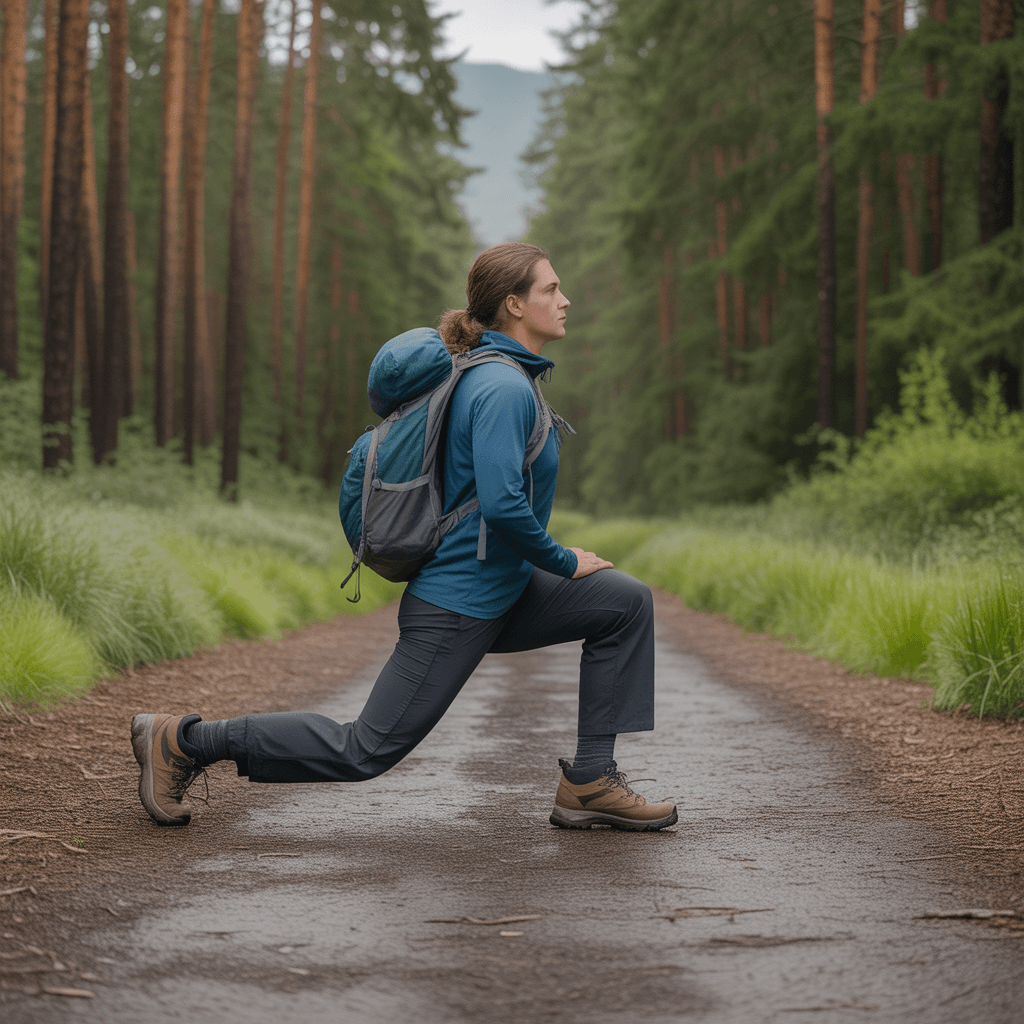
You do not need fancy equipment to train for hiking effectively. Squats are foundational: stand with feet shoulder-width apart, lower your hips back and down as if sitting into a chair, and return to standing. Aim for three sets of 12 to 15 reps. Lunges work each leg independently and improve balance: step forward with one leg, lower your back knee toward the ground, then push back to standing. Do three sets of 10 reps per leg. Step-ups simulate climbing: use a sturdy box, bench, or stair, step up with one foot, bring the other foot up, then step back down. Three sets of 12 reps per leg builds serious hiking strength.
Calf raises strengthen your ankles and lower legs: stand with feet hip-width apart, rise onto your toes, then lower back down. Do three sets of 15 to 20 reps. Planks build core endurance: hold a push-up position with forearms on the ground, keeping your body in a straight line from head to heels. Start with three sets of 30 seconds and work up to 60 seconds as you get stronger. If you have access to dumbbells or a loaded backpack, add weight to squats, lunges, and step-ups during weeks four through eight. These six exercises form the core of your strength routine and address every major muscle group used in hiking.
Recognizing When to Rest and When to Push
One of the most important skills in training is learning to distinguish between productive discomfort and warning signs of injury. Productive discomfort includes muscle soreness that appears a day or two after exercise and fades within 48 hours, breathing hard during cardio sessions, and feeling challenged but capable during strength exercises. These are signs your body is adapting. Warning signs include sharp pain during or after exercise, pain that worsens with activity, persistent soreness lasting more than three days, or pain in joints rather than muscles.
If you experience warning signs, take an extra rest day or reduce intensity rather than pushing through. Many beginners feel pressure to stick rigidly to their plan, but smart training includes flexibility to respond to your body. Rest days are when your muscles actually repair and grow stronger, not during the workouts themselves. This eight-week plan includes built-in rest days, but add more if needed. It is better to arrive at week eight slightly undertrained but healthy than to arrive injured from overtraining. Listen to your body, and remember that consistency over time beats intensity in any single session.
Frequently Asked Questions
How do I get in shape for hiking?
Getting in shape for hiking requires building three key areas: leg strength, cardiovascular endurance, and core stability. Start with bodyweight exercises like squats, lunges, and step-ups twice per week to strengthen your quads, glutes, and hamstrings. Add cardio sessions such as brisk walking on an incline, cycling, or using a StairMaster for 20 to 30 minutes at least twice per week. Include one practice hike each week, gradually increasing distance and elevation as your fitness improves. Most beginners see noticeable improvement within 6 to 8 weeks of consistent training. The key is progressive overload, meaning you gradually increase the difficulty of your workouts rather than jumping straight into intense training. Remember to include rest days so your body can recover and adapt to the new demands you are placing on it.
How long should you train for a hike?
For most beginners preparing for moderate day hikes, an 8-week training program provides enough time to build necessary strength and endurance without feeling rushed. If you are already moderately active, 4 to 6 weeks might be sufficient for shorter hikes with minimal elevation gain. For more challenging hikes with significant elevation or distance, consider extending your training to 10 or 12 weeks. The key is giving your body adequate time to adapt to new physical demands. Rushing your training increases injury risk and makes the actual hike less enjoyable. Start your training program well before your planned hiking date, and include at least one practice hike that approximates the distance and elevation gain of your goal hike. If you are training for a multi-day backpacking trip rather than day hiking, plan for at least 12 weeks of preparation and include practice hikes where you carry a fully loaded pack.
What is the 3-3-3 rule for workout?
The 3-3-3 rule is a simplified gym approach that suggests three workouts per week, three key movements per session, and three sets of each exercise. While this framework can work for general fitness, hiking preparation benefits from a more specific approach that addresses the unique demands of trails. For hiking training, aim for two strength sessions per week focusing on lower body and core exercises, two cardiovascular sessions emphasizing sustained moderate-intensity effort, and one practice hike. This gives you five training days per week with two rest days, which builds hiking-specific fitness more effectively. The exercises you choose matter more than following any general framework. Prioritize movements that mimic hiking demands: step-ups instead of leg presses, incline walking instead of flat treadmill running, and core stability exercises instead of isolated ab work. If the 3-3-3 approach fits your schedule better, you can adapt it by dedicating one session to lower body strength, one to cardio with incline work, and one to a practice hike with varied terrain.
Can I train for hiking without access to mountains or hills?
Yes, you can absolutely train for hiking even in flat areas. Use a treadmill set to 10 to 15 percent incline for your cardio sessions, which effectively simulates uphill hiking. If you have access to a StairMaster or stair climbing machine, that provides excellent hiking-specific cardio training. For outdoor training, find parking garages, stadium stairs, or tall buildings where you can climb stairs repeatedly. Even doing step-ups onto a sturdy platform at home builds the same leg strength as climbing hills. Load a backpack with 10 to 20 pounds and wear it during your cardio sessions to simulate the demands of trail hiking. The key is replicating the specific demands of hiking: sustained cardiovascular effort with an emphasis on leg strength and core stability. Many hikers who live in flat regions successfully prepare for mountain hiking by using these strategies. When you finally get to actual trails, start with easier hikes to allow your body to adjust to real terrain, since training cannot perfectly replicate the balance and stability challenges of uneven ground.
The Bottom Line
Training for hiking does not require transforming into an ultra-athlete or spending hours at the gym every day. Eight weeks of consistent, focused training prepares most beginners to enjoy moderate day hikes without excessive fatigue or discomfort. The key is balancing strength work, cardiovascular training, and practice hikes while respecting rest days and listening to your body. If you are planning your first 3 to 4 mile hike on relatively flat terrain, you can succeed with just four weeks of preparation. If your goal is a more challenging 8-mile hike with significant elevation gain, commit to the full eight weeks and ensure your practice hikes progressively build toward that difficulty.
Remember that fitness is just one component of enjoying hiking. As you train, also break in your footwear, test your gear on practice hikes, and learn basic trail navigation skills. The confidence you build during training translates directly to confidence on the trail. Start your training program today rather than waiting for the perfect moment. Even one or two sessions per week creates meaningful improvement over time. Your first hike after completing this training program will feel remarkably different from attempting the same hike without preparation. You will move with more confidence, fatigue less quickly, and have energy left to actually enjoy the views instead of just surviving the trail. The investment you make in training pays dividends in every future hike you take.
Disclosure: As an Amazon Associate, we earn from qualifying purchases. This does not affect our editorial recommendations.