
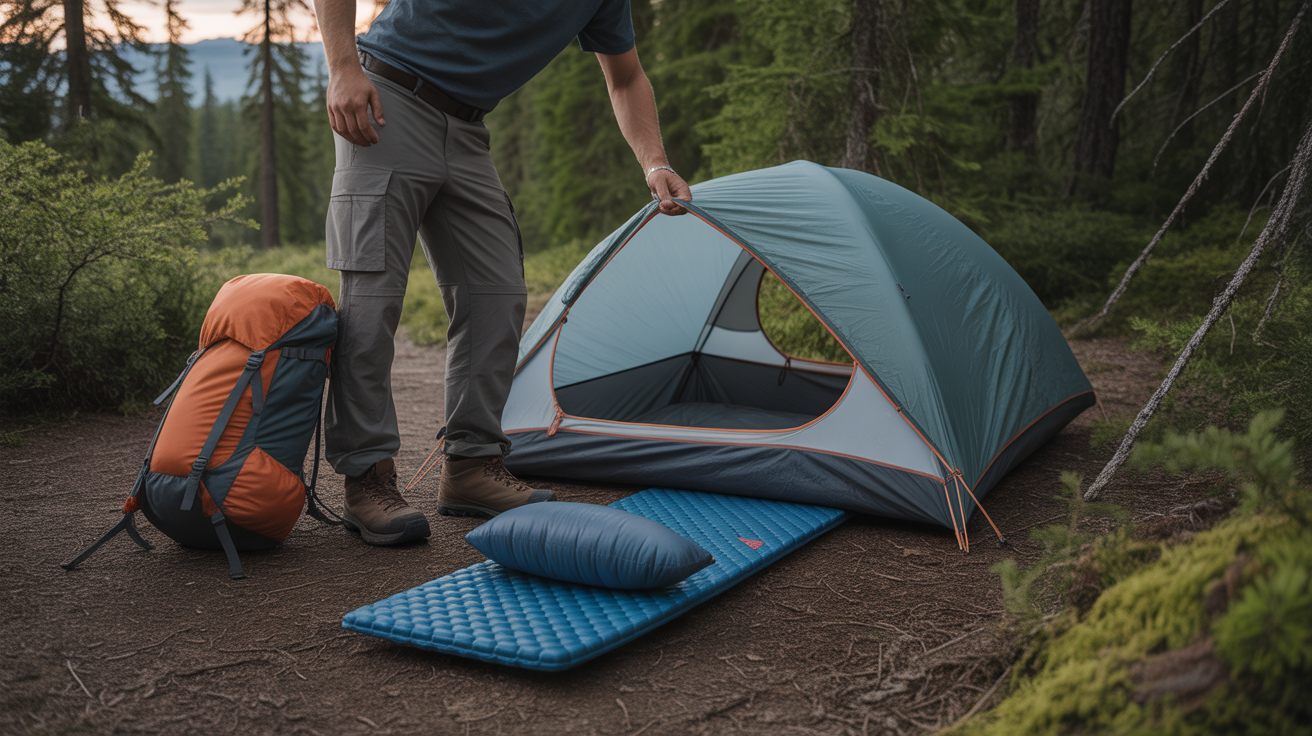
After a long day on the trail, nothing feels worse than waking up with a stiff neck because you used a stuff sack as a pillow. You know you need something better, but bringing your home pillow is not realistic when every ounce counts. The best backpacking pillow solves this problem by compressing small, weighing almost nothing, and still giving your neck the support it needs to actually rest.
Choosing between inflatable air pillows, compressible foam options, and hybrid designs can feel overwhelming when you are staring at dozens of options online. This guide breaks down what actually matters for trail sleep, compares five proven pillows that backpackers rely on, and helps you pick the right one for how you sleep and where you hike.
What to Look For
Inflatable vs Foam vs Hybrid Construction
The best backpacking pillow category splits into three main types, each with trade-offs. Inflatable pillows use air chambers that pack down to the size of a tennis ball and weigh 2-4 ounces. You blow them up at camp, adjust firmness by adding or releasing air, then deflate them in the morning. The downside is they feel less natural than a home pillow and can be noisy when you shift positions at night. Some models add a thin foam or fabric layer on top to reduce the plasticky feel.
Compressible foam pillows feel closest to what you use at home because they are filled with shredded memory foam or synthetic insulation. They offer better cushioning and stay quieter through the night. The trade-off is weight and packed size-most foam pillows weigh 8-12 ounces and compress to about the size of a water bottle. If you are new to backpacking and willing to carry a bit more weight for comfort, foam is often easier to sleep on from night one.
Hybrid pillows combine an inflatable core with a foam sleeve or topper. You get the packability of an air pillow with some of the cushioning of foam. These typically weigh 4-6 ounces and pack smaller than pure foam options. The best hybrid designs let you adjust air pressure while the foam layer reduces that balloon-on-your-face feeling that some people hate about inflatables.
Weight and Packed Size
Every backpacker has a different tolerance for weight. If you are doing weekend trips with a 30-pound pack, an 8-ounce foam pillow will not ruin your hike. But if you are trying to keep your base weight under 15 pounds or doing longer treks where every ounce compounds over miles, ultralight inflatables that weigh 2-3 ounces make more sense.
Packed size matters as much as weight because backpack space fills up fast with sleeping bag, tent, food, and clothing layers. The best backpacking pillow options compress small enough to tuck into unused corners of your pack without taking up prime real estate. Inflatable pillows win here-most stuff down to fist-sized or smaller. Compressible foam pillows typically need a compression stuff sack and still end up softball-sized or larger. Check the packed dimensions in product listings, not just the weight.
Neck Support and Sleep Position
The whole point of carrying a pillow is better sleep, which means your neck needs proper support. Side sleepers need more loft-the pillow height when fully inflated or expanded-to fill the gap between shoulder and head. Most side sleepers do better with pillows that offer 4-5 inches of loft. Back sleepers can use lower-profile options around 2-3 inches.
Stomach sleepers have the easiest time because you can get away with minimal support or even skip a pillow entirely. But if you tend to shift positions through the night, look for pillows with adjustable loft. Inflatable models let you fine-tune firmness by adjusting air pressure. Some foam pillows let you remove filling to customize height. Ergonomic contours on higher-end inflatable pillows cradle your head and neck better than flat designs, though they cost more.
Durability and Puncture Risk
Inflatable pillows can puncture, though it is less common than you might think if you treat them reasonably. Most use the same durable fabrics as sleeping pads-ripstop nylon with polyurethane or TPU coatings. Avoid placing them directly on rough ground or near sharp objects like tent stakes. Some backpackers keep their pillow inside their sleeping bag stuff sack for extra protection during the day.
Foam pillows have no puncture risk but can get compressed permanently if you cram them too tight in your pack repeatedly. Let foam pillows fully expand when you get home to help them retain loft. Hybrid pillows have the same puncture risk as pure inflatables for the air bladder portion, but the foam sleeve often provides some protection.
Most reputable brands include repair kits with inflatable pillows. Patches work the same way as sleeping pad repairs-clean the area, apply adhesive patch, wait for it to cure. A small hole does not ruin your trip if you can patch it.
Washability and Camp Hygiene
Pillows touch your face every night, so cleaning matters. The best backpacking pillow options come with removable covers you can wash at home between trips. Inflatable pillows with built-in fabric or fleece surfaces are harder to clean-you usually wipe them down with a damp cloth and mild soap, then let them air dry completely before packing away.
Foam pillows with removable covers are easiest to keep fresh. Toss the cover in the washing machine and either hand-wash the foam insert or spot-clean it. Some foam fills are machine washable on gentle cycle, but check the care instructions. Pillows without removable covers tend to get funky after a few trips, especially in humid climates. Consider bringing a lightweight pillowcase or buff to use as a barrier if your pillow does not have a removable cover.
Valve Design and Inflation Speed
If you choose an inflatable pillow, valve quality matters more than you would expect. Two-way valves let you inflate and deflate without switching positions. One-way valves require you to flip the pillow to let air out. Neither is objectively better, but two-way valves feel more intuitive.
Some inflatables take 15-20 breaths to fill, which feels like a lot when you are tired. Larger air chambers mean more breaths but often better comfort. Smaller ultralight pillows inflate in 5-10 breaths but offer less cushioning. A few premium models include a small hand pump or integrate with sleeping pad pumps, though this adds weight and complexity most backpackers skip.
Our Top Picks
1. TREKOLOGY Ultralight Inflatable Camping Travel Pillow – ALUFT 2.0
Best for backpackers who want ultralight packability with ergonomic neck support at a budget price

The TREKOLOGY ALUFT 2.0 has become one of the most popular inflatable pillows among backpackers for good reason-it balances weight, comfort, and cost better than most alternatives. At 2.75 ounces, it disappears in your pack and costs less than $20, making it an easy first pillow for anyone new to overnight hiking.
The contoured design curves around your neck and head rather than sitting flat like a balloon. This ergonomic shape keeps your head from rolling off during the night, which is the main complaint people have about cheap inflatable pillows. The air chamber uses a two-way valve that inflates in about 10-15 breaths and deflates quickly when you press the center button. The valve never leaked during testing, and the 20D nylon fabric feels durable enough to handle regular trail use.
Comfort is subjective with inflatable pillows, but the ALUFT 2.0 lands in the middle ground. It is not as plush as a foam pillow, but the curved shape provides actual neck support rather than just floating your head. You can adjust firmness by adding or releasing air-side sleepers will want it firmer, back sleepers can go softer. The surface fabric has a slight texture that reduces the slippery plastic feel, though it can still be noisy if you move around a lot at night.
Packed size is about the size of a soda can, and it comes with a small stuff sack. The pillow packs down small enough to tuck into a corner of your backpack or even a jacket pocket. The only real downside is the surface fabric can feel clammy against your face in humid weather-consider using a buff or lightweight pillowcase if you sweat at night.
See current pricing for the TREKOLOGY ALUFT 2.0 on Amazon.
Pros
- Ultralight at 2.75 ounces and packs extremely small
- Ergonomic contoured design provides better neck support than flat inflatables
- Two-way valve inflates and deflates quickly without switching positions
- Budget-friendly price under $20 with over 24,000 positive reviews
- Adjustable firmness by adding or releasing air for different sleep positions
Cons
- Surface can feel clammy in humid conditions without a pillowcase
- Makes some noise when shifting positions at night
- Not as plush or cushioned as foam pillow options
View TREKOLOGY Ultralight Inflatable Camping Travel Pillow – ALUFT 2.0 on Amazon →
2. Hikenture Camping Pillow with Removable Cover – Ultralight Inflatable Pillow
Best for backpackers who want a washable cover on an inflatable pillow for easier cleaning between trips

The Hikenture inflatable pillow stands out because it includes a removable soft-touch cover, which is rare at this price point. Most inflatable pillows force you to put your face directly on the air bladder, but this model lets you unzip and wash the cover at home. If you hate the plastic balloon feel of typical inflatables, the fabric cover makes a noticeable difference in comfort and reduces the crinkly noise.
The pillow itself uses a contoured ergonomic design similar to higher-end models, with raised edges that cradle your head. It inflates to about 4 inches of loft, which works well for side sleepers who need more height. Back sleepers can let out some air to lower the profile. The valve system is straightforward-inflate with 10-15 breaths, then close the valve. Deflation happens quickly by opening the valve and pressing down.
Weight comes in around 3.5 ounces with the cover attached, which is still light enough for backpacking. The removable cover is the main selling point-it is machine washable, so you can keep the pillow fresh trip after trip without wiping down the air bladder.
Over 10,000 reviews with a 4.5-star average shows this pillow works for a lot of people. Common feedback mentions the cover makes it feel more like a real pillow and less like camping gear. The trade-off is a bit more weight and bulk compared to minimalist inflatables, but if you value comfort and hygiene over the last ounce, the Hikenture is worth considering.
Read verified buyer reviews for the Hikenture Camping Pillow on Amazon.
Pros
- Removable washable cover is rare on inflatable pillows at this price
- Soft-touch fabric reduces plastic balloon feel and noise
- Ergonomic contoured design provides good neck support for side and back sleepers
- Still lightweight at 3.5 ounces with cover attached
- Over 10,000 reviews confirm reliability and comfort for most users
Cons
- Slightly heavier and bulkier than ultralight inflatables without covers
- Some users report the cover can slip slightly during the night
- Inflates to moderate loft but not adjustable beyond air pressure
View Hikenture Camping Pillow with Removable Cover – Ultralight Inflatable Pillow on Amazon →
3. Therm-a-Rest Compressible Cinch Camping and Backpacking Pillow
Best for backpackers who prioritize comfort over weight and want a pillow that feels closest to home

The Therm-a-Rest Compressible Cinch is a foam-filled pillow designed for people who cannot sleep on inflatable options. It uses expandable foam inside a soft brushed polyester cover, so it feels like an actual pillow instead of a balloon. If you have tried inflatables and hated the feel, this is the category to explore.
At 9 ounces for the regular size (14 x 18 inches), this pillow weighs more than inflatables but still fits within most backpackers’ weight budgets for weekend trips. The foam compresses down to about the size of a one-liter water bottle using the attached cinch straps. It will not pack as small as an inflatable, but the comfort trade-off is significant for people who struggle to sleep without proper cushioning.
The brushed cover feels soft against your face and stays quiet through the night-no crinkling or squeaking when you move. The foam provides consistent loft around 4 inches when fully expanded, which works well for side sleepers. Back sleepers can fold it in half for a lower profile. The pillow holds its shape through the night without deflating or losing support.
Therm-a-Rest has a strong reputation for quality outdoor gear, and this pillow reflects that. The 2,210 reviews averaging 4.5 stars represent a smaller feedback pool than mass-market options, but the consistent rating suggests reliable performance among those who have purchased it. The cinch straps make compression easy, and the cover is machine washable. The main downside is weight and packed size-if you are counting every ounce or packing a small backpack, this might feel too bulky. But if you value sleep quality over ultralight specs, the Compressible Cinch delivers.
Check current stock for the Therm-a-Rest Compressible Cinch on Amazon.
Pros
- Feels like a real pillow with soft brushed fabric and foam cushioning
- Quiet with no noise when shifting positions at night
- Machine washable cover for easy cleaning between trips
- Consistent 4-inch loft provides good support for side sleepers
- Durable construction from trusted outdoor brand
Cons
- Heavier at 9 ounces compared to inflatable options
- Packs larger than inflatables even when compressed
- Higher price point at $30 compared to budget inflatables
View Therm-a-Rest Compressible Cinch Camping and Backpacking Pillow on Amazon →
4. Nemo Equipment Fillo Backpacking & Camping Pillow
Best for backpackers who want premium comfort with a hybrid design combining foam and air

The Nemo Fillo represents the high end of the best backpacking pillow category by combining an inflatable air bladder with a thick foam topper. This hybrid design delivers comfort closer to a foam pillow while packing smaller and weighing less. At $50, it costs more than other options, but the comfort upgrade is noticeable if you have trouble sleeping on trail.
The pillow uses a baffled air chamber for the core structure, which you inflate in about 10-12 breaths. A thick layer of foam sits on top of the air bladder, so your face rests on soft cushioning rather than plastic. The foam is substantial-about half an inch thick-which makes a real difference in comfort compared to thin fabric covers on cheaper inflatables. The combination eliminates the balloon feel entirely.
Weight comes in around 5 ounces, which lands between ultralight inflatables and full foam pillows. The pillow includes an integrated stuff sack that doubles as a valve cover, so you will not lose it. The cover is removable and machine washable, though some users mention it can shift slightly during the night.
The 814 reviews with a 4.6-star rating represent a smaller sample size than budget options with tens of thousands of reviews, but the high average rating and feedback from outdoor enthusiasts suggests this pillow performs well for those willing to invest in premium sleep comfort. Common feedback praises the comfort level and build quality. The trade-offs are price and a bit more weight than minimalist options. If you are willing to spend more and carry a few extra ounces for significantly better sleep, the Fillo is worth considering. If you are on a tight budget or obsessing over base weight, cheaper inflatables or foam-only options make more sense.
Compare the Nemo Fillo specs and pricing on Amazon.
Pros
- Hybrid design combines air core with thick foam topper for excellent comfort
- Eliminates plastic balloon feel of standard inflatables
- Removable washable cover for easier cleaning
- Lighter and more packable than pure foam pillows
- Premium build quality from respected outdoor brand
Cons
- Expensive at $50 compared to budget options
- Heavier than ultralight inflatables at 5 ounces
- Cover can shift slightly during the night for some users
View Nemo Equipment Fillo Backpacking & Camping Pillow on Amazon →
5. Sea to Summit Aeros Ultralight Inflatable Camping and Travel Pillow
Best for ultralight backpackers who want a proven inflatable pillow from a premium brand

The Sea to Summit Aeros Ultralight has been a staple in the backpacking community for years. It is one of the lightest full-size inflatable pillows at 2.5 ounces for the regular size, and Sea to Summit has refined the design through multiple generations. If you want an ultralight inflatable from a trusted brand with a strong track record, this is a safe choice.
The pillow uses a curved design that is higher on the edges to cradle your head. The center sits lower, which keeps your neck in a more neutral position than flat inflatables. It inflates quickly with about 8-10 breaths using a multi-functional valve that handles inflation and deflation. The valve locks securely and has not leaked in testing or according to most user reviews.
The fabric is 20D stretch-knit polyester, which feels less plastic-like than plain nylon but still has some of that inflatable pillow texture. It is not as soft as foam or fabric-covered hybrids, but the stretch-knit material conforms to your head better than rigid fabrics. Packed size is extremely small-about the size of a tennis ball-and it comes with a small stuff sack.
At $35, the Aeros Ultralight costs more than budget inflatables but less than premium hybrids. You are paying for Sea to Summit’s reputation for quality and durability. Over 1,300 reviews average 4.5 stars, with most people praising the lightweight design and reliable valve. The main complaints are typical for inflatables-some people find it too firm, noisy, or uncomfortable compared to foam options. If you have never used an inflatable pillow, this is not necessarily the first one to try. But if you know you want ultralight and understand the trade-offs, the Aeros is a solid performer.
See if the Sea to Summit Aeros Ultralight is right for your first hike on Amazon.
Pros
- Ultralight at 2.5 ounces for full-size regular model
- Curved ergonomic design provides better neck support than flat inflatables
- Reliable multi-function valve handles inflation and deflation smoothly
- Premium brand with strong reputation for durability
- Packs extremely small with included stuff sack
Cons
- Higher price point at $35 compared to budget inflatables
- Fabric still feels somewhat plastic-like despite stretch-knit material
- Not ideal for first-time inflatable pillow users who might prefer foam comfort
View Sea to Summit Aeros Ultralight Inflatable Camping and Travel Pillow on Amazon →
How These Compare
Choosing the best backpacking pillow comes down to how you balance weight, comfort, and budget. If you are new to backpacking and unsure what you need, start with an inflatable option like the TREKOLOGY ALUFT 2.0. At under $20 and 2.75 ounces, it gives you a real sense of what inflatable pillows feel like without a big investment. The Hikenture model adds a washable cover for a few dollars more, which matters if you camp often and want easier cleaning.
For backpackers who have tried inflatables and hate them, the Therm-a-Rest Compressible Cinch is the clear foam option. It weighs 9 ounces and packs bigger, but it feels like a normal pillow and stays silent through the night. If you are doing weekend trips or car camping where weight is not critical, the comfort upgrade is worth carrying. The foam construction also means zero puncture risk, which gives peace of mind on rocky campsites.
The Nemo Fillo hybrid sits in the middle ground-lighter than pure foam but more comfortable than basic inflatables. It costs $50, which is a lot for a pillow, but the thick foam topper eliminates the balloon feel that turns some people off inflatables. If you have a higher gear budget and prioritize sleep quality, the Fillo is one of the best backpacking pillow options available. The Sea to Summit Aeros Ultralight appeals to weight-conscious backpackers who want a proven design from a premium brand.
Side sleepers need more loft, so consider the Hikenture or Nemo Fillo, both of which inflate to about 4 inches. Back sleepers can use any of these options by adjusting air pressure or folding foam pillows. Stomach sleepers have the easiest time and might not need a pillow at all. If you move between positions at night, inflatable pillows with adjustable firmness give you more flexibility than fixed-loft foam options.
Budget also matters. The TREKOLOGY and Hikenture models deliver solid performance under $25, which is reasonable for gear you will use trip after trip. The Therm-a-Rest costs $30 and the Nemo runs $50-higher prices, but both come from established brands with better warranties and customer service. If you are just starting out, save money with a budget inflatable. If you are upgrading after realizing pillows matter, spend more on the Nemo hybrid or Sea to Summit ultralight.
Frequently Asked Questions
Do I really need a backpacking pillow or can I just use my jacket?
You can absolutely use a jacket or stuff sack as a pillow, and many backpackers do exactly that to save weight and money. The trade-off is comfort and sleep quality. A bunched-up jacket provides some cushioning but does not offer consistent loft or neck support. It shifts around during the night, compresses flat under your head, and can leave you with a stiff neck by morning.
A dedicated backpacking pillow weighs 2-10 ounces depending on the type, which is minimal compared to the rest of your gear. Better sleep means you wake up more rested, which directly affects how you feel on the trail the next day. If you are doing a single overnight trip and want to test backpacking without investing in more gear, using a jacket is fine. But if you plan to backpack regularly or struggle to sleep in the outdoors, a real pillow is worth the small weight penalty. Most people who try a proper backpacking pillow do not go back to using clothing.
How do I keep my inflatable pillow from sliding around at night?
Sliding pillows are a common frustration with inflatable models, especially on slippery sleeping pad fabrics. Several strategies help keep your pillow in place. First, check if your sleeping pad has a pillow attachment system-some pads include elastic loops or Velcro strips designed to hold a pillow. If yours does, use them.
If your pad does not have attachments, try placing a piece of clothing under the pillow to add friction between the pillow and pad. A fleece or soft jacket works well. Some backpackers use a small strip of Velcro or non-slip shelf liner cut to size, though this adds a bit of weight. Another option is to slide the pillow partially inside your sleeping bag stuff sack, then tuck the sack under your sleeping pad to anchor it. This method works best with compressible foam pillows.
Some pillows include attachment straps or clips built into the design. Check product details before buying if this is a priority. The Therm-a-Rest and Nemo pillows both offer strap systems on certain models. Finally, consider your sleeping position-side sleepers create more pressure that holds the pillow in place, while back sleepers tend to have more sliding issues.
Can I use a regular travel pillow instead of a backpacking-specific one?
You can use a regular travel pillow for backpacking, but weight and packed size become problems quickly. Standard travel pillows designed for airplanes or car trips weigh 12-20 ounces and do not compress small. They take up significant space in your backpack, which limits room for food, clothing layers, and other essentials. Most travel pillows also lack features backpackers need, like durable water-resistant fabrics or compact stuff sacks.
Backpacking-specific pillows are engineered to balance comfort with minimal weight and packed size. Even the heaviest foam backpacking pillows weigh less than half what standard travel pillows do. The fabrics are tougher to handle outdoor conditions, and the compression designs let them pack down tight. If you already own a travel pillow and want to test backpacking before buying more gear, try it on a short overnight trip. You will quickly see why dedicated backpacking pillows exist-the weight and bulk make a noticeable difference when you are carrying everything on your back for miles.
What is the best backpacking pillow for side sleepers?
Side sleepers need more loft-the height of the pillow when inflated or expanded-to fill the gap between shoulder and head. Look for pillows that offer at least 4 inches of loft. The Hikenture inflatable pillow and Nemo Fillo hybrid both provide good height for side sleeping, and you can adjust firmness on inflatable models by adding more air for extra support.
The Therm-a-Rest Compressible Cinch foam pillow also works well for side sleepers because the foam maintains consistent loft through the night without deflating. Foam pillows conform to your head and neck better than rigid inflatables, which some side sleepers prefer. The trade-off is more weight-the Therm-a-Rest weighs 9 ounces compared to 3-5 ounces for inflatables.
Avoid flat or minimalist inflatable pillows designed for ultralight backpacking if you sleep on your side. These pack incredibly small but offer minimal loft, which leaves your neck unsupported. Check product specifications for loft measurements before buying, and look for contoured or ergonomic designs that cradle your head rather than just floating it on air.
The Bottom Line
The best backpacking pillow depends on what you value most-weight, comfort, or cost. If you are new to backpacking and want to try an inflatable without spending much, the TREKOLOGY ALUFT 2.0 delivers solid performance under $20 and weighs almost nothing. The Hikenture model adds a washable cover for easier cleaning, which matters if you camp frequently. Both work well for first-time backpackers who want to see if inflatable pillows suit their sleep style.
For backpackers who prioritize sleep quality over ultralight specs, the Therm-a-Rest Compressible Cinch provides foam comfort that feels closest to home. It weighs more and packs larger, but the soft fabric and consistent cushioning make a real difference if you struggle to sleep on inflatables. Weekend warriors doing short trips will appreciate the comfort upgrade even with the extra weight.
If you have a higher gear budget and want the best of both worlds, the Nemo Fillo hybrid combines the packability of inflatables with the comfort of foam. At $50 it costs more, but the thick foam topper eliminates the balloon feel and delivers premium comfort. The Sea to Summit Aeros Ultralight appeals to weight-conscious backpackers who want proven performance from a respected brand.
No pillow fixes bad sleep if your sleeping pad is uncomfortable or your sleeping bag does not fit right. Start with the basics-a good pad and bag-then add a pillow to fine-tune your camp sleep system. Most backpackers who invest in a proper pillow wonder why they waited so long. Better sleep means more energy on the trail and more enjoyment of your time outdoors.
Disclosure: As an Amazon Associate, we earn from qualifying purchases. This does not affect our editorial recommendations.