
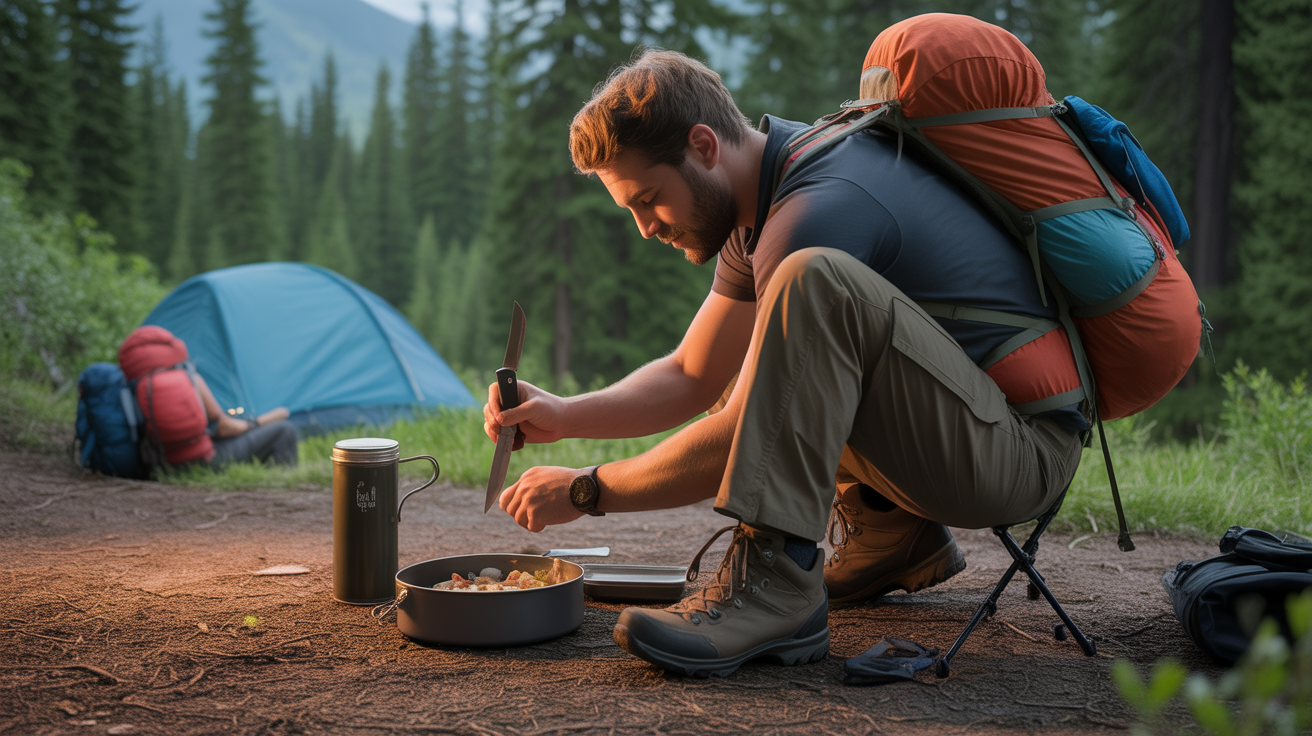
Choosing the best camp knife for hiking can feel overwhelming when you are standing in front of dozens of options, each claiming to be essential trail gear. You want something reliable for slicing food, handling minor repairs, or addressing first aid needs, but you also need to consider weight, legal carry rules, and whether a folding or fixed blade makes more sense for your trips.
This guide breaks down what actually matters when selecting the best camp knife for hiking. We cover blade length considerations, locking mechanisms that keep you safe, legal carry issues across different areas, and review tested options that handle real trail tasks without adding unnecessary bulk to your pack.
What to Look For
Blade Length and Trail Practicality
Blade length directly impacts what your knife can do and whether you can legally carry it in certain areas. Most hiking knives fall between 2.5 and 4 inches, a range that handles typical camp tasks like food preparation, cord cutting, and minor gear repairs without being unwieldy.
Shorter blades around 2.5 to 3 inches excel at detailed work like spreading peanut butter, cutting cheese, or trimming moleskin for blister care. They are lighter, easier to control, and generally face fewer legal restrictions. Longer blades in the 3.5 to 4-inch range provide more cutting power for tasks like slicing through rope, preparing kindling, or cutting larger food items, but they add weight and may trigger restrictions in urban trailheads or certain parks.
Consider your typical hiking style when deciding on length. Day hikers who pack sandwiches and snacks rarely need more than 3 inches. Overnight campers preparing meals from scratch may appreciate the extra length. Always verify local regulations before choosing a blade length, as some jurisdictions restrict carry of knives over 3 inches in public spaces.
Folding Versus Fixed Blade Design
Folding knives dominate the hiking world because they pack smaller, weigh less, and reduce injury risk when stored in your pack. A quality folder with a secure lock gives you a functional blade that disappears into a pocket or pack pouch without requiring a separate sheath.
Fixed blade knives offer superior strength and reliability since they have no moving parts to fail. They handle heavy cutting tasks better and require no deployment time. However, they demand a sheath for safe carry, adding bulk and weight. Most hikers find fixed blades excessive for typical trail needs unless they are combining hiking with bushcraft activities or extended wilderness camping.
For general hiking and camp use, a folding knife with a solid locking mechanism provides the best balance of functionality, safety, and packability. Save fixed blades for situations where you genuinely need maximum durability and cutting power.
Locking Mechanisms That Matter
A locking mechanism prevents the blade from closing on your fingers during use. This is not optional safety theater. When you are holding food with one hand and cutting with the other, a secure lock is the only thing standing between you and a trip-ruining injury.
Liner locks are the most common mechanism in folding knives. A spring-loaded liner moves into place behind the blade when opened, blocking it from closing. They work reliably when manufactured properly and are easy to operate with one hand. The downside is that pressure on the side of the handle can potentially disengage the lock, though this rarely happens during normal use.
Frame locks use the handle itself as the locking mechanism, typically offering stronger engagement than liner locks. They are common on higher-end knives and provide excellent security. Lockback designs use a spine lever that clicks into place, requiring deliberate two-handed operation to close. This makes them very secure but slower to close when you need to stow your knife quickly.
Axis locks and similar designs use a bar that moves across the tang (the unsharpened portion of the blade that extends into the handle), offering ambidextrous operation and strong lockup. Any of these mechanisms work fine for hiking if manufactured properly. Focus on overall knife quality rather than obsessing over lock type.
Steel Types and Maintenance Reality
Knife steel determines edge retention, corrosion resistance, and how easily you can sharpen your blade in the field. Stainless steel varieties like 8Cr13MoV, 420HC, or VG-10 resist rust well and sharpen easily, making them practical for hikers who want low-maintenance tools. They lose their edge faster than premium steels but are much easier to touch up with a basic sharpener.
Higher-end steels like D2, S30V, or Swedish 14C28N hold an edge significantly longer and offer better overall performance. They cost more and require more effort to sharpen, but you sharpen less frequently. For most hikers, mid-range stainless steel provides the best balance. You can restore the edge quickly at home between trips, and you are not devastated if the knife gets lost or damaged.
Carbon steel like that found in traditional Opinel knives holds an excellent edge and sharpens easily, but it rusts if not maintained. Unless you enjoy the ritual of oiling and caring for your blade, stick with stainless options for hiking.
Legal Carry Considerations
Knife laws vary dramatically by state, county, and even city. Some areas restrict blade length, others ban certain opening mechanisms like spring-assisted or automatic knives, and some prohibit concealed carry of any folding knife over a certain size.
Before choosing the best camp knife for hiking in your area, research local laws. Many state wildlife agencies publish knife carry guidelines for hunters and outdoors enthusiasts. National parks generally allow fixed and folding knives for camping purposes, but state parks may have different rules. Urban trailheads often fall under city ordinances that restrict blade length more severely than wilderness areas.
As a practical guideline, folding knives under 3 inches with manual opening are legal in most jurisdictions. Spring-assisted openers and blades over 3.5 inches trigger restrictions in many areas. When hiking in unfamiliar locations, err on the conservative side or contact local authorities for clarification.
Handle Design and Wet-Condition Grip
Your knife handle matters more than most beginners realize. Camp tasks often involve wet hands from dishwashing, sweaty palms from hiking, or cold fingers that lack dexterity. A handle that feels fine in the store may become slippery and dangerous on the trail.
Textured G10 (a durable composite material made of fiberglass and resin), rubberized coatings, or contoured aluminum handles provide secure grip in varied conditions. Smooth wood or plain metal looks attractive but becomes hazardous when wet. Look for handles with finger grooves or texture patterns that engage your palm without being uncomfortable during extended use.
Handle length should match your hand size. Compact knives save weight but may feel cramped during tasks requiring firm grip. Test the closed knife in your pocket or pack pouch to ensure it does not disappear or become difficult to retrieve.
Weight Versus Capability Trade-Offs
Every ounce counts when you are carrying your pack for miles, but an ultralight knife that cannot handle basic tasks becomes dead weight. Most functional hiking knives weigh between 2 and 5 ounces, a range that provides adequate blade size without dominating your gear weight.
Multi-tools offer scissors, screwdrivers, and other functions in addition to a blade, but they often compromise knife performance and add weight. For hiking specifically, a dedicated knife handles cutting tasks better than a multi-tool blade. Carry a simple knife for camp tasks and address repairs with a small, lightweight multi-tool only if you regularly need those extra functions.
Ultralight options under 2 ounces exist but typically sacrifice blade length, steel quality, or locking strength. Unless you are counting every gram for fastpacking, choose a knife that inspires confidence rather than one that merely disappears in your pack.
Our Top Picks
1. Opinel No. 08 Carbone – Carbon Steel Folding Pocket Knife
Best for hikers who want a traditional, lightweight knife for food prep and basic camp tasks

The Opinel No. 08 represents over 130 years of French knife-making tradition condensed into a simple, effective trail tool. The 3.28-inch carbon steel blade handles typical camp tasks like slicing vegetables, spreading condiments, cutting cord, and preparing food with ease. The beechwood handle feels comfortable during extended use and adds minimal weight to your pack.
What sets this knife apart is its rotating safety ring that locks the blade both open and closed. When cooking at camp, you twist the collar to secure the blade, preventing any chance of accidental closure. When storing the knife, you lock it closed so it cannot open inside your pack. This dual-function lock is more secure than many modern mechanisms and operates smoothly even after years of use.
The carbon steel blade holds an exceptionally sharp edge and sharpens easily with a basic stone. However, it requires minimal maintenance to prevent rust. After using the knife, wipe the blade clean and apply a light coating of oil if it will not be used for several days. This extra step deters some hikers who want zero-maintenance gear, but others appreciate the ritual and the superior edge performance carbon steel provides.
The slim profile means it does not take up valuable space in your pack or pocket. The lack of a pocket clip means you need to designate a specific pocket or pouch, but the compact size makes this a minor consideration. For hikers who prioritize simplicity, cutting performance, and classic design over modern features, this knife delivers exactly what matters on the trail.
See current pricing for the Opinel No. 08 Carbone on Amazon.
Pros
- Extremely lightweight and compact for easy carry
- Rotating safety ring secures blade both open and closed
- Carbon steel blade holds an exceptional edge and sharpens easily
- Classic beechwood handle is comfortable for extended food prep tasks
- Slim profile takes up minimal pack space
Cons
- Carbon steel requires oiling to prevent rust
- No pocket clip for quick access
- Smooth handle can become slippery when wet
View Opinel No. 08 Carbone – Carbon Steel Folding Pocket Knife on Amazon →
2. Victorinox Hiker Swiss Army Knife, 13 Function
Best for hikers who want multiple functions in one compact tool for varied trail tasks

The Victorinox Hiker packs 13 functions into a pocket-sized package. Beyond the main blade and small blade, you get a wood saw, can opener, bottle opener, Phillips screwdriver, reamer, tweezers, and toothpick. This range of tools addresses common hiking situations where a simple knife falls short: opening canned food, removing splinters, tightening loose pack screws, or sawing small branches for tent stakes.
The main blade is stainless steel, resists corrosion well, and requires no special maintenance beyond occasional cleaning. It holds a functional edge for typical camp cutting tasks, though it does not match the performance of dedicated knife blades made from higher-end steel. For spreading peanut butter, cutting cheese, slicing vegetables, or trimming cord, it works perfectly fine.
The wood saw stands out as genuinely useful for cutting small branches, notching stakes, or processing kindling. It outperforms trying to saw with a knife blade and reduces injury risk. The can opener and bottle opener address real camp needs, and the tweezers tuck into the handle for splinter removal or tick extraction. The Phillips screwdriver fits most pack buckles and tent pole ferrules that work loose on the trail.
This multi-function approach adds some weight compared to a single-blade folder, and the tool selection may include items you never use. However, for hikers who value versatility and do not want to carry separate tools for different tasks, the Hiker delivers solid performance across varied situations. The iconic red handle resists slipping better than smooth plastic, though textured options provide even more grip. At under $40, it represents excellent value for a tool that can handle nearly any common trail situation.
Read verified buyer reviews for the Victorinox Hiker on Amazon.
Pros
- 13 functions including wood saw, can opener, and Phillips screwdriver
- Stainless steel blade requires no special maintenance
- Tweezers and toothpick store inside handle for splinter removal and cleaning
- Wood saw cuts small branches more safely than using a knife blade
- Compact design with multiple useful trail tools
Cons
- Blade mechanism feels less secure than dedicated locking knives
- Not all 13 functions will be useful for every hiker
- Heavier than single-blade folding knives
3. Buck Knives 110 Folding Hunter Knife
Best for hikers who want a premium lockback knife with a larger blade for camp meal prep and general tasks

The Buck 110 Folding Hunter has been a staple of outdoor gear since 1964, earning its reputation through decades of reliable field performance. The 3.75-inch clip point blade provides enough length for substantial cutting tasks while remaining legal in most jurisdictions. This blade size excels at camp meal preparation, cutting rope or webbing, and handling tasks that would feel awkward with shorter knives.
The lockback mechanism uses a spine-mounted lever that locks the blade open with a distinctive click. This design provides extremely secure lockup that will not fail during use. Closing the knife requires pressing the lever with your thumb while folding the blade, a deliberate two-handed action that prevents accidental closure but takes more time than one-handed liner locks (spring-loaded mechanisms that block the blade from closing). For camp use where speed matters less than security, this trade-off makes sense.
The handle provides substantial heft that gives you control during cutting tasks and the knife feels solid in hand. However, smooth handle materials can become slippery when wet or greasy from food prep, so keep your hands dry when working with this knife. The included sheath protects the knife well and attaches securely to your belt.
The blade holds an edge well, sharpens easily at home with a basic stone, and resists corrosion from food acids and outdoor moisture. For hikers who want a classic knife that will last for decades and handle serious cutting tasks, the 110 delivers. However, day hikers focused on minimizing pack weight should consider lighter options. This knife makes more sense for overnight trips where camp meal prep justifies carrying a larger tool, or for hikers who value build quality and longevity over saving a few ounces.
Check current stock for the Buck Knives 110 Folding Hunter on Amazon.
Pros
- Blade holds an edge well and resists corrosion
- Extremely secure lockback mechanism prevents accidental blade closure
- Premium build quality designed for decades of use
- 3.75-inch blade handles substantial cutting tasks
- Classic design with durable construction
Cons
- Heavier than ultralight folding options
- Smooth handle becomes slippery when wet
- Two-handed operation required to close blade
4. CIVIVI Mini Praxis Folding Pocket Knife
Best for hikers who want a modern, budget-friendly folder with excellent steel and secure grip
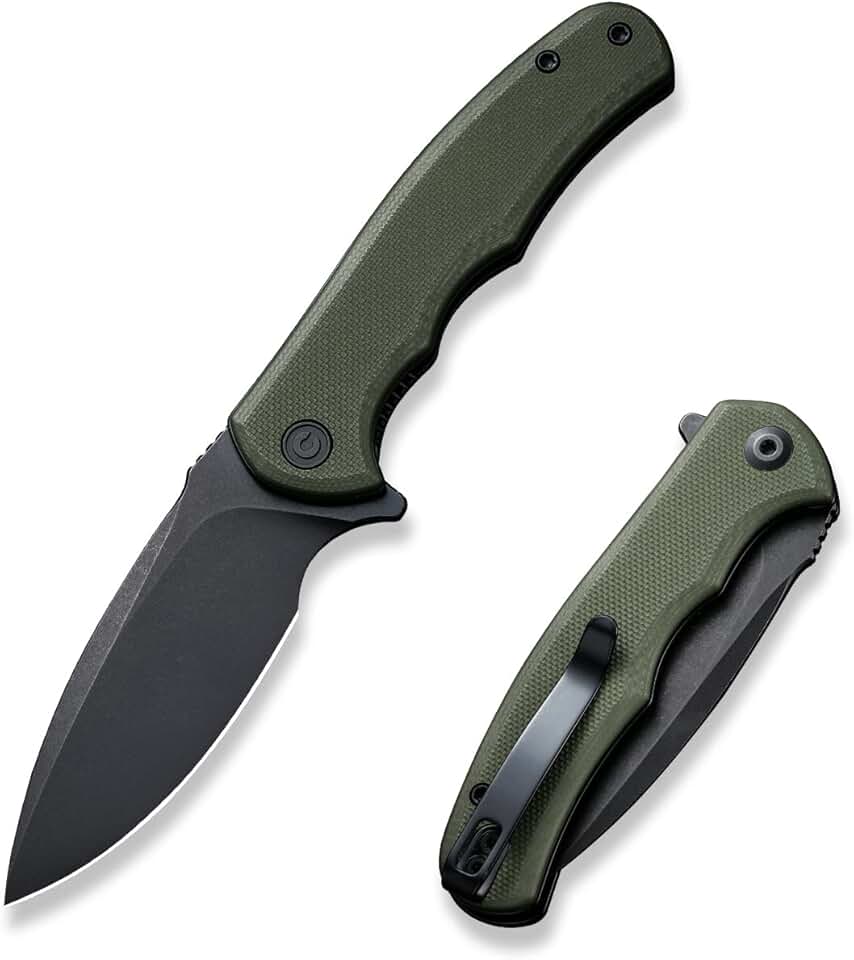
The CIVIVI Mini Praxis brings features typically found on knives twice its price into an affordable package that performs well on the trail. The 2.98-inch blade holds an edge significantly longer than basic stainless steel, reducing how often you need to sharpen between trips. The steel offers better edge retention while still providing reasonable corrosion resistance with basic care like wiping the blade dry after use.
The textured handle provides excellent grip in wet conditions, cold weather, or when your hands are sweaty from hiking. The textured surface engages your palm securely without being uncomfortable during extended cutting tasks. This handle material is lightweight, durable, and does not absorb moisture or develop odors from food prep.
The blade locks securely open during use and can be operated easily with one hand. The pocket clip allows quick access from your pocket and offers flexible positioning depending on your preference. The flipper tab (a small protrusion at the base of the blade) lets you deploy the blade smoothly with one hand, though this is less critical for camp use than for everyday carry in urban settings.
The blade shape and size work well for typical hiking tasks: slicing food, cutting cord, opening packages, and handling first aid needs like trimming moleskin or cutting medical tape. The knife is compact enough to disappear in your pack or pocket but substantial enough to handle real work. For hikers who want modern materials and design at a reasonable price point, the Mini Praxis delivers solid performance.
Compare the CIVIVI Mini Praxis specs and pricing on Amazon.
Pros
- Blade holds an edge significantly longer than basic stainless steel
- Textured handle provides secure grip in wet or cold conditions
- Locking mechanism operates smoothly with one hand
- Pocket clip for multiple carry positions
- Compact size balances capability with weight
Cons
- Requires wiping dry after use to prevent surface rust
- Limited customer feedback compared to other options
- Flipper opening style less intuitive for some users
How These Compare
Selecting the best camp knife for hiking from these options depends on your specific trail priorities and hiking style. The Opinel No. 08 wins for hikers obsessed with weight savings and who appreciate classic design. Its compact size disappears completely in your pack while still providing a capable 3.28-inch blade for food prep and basic camp tasks. The carbon steel requires minimal maintenance but delivers exceptional edge performance. This knife makes perfect sense for minimalist hikers, fast-packers, or anyone who values traditional tools that do one thing extremely well.
The Victorinox Hiker serves hikers who encounter varied situations where a simple blade falls short. The wood saw actually cuts branches effectively, the can opener handles canned food without destroying your knife blade, and the tweezers address splinter removal without needing a separate first aid item. With 13 functions in a compact package, it provides remarkable versatility without excessive weight. This is the knife that proves its worth when you need to tighten a loose pack buckle, open a bottle, or saw a small branch for a tent stake. Choose this option if you prefer one comprehensive tool over carrying separate items for different tasks.
The Buck 110 appeals to hikers who want premium build quality and do not mind carrying extra weight for a knife that will last decades. The 3.75-inch blade handles substantial cutting tasks better than shorter options, making it ideal for overnight trips with serious camp cooking or for hikers who combine camping with bushcraft activities. The lockback mechanism provides maximum security, and the proven design means this is potentially the last hiking knife you will ever buy. However, day hikers and weight-conscious backpackers should look elsewhere.
The CIVIVI Mini Praxis delivers the best balance of modern features, performance, and price for most hikers. The blade stays sharp much longer than budget stainless steel options, the textured handle provides secure grip in all conditions, and the overall design incorporates features from premium knives at a fraction of the cost. This knife makes sense for hikers who want reliable performance without paying for a name brand or carrying unnecessary weight. The 2.98-inch blade length handles typical camp tasks easily while staying under most legal length restrictions.
For day hikers carrying minimal gear and focused on weight, choose the Opinel. For hikers who value versatility and encounter varied trail situations, the Victorinox Hiker provides the most capability per ounce. For overnight campers who prepare substantial meals and want a knife that will last for decades, the Buck 110 justifies its weight. For most hikers seeking the best overall balance of performance, features, and value, the CIVIVI Mini Praxis is the strongest choice.
Frequently Asked Questions
What blade length is best for hiking and camping?
Blade length between 2.5 and 4 inches handles most hiking and camping tasks effectively. Blades around 3 inches balance cutting capability with packability and legal compliance. This length slices food, cuts cord, trims first aid materials, and handles general camp tasks without being unwieldy. Shorter blades under 2.5 inches work fine for food prep but struggle with tasks requiring more cutting power like rope or thick webbing. Longer blades over 4 inches add weight and may trigger legal restrictions in some areas without providing meaningful advantages for typical camp use. Day hikers rarely need more than 3 inches of blade, while overnight campers preparing meals from scratch may appreciate blades in the 3.5 to 4-inch range. Always verify local knife laws before choosing a blade length, as some jurisdictions restrict carry of knives exceeding 3 inches in public spaces including trailheads.
Can I bring a pocket knife on a hiking trail?
You can generally carry a pocket knife on hiking trails, but regulations vary significantly by location and land management agency. National forests and Bureau of Land Management areas typically allow fixed and folding knives for camping and outdoor recreation purposes. National parks permit knives as tools for camping activities under most circumstances. State parks follow individual state laws, which may be more restrictive than federal land rules. Urban parks and trails often fall under city or county ordinances that may limit blade length or prohibit certain opening mechanisms like spring-assisted or automatic knives. Some wilderness areas restrict fixed blade knives entirely. Before hiking in unfamiliar areas, research the specific regulations for that location. Contact the land management agency directly if regulations are unclear. As a general guideline, a folding knife under 3 inches with manual opening is legal in most hiking areas, but always verify local rules to avoid legal issues.
What is the difference between a folding knife and a fixed blade knife for hiking?
Folding knives pack smaller and weigh less than fixed blade knives because they do not require a separate sheath. The blade folds into the handle, making them safer to carry in your pack or pocket and easier to access quickly. Quality folding knives with secure locking mechanisms handle typical hiking tasks like food preparation, cord cutting, and first aid needs without issue. Fixed blade knives offer superior strength and reliability since they have no moving parts that can fail or work loose over time. The continuous construction from blade to handle allows them to handle heavy cutting, prying, and batoning tasks that would damage a folding knife. However, fixed blades require a sheath for safe carry, adding bulk and weight to your kit. For general hiking and camping, folding knives provide the best balance of functionality, weight, and safety. Most hikers only need fixed blades when combining hiking with bushcraft activities, extended wilderness camping, or situations requiring maximum durability and cutting power for processing wood or game.
Do I need a locking blade for a camping knife?
A locking blade is essential for safe knife use during camping and hiking tasks. The lock prevents the blade from accidentally closing on your fingers while cutting food, trimming cord, or handling other camp chores. Without a lock, pressure on the blade during use can cause it to fold unexpectedly, resulting in serious cuts that end your trip and potentially require evacuation for medical care. Locking mechanisms like liner locks, frame locks, lockbacks, or axis locks all provide adequate security when manufactured properly. The specific lock type matters less than overall knife quality and proper maintenance. Non-locking knives like traditional slip-joint folders are acceptable only for very light tasks where you can maintain complete control and apply minimal pressure. For any cutting task that involves holding an object with one hand while cutting with the other, a locking blade is not optional. The minimal weight and cost difference between locking and non-locking knives makes choosing a locking design the obvious safe choice for hiking and camping.
How do I maintain my hiking knife?
Knife maintenance for hiking involves cleaning, drying, occasional sharpening, and protecting against corrosion. After using your knife for food preparation, wipe the blade clean with a damp cloth to remove food residue, then dry it thoroughly. Food acids from citrus, tomatoes, and other ingredients can promote corrosion even on stainless steel blades if left on the surface. For folding knives, periodically remove debris from the pivot area and apply a drop of lightweight oil to keep the action smooth. Stainless steel blades require minimal additional care beyond cleaning and drying. Carbon steel blades need a light coating of mineral oil or blade oil if the knife will not be used for several days. Check your blade edge regularly and sharpen when it begins to drag rather than slice cleanly through paper. A basic sharpening stone or compact field sharpener restores the edge easily at home between trips. Store your knife in a dry location, never leave it in a damp pack or sheath for extended periods. These simple habits keep your knife performing well for years without requiring any special tools or expertise.
The Bottom Line
The best camp knife for hiking balances blade performance, legal compliance, and practical trail utility without adding unnecessary weight or complexity to your gear. For most hikers, a folding knife with a 3-inch stainless steel blade and secure locking mechanism handles typical camp tasks effectively while remaining legal in most jurisdictions and weighing just a few ounces.
If you are a day hiker focused on minimizing pack weight and primarily need a knife for food prep and basic cutting tasks, the Opinel No. 08 delivers exceptional performance in an extremely compact package. The carbon steel blade requires minimal maintenance but holds an edge beautifully. For hikers who encounter varied situations where a simple blade proves insufficient, the Victorinox Hiker provides 13 functions including a useful wood saw and can opener in a compact design. Overnight campers who prepare substantial meals and want a premium knife that will last decades should consider the Buck 110 despite its larger size. The lockback mechanism and 3.75-inch blade handle serious cutting tasks with confidence.
For the majority of hikers seeking the best overall value and performance, the CIVIVI Mini Praxis combines modern materials with practical features at an affordable price point. The blade stays sharp significantly longer than budget options, and the textured handle provides secure grip in all conditions.
Before purchasing any knife, research local regulations for the areas where you hike most frequently. Blade length restrictions, opening mechanism prohibitions, and carry laws vary dramatically between jurisdictions. A knife that is legal in one state may violate regulations in another. When in doubt, choose conservative options under 3 inches with manual opening mechanisms that comply with most regulations. The best camp knife for hiking is one that is legal to carry, capable of handling your typical trail tasks, and inspires confidence every time you pull it from your pack.
Disclosure: As an Amazon Associate, we earn from qualifying purchases. This does not affect our editorial recommendations.