
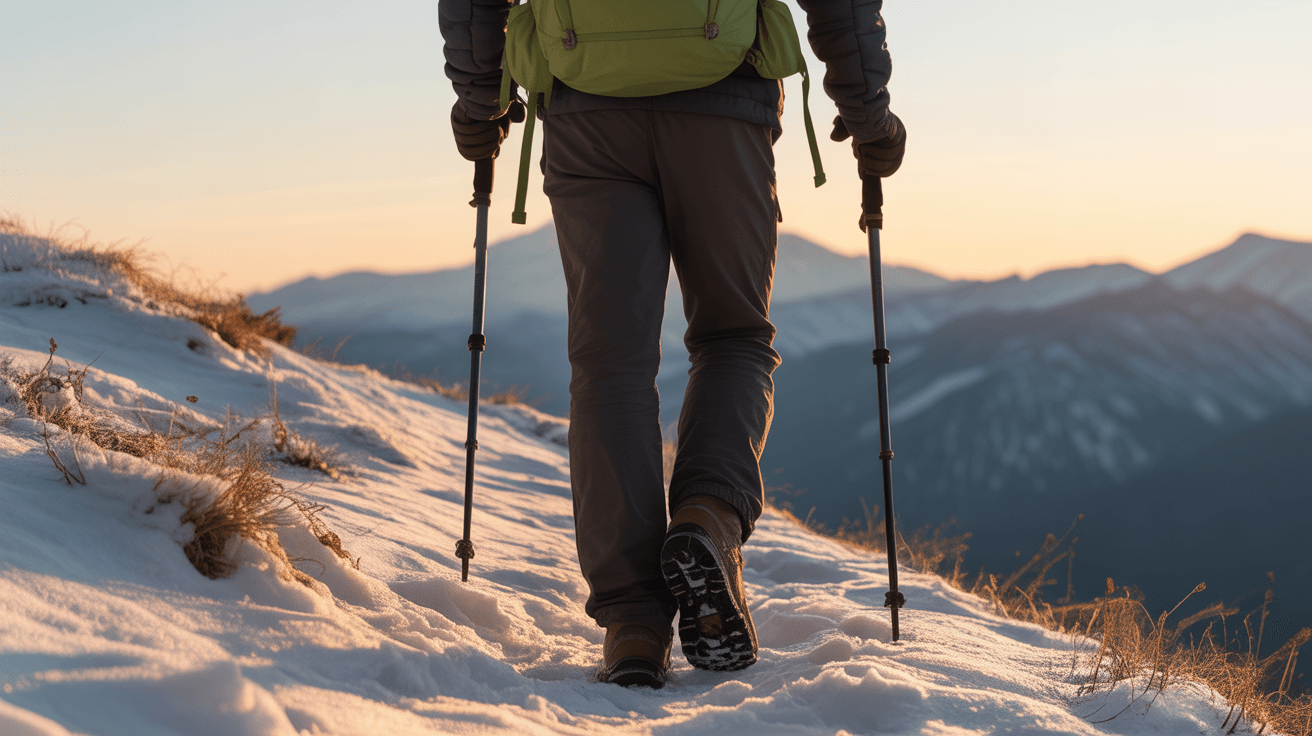
Your hands are freezing on morning starts, your fingers go numb on exposed ridges, and you are tired of stopping every twenty minutes to warm them up. You need gloves that actually work for hiking – thin enough that you can grip trekking poles and unzip pockets, but warm enough to handle wind chill and early morning cold. The problem is that most winter gloves are either bulky ski mitts that turn you clumsy or lightweight liners that do not block the wind.
The best hiking gloves for cold weather balance insulation with dexterity, giving you warmth where you need it without turning simple tasks into frustrating battles. This guide covers gloves that real hikers rely on for everything from predawn trailhead starts to windswept summit ridges, with honest pros and cons for each so you can choose the right pair for your hands and your trails.
What to Look For
Insulation Type and Warmth Level
The best hiking gloves for cold weather use different insulation strategies depending on how cold your trails get. Synthetic insulation like polyester fleece or branded materials such as 3M Thinsulate provides warmth even when damp and dries quickly if your hands sweat. These gloves typically handle temperatures from the mid-20s to low 40s Fahrenheit comfortably. Natural insulation like merino wool offers excellent temperature regulation, wicking moisture away from your skin while maintaining warmth, though it takes longer to dry than synthetic options. For the coldest conditions – below 20 degrees Fahrenheit or with significant wind chill – look for gloves with windproof membranes or layered construction that combines insulation with wind-blocking outer shells.
Dexterity and Grip Features
Dexterity is where hiking gloves differ dramatically from ski gloves or heavy winter mitts. You need to grip trekking poles, operate zippers, adjust pack straps, and use your phone without removing your gloves every five minutes. Look for gloves with articulated fingers that curve naturally rather than stiff, straight construction. Palm and finger grips – usually silicone dots or textured synthetic leather – prevent trekking poles from slipping and help you maintain control on scrambles. Touchscreen-compatible fingertips let you check maps or take photos without exposing your hands. The thickness of the glove matters significantly here: gloves under 3mm thick generally maintain good dexterity, while anything over 5mm starts to feel clumsy for fine motor tasks.
Wind and Water Protection
Wind steals heat faster than cold air alone, which is why a 35-degree morning with 15 mph wind feels colder than a calm 25-degree day. The best hiking gloves for cold weather include wind-blocking layers – either a membrane laminated between fabric layers or a tightly woven outer shell that stops air penetration. Water resistance matters differently for hiking than for skiing: you are less likely to be holding snow, but you might encounter rain, wet vegetation, or damp conditions where moisture gradually soaks through. Look for gloves with DWR (durable water repellent) coatings on the outer shell, which shed light moisture and help gloves dry faster. Fully waterproof gloves with sealed seams work well for wet snow or rain but can trap sweat during aerobic climbs, so consider whether your trails are more likely to be cold-and-dry or cold-and-wet.
Fit and Sizing Considerations
Gloves that fit poorly will either cut off circulation and make your hands colder or bunch up and reduce dexterity. Measure your hand circumference around the knuckles (excluding the thumb) and compare to manufacturer sizing charts, but understand that glove sizing is not standardized across brands. Look for gloves with some stretch in the fabric, which accommodates different hand shapes and maintains fit when you bend your fingers. The wrist closure matters more than many people realize: adjustable cuff closures with Velcro straps or elastic cinches keep cold air from sneaking up your sleeves when you reach overhead. Longer cuffs that overlap with jacket sleeves provide better protection on exposed ridges.
Touchscreen Compatibility and Practical Features
Touchscreen compatibility has become standard on many hiking gloves, but the quality varies significantly. Better gloves use conductive material throughout the fingertip rather than just a small patch, giving you more reliable phone operation. Beyond touchscreens, consider practical features that match your hiking style: nose wipe panels on the thumb (soft fabric for wiping your nose without removing gloves), leash attachments to prevent dropping gloves in wind, and reflective details if you hike early mornings or evenings. Some gloves include reinforced areas between thumb and index finger where trekking pole straps create wear points.
Breathability and Moisture Management
Your hands generate significant heat and moisture during uphill climbs, and if that moisture cannot escape, it condenses inside your gloves and makes you colder when you stop moving. The best hiking gloves for cold weather balance insulation with breathability, using fabrics that allow water vapor to pass through while blocking wind. This is more important for active hiking than for standing-around winter activities. If you tend to have sweaty hands, prioritize gloves with moisture-wicking liners and breathable construction over maximum insulation – you can always add a shell layer over lighter gloves if needed. Pay attention to whether gloves are described as designed for high-output activities versus static warmth, as this indicates different breathability priorities.
Our Top Picks
1. The North Face Etip Fleece Recycled Gloves
Best for hikers who need reliable touchscreen control and all-day comfort on moderate cold trails

The North Face Etip Fleece stands out for delivering exactly what most cold-weather hikers need: enough warmth for morning starts and exposed sections without sacrificing the dexterity required for trekking poles and pack adjustments. The fleece construction provides insulation that works well in moderate cold conditions, and the material breathes well enough that your hands do not get swampy on uphill climbs. The touchscreen-compatible fingertips make phone operation and GPS navigation reliably responsive even with gloves on.
The fit runs true to size with enough stretch to accommodate different hand shapes without feeling baggy, and the fabric moves naturally with your fingers rather than fighting you when you grip poles. The silicone grip pattern on the palms and fingers prevents pole slippage and provides confidence on scrambles or when adjusting pack straps. These gloves are thin enough that you maintain good tactile feedback for zippers and buckles, but substantial enough that wind does not cut through on ridgeline sections. The cuff length is adequate without being long, fitting comfortably under jacket sleeves without bunching.
The durability holds up well to regular hiking use, though the fleece will eventually pill with heavy friction from pole grips. These gloves handle light moisture reasonably well – they resist wind and shed brief drizzle – but they are not waterproof, so extended rain or wet snow will eventually soak through. They dry relatively quickly compared to heavier insulated gloves. For the price point and customer feedback volume, these represent a reliable, proven option that thousands of hikers trust for cold-weather trails.
See current pricing for the North Face Etip Fleece Recycled Gloves on Amazon.
Pros
- Excellent touchscreen responsiveness across entire fingertip
- Maintains dexterity for trekking poles and fine motor tasks
- Breathable construction prevents overheating on climbs
- Silicone grip pattern provides secure pole hold
- Proven durability with over 3,400 customer reviews
Cons
- Not waterproof for extended wet conditions
- May not provide enough warmth in extreme cold below 20 degrees
- Fleece material will pill over time with heavy use
2. Outdoor Research Flurry Sensor Gloves (Men)
Best for hikers seeking windproof protection and good dexterity at a competitive price

The Outdoor Research Flurry Sensor Gloves deliver windproof protection that makes a noticeable difference on exposed ridges and windy mornings while maintaining the dexterity that active hikers need. These gloves use wind-blocking construction that stops cold air penetration without adding bulk, making them effective in conditions where wind chill is the primary concern rather than extreme cold alone. The sensor-compatible fingertips work reliably with smartphones and GPS devices, and the overall construction keeps glove thickness minimal enough that you can operate zippers, buckles, and trekking pole adjustments without frustration.
The fit is designed specifically for hiking and high-output activities rather than standing-around winter warmth, which means these gloves prioritize breathability and freedom of movement. The palm construction includes grip reinforcement that holds up well to trekking pole straps and provides secure handling on scrambles. The cuff length extends slightly longer than basic fleece gloves, offering better overlap with jacket sleeves and preventing cold air from sneaking up your wrists when you reach overhead. The gloves handle light moisture adequately with water-resistant coating on the outer shell, though they are not fully waterproof.
These gloves work best in moderate cold conditions, particularly when wind is a factor. They excel on morning starts when the air is still cold but you are generating heat from the hike up, and they remain comfortable without causing overheating. The customer feedback consistently mentions good durability for the price point, with the gloves holding up to regular trail use without significant wear in high-friction areas. The sizing runs true to standard glove measurements, though hikers with particularly wide or narrow hands should check the size chart carefully. For the price, these represent solid value for hikers who prioritize wind protection and dexterity over maximum insulation.
Read verified buyer reviews for the Outdoor Research Flurry Sensor Gloves on Amazon.
Pros
- Windproof construction blocks cold air without adding bulk
- Maintains excellent dexterity for poles and pack adjustments
- Breathable construction works well for active hiking
- Palm reinforcement holds up to trekking pole wear
- Good value for wind protection features
Cons
- Not suitable for extreme cold below 20 degrees Fahrenheit
- Water resistance is light rather than waterproof
- Sizing may not fit all hand shapes perfectly
View Outdoor Research Flurry Sensor Gloves (Men) on Amazon →
3. SIMARI Winter Gloves
Best budget option for new hikers testing cold-weather needs without major investment

The SIMARI Winter Gloves offer remarkable value for hikers who want to try cold-weather hiking without spending premium prices, delivering basic warmth and touchscreen functionality at a fraction of the cost of specialized hiking gloves. These gloves use layered construction with insulating lining that provides adequate warmth for temperatures in the 30s and low 40s Fahrenheit, and the outer shell includes wind resistance that blocks casual breezes though not sustained ridge-top winds. The touchscreen-compatible fingertips work reasonably well with phones and GPS devices, though the responsiveness is not quite as reliable as higher-priced options.
The fit runs slightly large compared to premium brands, which some hikers appreciate for layering over liner gloves in colder conditions but others find a bit sloppy for precision grip work. The palm includes silicone grip dots that help with trekking pole control, though the pattern is less comprehensive than premium gloves and some users report the dots wearing off after extended use. The gloves maintain acceptable dexterity for most hiking tasks – you can operate zippers and pack buckles without major frustration – though fine motor control is not as refined as thinner, more expensive gloves.
The massive review count provides confidence in consistency and quality control, with most feedback indicating these gloves perform well for their price point rather than competing with premium options. Durability is adequate for occasional cold-weather hiking but may not hold up to daily use or rugged conditions as well as specialized hiking gloves. The water resistance handles light moisture but these are not waterproof, and they take longer to dry than technical fabrics. For new hikers exploring whether they enjoy cold-weather trails, or for occasional users who hike in the cold a few times per season, these gloves provide functional performance without requiring significant financial commitment. They represent a smart entry point that lets you understand what features matter most to you before investing in premium gloves.
Check current stock for the SIMARI Winter Gloves on Amazon.
Pros
- Exceptional value for basic cold-weather hiking needs
- Over 44,000 reviews provide confidence in consistency
- Adequate warmth for moderate cold conditions
- Touchscreen compatibility at budget price point
- Good option for testing cold-weather hiking before major investment
Cons
- Fit runs large and may feel less precise than premium gloves
- Silicone grip dots may wear off with heavy use
- Durability may not match premium hiking glove brands
- Water resistance is minimal for wet conditions
4. Carhartt Waterproof Insulated Knit Cuff Glove
Best for hikers who need waterproof protection and maximum durability in harsh conditions

The Carhartt Waterproof Insulated Knit Cuff Glove brings work glove durability and true waterproof protection to cold-weather hiking, making it the top choice for trails where you will encounter wet snow, rain, or prolonged moisture exposure. The waterproof construction keeps your hands dry in conditions that would soak through other gloves, and the insulation provides genuine warmth in cold temperatures down into the teens Fahrenheit. The cuff extends longer than most hiking gloves, sealing effectively against jacket sleeves and preventing cold air or snow from entering when you are reaching or scrambling.
These gloves sacrifice some dexterity compared to thinner hiking-specific options – the construction is robust and slightly bulky, which makes delicate tasks like operating tiny zipper pulls or adjusting small buckles more challenging. However, the trade-off brings exceptional durability that withstands rough trail conditions, abrasive rock, and the constant friction from trekking pole grips without showing wear. The palms use reinforced material that maintains grip even when wet, and the overall construction feels bomber in a way that lightweight gloves cannot match. The massive review count – over 36,000 customers – demonstrates proven reliability across years of use in various conditions.
The fit runs true to Carhartt sizing, which tends toward generous compared to athletic brands, and the gloves work well for hikers with larger or wider hands. The insulation and waterproofing make these gloves warmer than you need for high-output climbs in moderate cold, so they excel on slower-paced hikes, snowshoeing, or standing around at viewpoints rather than aerobic ascents. They do not include touchscreen compatibility, which is a notable limitation in an era where most hikers rely on phone navigation. For hikers who prioritize keeping hands genuinely dry and warm over maximum dexterity, and who hike in conditions where durability matters more than weight savings, these gloves deliver unmatched protection at a reasonable price.
Compare the Carhartt Waterproof Insulated Knit Cuff Glove specs and pricing on Amazon.
Pros
- True waterproof protection keeps hands dry in wet conditions
- Exceptional durability withstands rough trail use
- Insulation provides warmth down to mid-teens Fahrenheit
- Over 36,000 reviews demonstrate proven reliability
- Extended cuff seals effectively against jacket sleeves
Cons
- Bulkier construction reduces dexterity for fine motor tasks
- No touchscreen compatibility for phone or GPS use
- May be too warm for high-output climbs in moderate temperatures
- Heavier and less packable than lightweight hiking gloves
View Carhartt Waterproof Insulated Knit Cuff Glove on Amazon →
How These Compare
Choosing among the best hiking gloves for cold weather depends primarily on your typical trail conditions and what matters most to your hands. If you hike frequently in moderate cold – morning starts in the 30s, exposed ridges with wind, but not extreme cold – and you value dexterity for trekking poles and touchscreen control, the North Face Etip Fleece Recycled Gloves offer the best balance of warmth, grip, and proven reliability. The massive customer feedback and consistent performance make them the safe choice for most hikers.
For hikers who face significant wind on exposed trails but do not need maximum insulation, the Outdoor Research Flurry Sensor Gloves deliver superior wind protection while maintaining the dexterity that active hiking requires. They cost slightly less than the North Face option while adding windproof features, making them excellent value for ridge hiking or plateau crossings where wind chill is the primary concern. The breathability works particularly well for hikers who generate a lot of heat on climbs.
Budget-conscious hikers or those new to cold-weather hiking should seriously consider the SIMARI Winter Gloves. They will not match premium gloves for durability or refined performance, but they provide functional warmth and basic features at a price that lets you explore cold-weather hiking without financial stress. Think of these as the gloves that help you figure out what you actually need before investing in expensive options. The enormous review count provides confidence that you are getting consistent quality for the price.
The Carhartt Waterproof Insulated Knit Cuff Glove serves a different purpose – it is the choice for hikers who face genuinely wet conditions or need maximum durability over finesse. If you hike in rain, wet snow, or conditions where other gloves would soak through and leave you cold, the waterproof construction makes the trade-off in dexterity worthwhile. These gloves also work well for hikers with larger hands who find athletic-brand gloves too snug, and the bombproof construction appeals to anyone who is hard on gear. The lack of touchscreen compatibility is the main drawback, so consider whether you can live with removing a glove occasionally to check your phone versus keeping your hands consistently dry and warm.
Frequently Asked Questions
Should I size up in hiking gloves to wear them over liner gloves?
Sizing up for layering depends on the specific glove design and your layering intentions. Most modern hiking gloves are designed to fit your normal glove size and accommodate a thin liner glove without sizing up, as the materials have enough stretch and the fingers are cut long enough for layering. If you plan to wear thick liner gloves or multiple layers, sizing up half a size can provide comfort, but be aware that gloves that are too large will bunch up and reduce dexterity significantly. The better approach for most hikers is to buy gloves in your true size and choose thin merino wool or synthetic liner gloves that add warmth without bulk. Try the combination before committing to a size increase, as oversized gloves that slide around on your hands will actually make you colder by creating air gaps and reducing circulation. If you find yourself between sizes, consider that gloves with adjustable wrist closures give you more flexibility to accommodate layers while maintaining a secure fit that does not let cold air sneak in around your wrists.
How do I keep my hands warm when hiking gloves are not enough?
When gloves alone cannot keep your hands warm, the solution often involves improving circulation and adjusting your layering strategy rather than just adding thicker gloves. First, check that your gloves are not too tight – constriction cuts off blood flow and makes hands colder even with heavy insulation. Loosen wrist closures slightly and make sure your fingers have room to move. Add thin liner gloves under your hiking gloves to create an insulating air layer, which often works better than single thick gloves. Keep your core warm with adequate body layers, as your body prioritizes vital organs over extremities when cold, so if your torso is cold your hands will be too.
During breaks, put your hands in your armpits or against your stomach under your base layer to rewarm them with core heat. Windproof gloves or shell mittens over your gloves add significant warmth by blocking wind chill. Keep moving your fingers inside your gloves to maintain circulation – make fists and release repeatedly. Eat snacks regularly to keep your metabolism generating heat. If your hands consistently get cold despite adequate gloves and these strategies, consider that you may have circulation issues worth discussing with a doctor, as conditions like Raynaud syndrome affect many hikers and require specific management beyond gear choices.
Are mittens warmer than gloves for cold weather hiking?
Mittens are warmer than gloves because your fingers share warmth in a single compartment rather than being isolated, and the reduced surface area loses less heat. However, mittens sacrifice the dexterity that hiking requires for trekking pole grips, pack adjustments, and navigation tasks. Most hikers find mittens too limiting for active trail use. The practical compromise is lobster-style gloves that group your index and middle fingers together and your ring and pinky fingers together, providing more warmth than individual fingers while maintaining better dexterity than full mittens.
Another effective strategy is carrying shell mittens that fit over your gloves – you wear your gloves for hiking and dexterity, then slip the shell mittens over them during breaks or when you reach exposed summits. This gives you the warmth benefits of mittens when you need them without giving up hand function during active hiking. For most cold-weather hiking where temperatures stay above the teens Fahrenheit and you are moving consistently, quality gloves with proper fit and adequate insulation will keep your hands warm enough without the dexterity penalties of mittens. Reserve mittens or lobster gloves for extreme cold, high altitude, or situations where you expect extended exposure without the heat generation of active hiking.
Do waterproof hiking gloves keep your hands warmer than regular insulated gloves?
Waterproof gloves keep your hands warmer only when moisture is present – they excel in rain, wet snow, or high humidity conditions where regular gloves would absorb water and lose insulation. However, waterproof gloves can actually make your hands colder in dry cold conditions because the waterproof membrane blocks moisture from escaping, trapping sweat inside the gloves during active hiking. When you stop moving, that trapped moisture makes you colder than you would be in breathable gloves.
The warmest approach depends on your conditions: in dry cold with no precipitation, breathable insulated gloves with good moisture-wicking liners keep hands warmer by allowing sweat to escape. In wet conditions – rain, slushy snow, or wet vegetation brushing against your hands – waterproof gloves are essential because staying dry is more important than maximum breathability. Some gloves offer water-resistant coatings that shed light moisture while maintaining breathability, providing a middle ground for variable conditions. Consider bringing both waterproof shells that fit over lighter gloves and standalone insulated gloves, letting you adapt to changing trail conditions. Most importantly, understand that no glove keeps your hands warm if it gets soaked through, so protecting gloves from moisture matters as much as the insulation itself.
The Bottom Line
The best hiking gloves for cold weather deliver warmth without stealing the dexterity you need for trekking poles, zippers, and pack adjustments. For most hikers facing morning cold and exposed ridges, the North Face Etip Fleece Recycled Gloves provide reliable warmth, excellent touchscreen control, and the proven performance that over 3,400 customer reviews confirm. They handle moderate cold comfortably while maintaining the tactile feedback that makes hiking safer and more enjoyable. If wind is your primary challenge on exposed ridgelines or plateau crossings, the Outdoor Research Flurry Sensor Gloves add windproof protection at a competitive price while keeping dexterity high.
New hikers or those uncertain about how much they will use cold-weather gloves should start with the SIMARI Winter Gloves – they provide functional warmth and basic features at a price that removes financial stress from experimentation. Use them to learn what matters most to your hands before investing in premium options. For hikers facing wet conditions or needing bombproof durability, the Carhartt Waterproof Insulated Knit Cuff Glove delivers true waterproof protection and construction that withstands rough use, though you trade some dexterity for that protection.
Your hands are worth protecting well – cold fingers turn enjoyable hikes into miserable endurance tests and increase injury risk when you cannot grip properly. Start with gloves matched to your typical conditions rather than worst-case scenarios, and adjust as you gain experience with how your hands respond to cold. Quality gloves that fit well and match your trails will keep you hiking comfortably through shoulder seasons and winter days when the views are clearest and the trails are quietest.
Disclosure: As an Amazon Associate, we earn from qualifying purchases. This does not affect our editorial recommendations.