
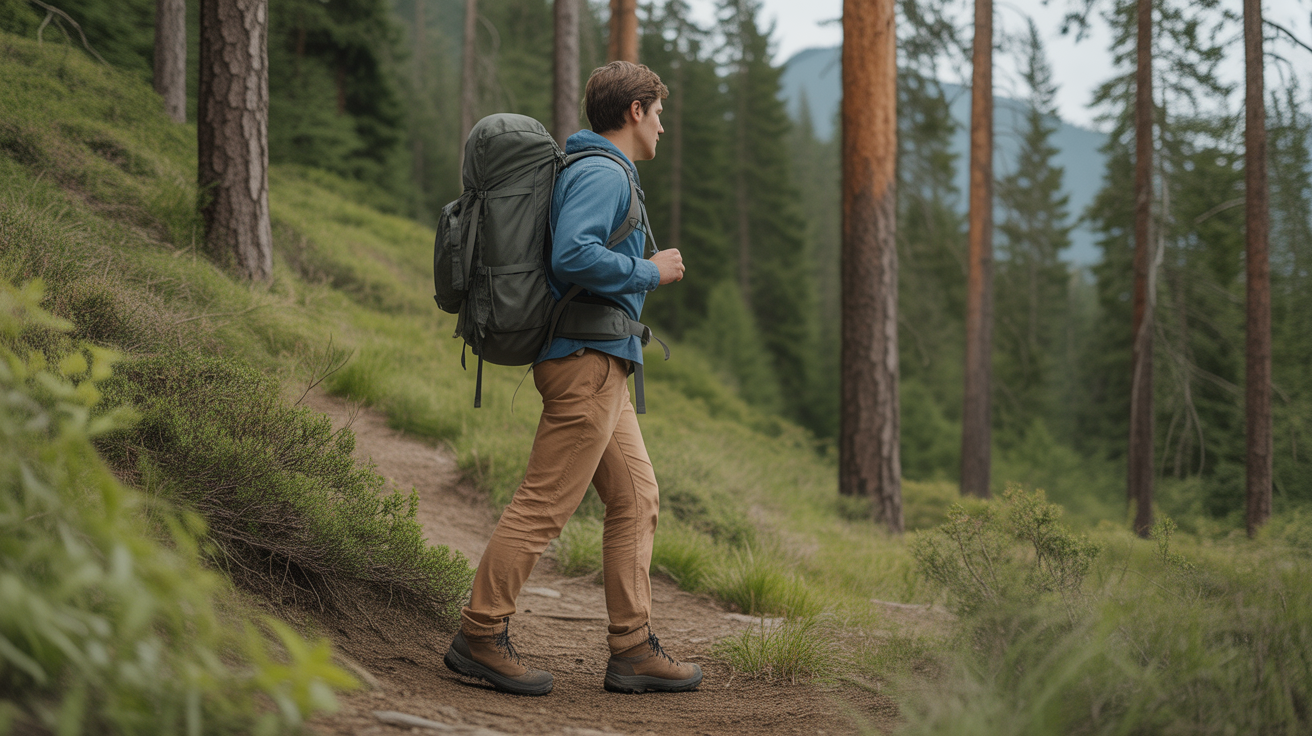
If your toes feel squished or go numb after an hour on the trail, you are not imagining things – and you are definitely not alone. Standard hiking boots often narrow at the front, leaving your toes cramped and your feet aching before you have even reached the halfway point. The good news: you do not have to suffer through it or give up hiking altogether.
Wide toe box hiking boots give your toes the room they actually need to spread naturally, which means less pressure, fewer blisters, and noticeably better comfort over miles of trail. This guide breaks down the best options for beginners who need extra toe room, with honest sizing advice and real talk about which boots deliver on their roominess promises.
What to Look For
Understanding Toe Box Width and Why It Matters
The toe box is the front section of the boot where your toes sit. In a standard boot, this area tapers to follow a narrow shoe shape – but your feet do not actually taper that much. When your toes cannot spread naturally, they press against each other and the boot walls, causing numbness, blisters, and that cramped feeling that ruins a good hike. A wide toe box means extra width and height in this front area, letting your toes splay the way they would barefoot. This design follows the natural shape of your foot rather than forcing your foot into a narrow shape. If you have ever felt your toes going numb downhill or noticed darkened toenails after a hike, a narrow toe box is likely the culprit.
Wide Toe Box vs Wide Width Sizing
This confuses a lot of new hikers, so let us clear it up: a wide toe box is not the same as ordering a wide width boot. Wide width (often labeled 2E for men or D for women) adds width across the entire boot, including the midfoot and heel. That can help if your whole foot is wide, but it can also mean your heel slips around if only your toes need room. A boot specifically designed with a wide toe box keeps a normal fit through the midfoot and heel while opening up space at the front. Some boots offer both – a wide width version with an already-roomy toe box – which is ideal if you have wide feet overall. If your midfoot and heel fit fine in standard boots but your toes feel crushed, look for boots labeled as having a wide or spacious toe box rather than just ordering a wide width.
Materials and Waterproofing in Roomier Boots
Many wide toe box boots use synthetic materials or mesh uppers because these are easier to construct with a roomier shape compared to stiff leather. Synthetic boots typically feel comfortable right out of the box with minimal break-in time, which is a big advantage for beginners. However, leather boots – when designed with a wide toe box – often provide better long-term durability and support on rough terrain. For waterproofing, look for boots with a waterproof membrane or coating if you will be hiking in wet conditions or crossing streams. Keep in mind that waterproof boots are less breathable, so your feet may feel warmer on hot days. If you hike mostly in dry climates, a non-waterproof boot with good breathability might be more comfortable and will definitely dry faster if it does get wet.
Break-In Period and Fit Testing
Even boots designed for roomier fit need proper break-in time, though wide toe box models typically require less than traditional narrow boots. Wear your new boots around the house for a few days with the socks you plan to hike in – this helps the materials soften and lets you identify any pressure points before you are miles from the trailhead (the parking area or starting point of a hiking trail). When trying on boots, do it in the afternoon when your feet are slightly swollen, closer to how they will feel on a hike. Your toes should not touch the front when standing, and you should be able to wiggle them freely. Walk downhill if possible or stand on an incline – your toes should not jam forward. A properly fitted wide toe box boot feels roomy at the front but still secure through the midfoot and heel. If your heel is lifting more than a quarter inch with each step, the boot is too big overall even if the toe box feels good.
Sole Design and Terrain Compatibility
Wide toe box boots come in different sole styles depending on the terrain they are built for. Look at the tread pattern on the bottom: deeper, more aggressive lugs (the raised rubber bumps that provide grip) are better for muddy or rocky trails where you need serious traction, while shallower treads work fine for well-maintained dirt paths. Some wide toe box boots use a zero-drop sole, meaning there is no height difference between your heel and forefoot – this promotes a more natural walking motion but takes adjustment if you are used to traditional boots with elevated heels. For beginner hikers sticking to moderate trails, a boot with moderate lug depth and a slight heel-to-toe drop (around 4-8mm) offers a good balance of traction and comfort without requiring major adaptation in your walking style.
Weight Considerations for Day Hiking
Boot weight matters more than most beginners realize – heavier boots make your legs work harder over miles of trail. Wide toe box boots range from under 2 pounds per pair for lightweight models to over 3 pounds for burlier options. If you are day hiking on moderate trails (the most common scenario for beginners), a lighter boot makes the experience more enjoyable by reducing how much effort each step requires. Heavier boots provide more ankle support and durability for rough terrain or multi-day trips with a heavy pack, but they are overkill for your first few hikes. Start with a lighter boot that still offers the toe room you need, and upgrade to something heavier only if you find yourself tackling more demanding trails regularly.
Our Top Picks
1. NORTIV 8 Men’s Wide Toe Box Hiking Boots Low Drop Waterproof Outdoor Trekking Camping Shoes Katahdin
Best for beginners who need genuine toe room without spending a fortune
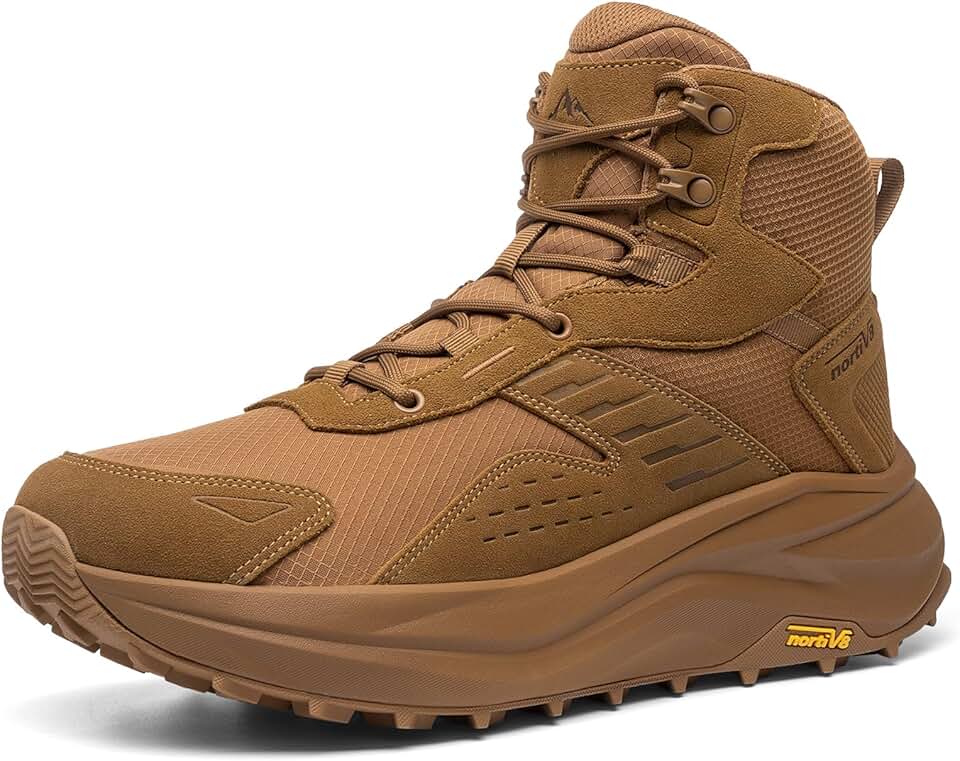
This boot delivers exactly what its name promises – a noticeably wider toe box that gives your toes actual breathing room on the trail. The sole design features minimal height difference between heel and forefoot, which many hikers find promotes a more natural foot position and walking motion. You will feel the difference immediately compared to standard boots: your toes can spread and move naturally instead of pressing against each other or the boot walls.
The waterproof construction handles wet grass, stream crossings, and light rain without letting moisture seep through. This matters for beginners who might not yet know how to pick the driest route or avoid puddles strategically. The boot is built for outdoor trekking and camping, meaning it handles dirt trails, rocky paths, and moderate terrain without issue. The Amazon Choice badge and solid rating from over 450 verified buyers suggest this is a reliable option that actually works for people with toe room needs.
At just under $66, this represents excellent value for a waterproof hiking boot designed specifically for wider toe spread. You are not paying premium brand pricing, but you are getting functional features that matter: room where you need it, weather protection, and adequate traction. The boot comes in multiple size options to help you find the right fit. For your first pair of wide toe box boots or if you have been frustrated by cramped standard boots, this offers a straightforward solution without requiring a major investment or complicated decision-making. See current pricing for the NORTIV 8 Katahdin on Amazon.
Pros
- Specifically designed with wide toe box, not just standard wide sizing
- Waterproof construction for wet trail conditions
- Minimal heel-to-toe drop promotes natural foot position
- Budget-friendly price point under $70
Cons
- Fewer long-term durability reviews compared to established brands
- May require break-in period for optimal comfort
2. Timberland Men’s White Ledge Mid Waterproof Hiking Boots
Best for beginners who want a proven boot from a trusted brand with a roomier fit
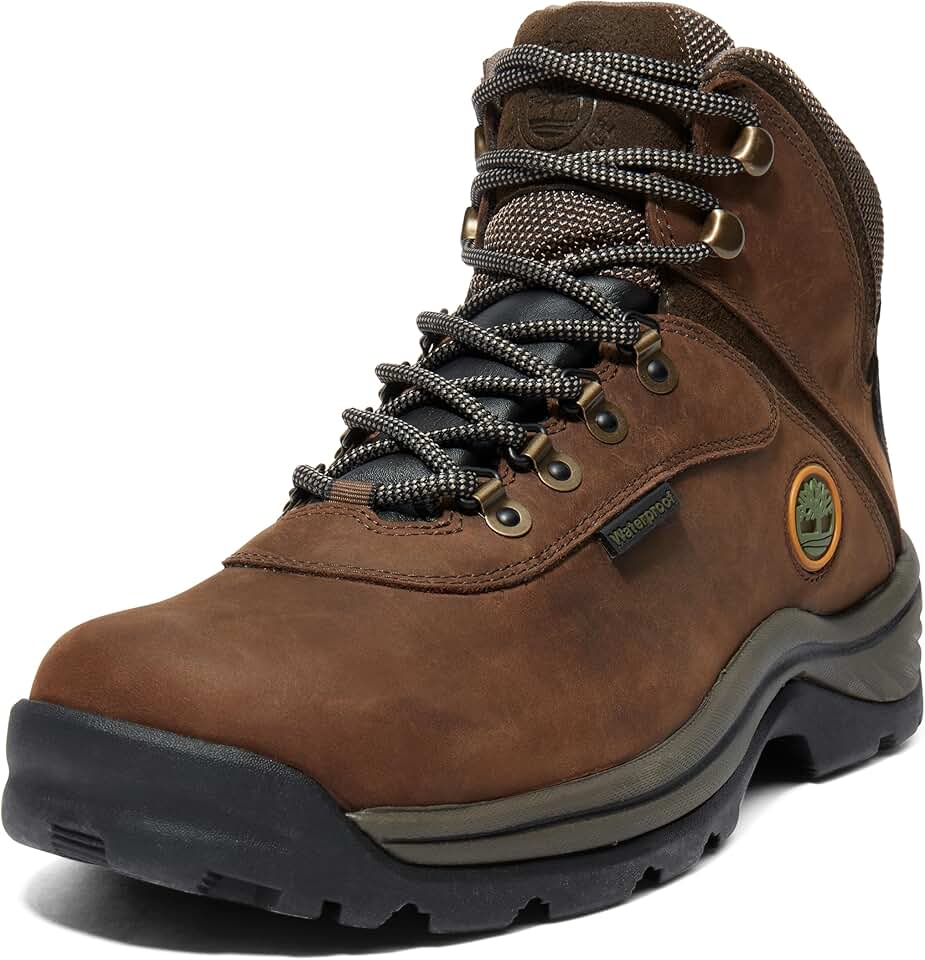
With over 67,000 customer reviews, this Timberland boot has been tested by more hikers than almost any other option on the market. That massive review count means the 4.5-star rating is based on real-world experience from thousands of people with different foot shapes and hiking needs. Many reviewers specifically mention the roomier toe box compared to other Timberland models, making this a solid choice if you need more space up front.
The cut height extends above the ankle, providing stability on uneven terrain without the bulk of a full tall boot – ideal for beginners who need some structure on rocky paths but do not want to feel locked into heavy footwear. The waterproof construction keeps your feet dry through stream crossings, morning dew, and unexpected rain showers. This is a true hiking boot, not a fashion boot that looks outdoorsy, so it handles actual trail conditions with appropriate traction and durability.
Timberland’s reputation means this boot is built to last beyond your first season of hiking. The higher price point compared to budget options reflects better materials and construction that hold up to regular use. Over 100 pairs sold in the past month indicates ongoing popularity – people keep buying these because they work. The brand offers solid customer service if you do encounter any issues. For beginners who plan to hike regularly and want a boot that will not fall apart after a few trips, this represents a smart investment in comfortable, reliable footwear with the toe room you actually need. Read verified buyer reviews for the Timberland White Ledge on Amazon.
Pros
- Massive review count provides reliable real-world feedback
- Trusted brand with proven durability
- Extended height provides structure for beginners
- Waterproof for various trail conditions
Cons
- Higher price point than budget options
- Heavier than lightweight trail options
View Timberland Men’s White Ledge Mid Waterproof Hiking Boots on Amazon →
3. Merrell Men’s Moab 3 Mid Waterproof Hiking Boots
Best for beginners seeking a well-known hiking boot with generous toe room

The Moab series is one of the most popular hiking boot lines in the outdoor industry, and the Moab 3 brings updated features while maintaining the roomier fit that made earlier versions so beloved. Merrell designed this boot with a more spacious toe box compared to many competitors, which countless reviewers mention as a key reason they chose this model over others. The nearly 5,000 reviews give you plenty of real feedback to inform your decision.
The construction offers stability on rocky or uneven trails – helpful when you are still building confidence in your footing. The waterproof design keeps water out while allowing some air circulation, so your feet do not overheat on warm days. The Moab 3 is built for actual hiking, with traction that grips dirt, rock, and moderately muddy conditions. Many hikers report using these boots for years across hundreds of trail miles, indicating solid durability that justifies the investment.
At just under $108, you are paying for a boot that balances quality, comfort, and the specific toe room you need without jumping to premium price brackets. Merrell has been making hiking boots for decades and understands what actually works on trails. The brand offers consistent sizing across their line, so if you find your Moab 3 size, future Merrell purchases will likely fit the same way. For beginners ready to invest in proper footwear that accommodates wider toe spread, this represents a safe, proven choice backed by thousands of satisfied hikers. Check current stock for the Merrell Moab 3 on Amazon.
Pros
- Well-established boot series with proven track record
- Generous toe box compared to standard hiking boots
- Waterproof with decent air circulation
- Nearly 5,000 reviews provide extensive feedback
Cons
- Break-in period required for optimal comfort
- Mid-weight construction may feel heavy to some beginners
View Merrell Men’s Moab 3 Mid Waterproof Hiking Boots on Amazon →
4. KEEN Men’s Targhee 4 Mid Height Waterproof Hiking Boots
Best for beginners who want a roomy toe box with premium construction and all-terrain capability

KEEN is famous for building boots with wider, more foot-shaped toe boxes compared to traditional narrow hiking boots. The Targhee 4 continues this tradition with a design that lets your toes spread naturally instead of tapering them into a point. Many reviewers specifically chose KEEN over other brands because of this roomier front-end design, and the nearly 840 reviews with a 4.4-star rating confirm this boot delivers on its fit promises.
The height extends above the ankle to provide stability without restricting movement – particularly helpful on rocky trails where secure footing matters for newer hikers. The waterproof design keeps feet dry in streams, wet grass, and rainy conditions while still allowing enough air movement to prevent excessive sweating. The Targhee 4 is built for varied terrain with traction that handles mud, loose rock, and steep inclines confidently. This is a true trail boot, not a light trail runner, so it provides the structure and protection beginners need while building hiking skills.
At $135, this sits at the higher end of beginner-friendly pricing, but the 25% savings from the original price makes it more accessible. KEEN’s reputation for durability means this boot will last through multiple seasons of regular hiking. The brand is known for consistent sizing and standing behind their products. If you plan to hike frequently on varied terrain and need genuine toe room, the higher investment pays off in comfort and longevity. This is the boot for beginners who are serious about making hiking a regular activity. Compare the KEEN Targhee 4 specs and pricing on Amazon.
Pros
- KEEN’s signature wide toe box design
- Waterproof with solid air circulation
- Traction designed for varied terrain
- Durable construction for long-term use
Cons
- Higher price point than budget options
- Heavier than lightweight trail alternatives
View KEEN Men’s Targhee 4 Mid Height Waterproof Hiking Boots on Amazon →
5. Columbia Men’s Transverse Hike Waterproof
Best for beginners wanting a lighter boot with decent toe room at a mid-range price
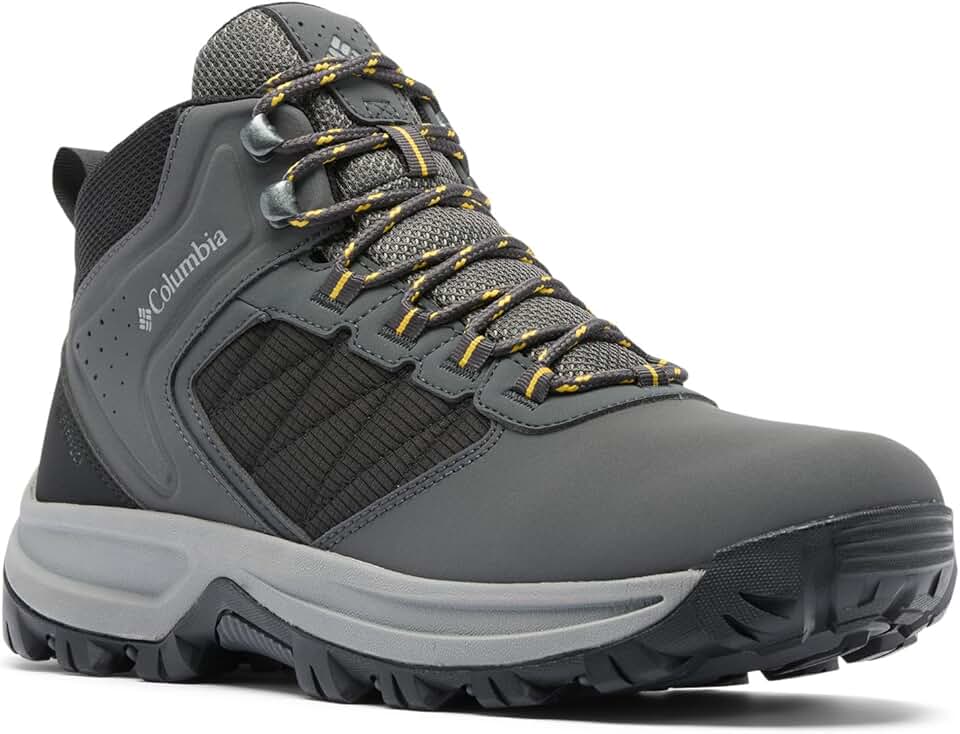
Columbia designed the Transverse Hike as a more versatile alternative to traditional heavy hiking boots, and the result is a boot that works well for beginners tackling moderate trails. While not specifically marketed as a wide toe box boot, over 2,500 reviewers consistently mention the roomier fit compared to other Columbia models and many competitor boots. The 4.6-star rating indicates strong overall satisfaction with comfort and performance.
The waterproof construction keeps feet dry without adding excessive bulk. This boot weighs noticeably less than traditional leather hiking boots, which means your legs do not tire as quickly over a day of hiking – important when you are still building endurance. The boot handles dirt trails, light gravel paths, and moderate rocky sections without issue. The design also means faster break-in time, so you can start hiking comfortably sooner rather than enduring weeks of painful adjustment.
At $85, this hits a sweet spot between budget boots and premium options. Columbia is a well-known outdoor brand with solid quality control and customer service. The boot comes in various sizes to help you find the right fit. For beginners who plan to hike mostly on established trails and want footwear that feels less clunky than heavy leather options, this provides good toe room without the weight penalty. The combination of reduced weight, waterproofing, roomier fit, and mid-range pricing makes this an accessible entry point for new hikers who need comfort without bulk. See if the Columbia Transverse Hike is right for your first hike on Amazon.
Pros
- Reduced weight compared to traditional hiking boots
- Roomier fit noted by many reviewers
- Waterproof for wet conditions
- Mid-range price with strong review count
Cons
- Not as much toe room as boots specifically designed for wide toe boxes
- Less durable on very rough terrain compared to heavier boots
How These Compare
Choosing between these five boots comes down to how much toe room you actually need and what kind of hiking you plan to do. If you know standard boots crush your toes and you want the most room possible, the NORTIV 8 Katahdin is specifically engineered for wide toe spread and costs under $70 – it is the obvious starting point. The minimal heel elevation promotes natural foot movement, though it takes a day or two to adjust if you are used to traditional boots with more heel lift.
For beginners who want a proven option backed by massive real-world testing, the Timberland White Ledge’s 67,000-plus reviews provide unmatched confidence. Yes, it costs more at $110, but that price reflects better materials and construction that hold up to regular use. The roomier toe box is not as extreme as the NORTIV 8, but it is noticeably more spacious than standard Timberland boots. This is the choice if you value reliability and durability over saving $40.
The Merrell Moab 3 sits right in the middle of this group both in price ($108) and toe room. Merrell built their reputation on comfortable boots, and the Moab series specifically appeals to hikers with wider feet or toe room needs. If you want a boot that feels substantial and supportive but still accommodates toe spread better than standard options, this balances those priorities well. The nearly 5,000 reviews show consistent satisfaction with comfort and performance.
KEEN’s Targhee 4 at $135 represents the premium option here, justified by KEEN’s industry-leading toe box design and all-terrain capability. If you plan to hike frequently on varied terrain – rocky trails, muddy sections, steep inclines – and you need serious toe room, the extra investment makes sense. KEEN boots are famous for their foot-shaped design, and this boot delivers on that promise with confident traction and waterproofing that handles challenging conditions.
The Columbia Transverse Hike offers the lightest option at $85, which matters if you are not used to hiking with heavy boots on your feet. The toe room is better than standard boots but not as generous as the NORTIV 8 or KEEN options. This is the right choice if your toes feel slightly cramped in normal boots (not severely crushed) and you value a less bulky feel over maximum roominess. For easier trails and day hikes, the reduced weight makes each step require less effort.
Consider your budget, how often you will hike, and how much your toes hurt in standard boots. Severe cramping and numbness point you toward the NORTIV 8 or KEEN options with the most toe room. Occasional discomfort is fine with the Timberland, Merrell, or Columbia options that offer moderate improvements. Match the boot weight to your trail difficulty – lighter trails need lighter boots, rougher terrain benefits from more substantial construction.
Frequently Asked Questions
Do I need wide width boots or wide toe box boots?
This is one of the most common sources of confusion for new hikers. Wide width boots (labeled 2E for men or D for women) add width across the entire boot, including the heel, midfoot, and toe box. This helps if your whole foot is genuinely wide, but it often causes heel slippage if only your toes need room – and a loose heel means blisters and instability. Wide toe box boots maintain a standard fit through the midfoot and heel while specifically opening up the front section where your toes sit. If your current boots fit fine everywhere except your toes feel cramped or go numb, you need a wide toe box, not wide width. If your entire foot feels squeezed including along the sides, then wide width makes sense. Some boots offer both features – a wide width version of an already-roomy toe box design. Try on boots in person when possible, or order from retailers with easy returns so you can test the fit at home with your hiking socks.
How much break-in time do wide toe box boots need?
Break-in time varies significantly based on boot materials and construction. Synthetic and mesh boots with wide toe boxes typically require minimal break-in – often just a few short walks around your neighborhood or wearing them at home for a few hours. The softer materials flex and adapt quickly to your foot shape. Leather boots with wide toe boxes need more time, usually one to two weeks of regular wearing before they feel truly comfortable on a long hike. The leather needs to soften and conform to your specific foot shape. Even boots designed for roomier fit will have pressure points that need working out. Never wear brand new boots on a long hike regardless of how comfortable they feel in the store. Wear them for at least 10-15 hours total in shorter sessions – around the house, on neighborhood walks, on a short easy trail – before committing to a full day hike. This lets you identify any problem areas while you can still return or exchange them, and it gives the materials time to adapt without causing blisters miles from the trailhead.
Will wider toe box boots make my feet look bigger?
Honestly, yes – wide toe box boots do look a bit roomier and less sleek than traditional narrow hiking boots. The front of the boot is noticeably wider and more rounded rather than tapering to a point. But here is the thing: hiking boots are functional gear, not fashion accessories. No one on the trail is judging your footwear aesthetics – they are focused on their own hike, their own footing, and their own experience. What people will notice is if you are limping, stopping frequently to adjust your boots, or clearly in pain from cramped toes. Comfortable feet that let you enjoy the hike are infinitely more valuable than sleeker-looking boots that cause numbness and blisters. The outdoor community generally values function over fashion, and experienced hikers recognize wide toe box boots as a smart choice for foot health. If the appearance still bothers you, darker colors and minimal boot designs look less bulky than light-colored boots with lots of decorative elements. But truly, once you experience hiking without toe pain, you will not care what the boots look like.
Can I use wide toe box boots for winter hiking?
Wide toe box boots work fine for winter hiking with the right preparation. The extra space in the toe box actually provides an advantage in cold weather – you can wear thicker insulating socks without cramming your toes together, and having some air space around your toes helps maintain circulation. However, most three-season hiking boots (including the ones reviewed here) lack the insulation needed for true winter conditions with snow and sub-freezing temperatures. For winter hiking in cold climates, look for insulated boots specifically designed for winter use that also offer wide toe boxes. Brands like Baffin, Sorel, and some KEEN winter models combine insulation with roomier fits. If you are hiking in mild winter conditions (above freezing, minimal snow), your regular wide toe box boots with thick wool or synthetic socks should work fine. Add waterproofing treatment if your boots do not already have a waterproof membrane, since wet feet in cold weather is miserable and potentially dangerous. Consider bringing gaiters to keep snow out of the top of your boots. For serious winter hiking with deep snow, invest in proper winter boots rather than trying to make three-season boots work.
How do I know if my wide toe box boots fit correctly?
Proper fit in wide toe box boots requires checking several specific points. First, put on the socks you will actually hike in – thickness matters. Stand up and kick your heel back into the boot before lacing. With the boot laced normally, you should be able to wiggle all your toes freely and spread them out without hitting the sides or top of the boot. There should be about a thumb’s width of space between your longest toe and the front of the boot when standing. Walk around, especially on an incline or stairs if possible – your toes should not jam forward when walking downhill. Your heel should stay in place with minimal lifting (less than a quarter inch) when you walk. The widest part of your foot should align with the widest part of the boot. The boot should feel snug through the midfoot and ankle without being tight or restrictive. If the heel slides around excessively, the boot is too big overall even if the toe box feels roomy. Take at least 10-15 minutes trying on boots because your feet will warm up and expand slightly, revealing pressure points you might not feel immediately. If anything feels uncomfortable in the store, it will feel worse after five miles on the trail. When in doubt between two sizes, choose the slightly larger one – you can always add thicker socks, but you cannot make a too-small boot bigger.
The Bottom Line
Finding hiking boots that do not crush your toes is not asking too much – it is asking for basic comfort that lets you actually enjoy the trail instead of counting down the minutes until you can take your boots off. The five boots reviewed here all provide more toe room than standard options, but they serve different needs and budgets.
If you are working with a tight budget and need maximum toe spread, start with the NORTIV 8 Katahdin at under $70 – it is specifically designed for wide toe boxes and delivers on that promise. If you want a proven option backed by tens of thousands of reviews and do not mind spending around $110, the Timberland White Ledge offers reliability and roomier fit from a trusted brand that will last multiple seasons.
For hikers planning regular trail time on varied terrain, the Merrell Moab 3 at $108 balances quality, comfort, and toe room without jumping to premium pricing. If you are serious about hiking and need the roomiest possible toe box with all-terrain capability, the KEEN Targhee 4 at $135 represents the best investment – KEEN’s foot-shaped design is industry-leading for good reason. The Columbia Transverse Hike works well if you want reduced weight with moderate toe room improvements at a mid-range $85 price point, especially for easier trails where heavy boots are unnecessary.
Your first hike in properly fitted boots with adequate toe room will feel dramatically different. No more stopping every mile to loosen laces. No numb toes on descents. No darkened toenails after a long day. Just comfortable feet that let you focus on the scenery, the fresh air, and why you wanted to hike in the first place. Order your boots with enough time to break them in before your next trail trip, and consider ordering two sizes if you are between measurements – most retailers offer free returns. Your feet will thank you.
Disclosure: As an Amazon Associate, we earn from qualifying purchases. This does not affect our editorial recommendations.