

That sinking feeling when you realize you have not seen a trail marker in a while is something many hikers experience, especially when you are new to the outdoors. Maybe you stopped to look at scenery, got distracted by a beautiful view, or simply missed a turn where the path split. The good news is that getting temporarily disoriented on a trail does not have to become a dangerous situation if you know what to do.
This guide will walk you through exactly what steps to take if you find yourself lost on a trail, how to stay safe while you figure out your location, and practical ways to prevent it from happening in the first place. Whether you are on your second hike or your twentieth, these strategies will help you handle the situation calmly and get back on track.
What to Look For
Stop Moving Immediately
The moment you suspect you might be lost, stop walking. This is the single most important action you can take. When people panic and keep moving, they often travel farther from the trail and make themselves harder to find. Sit down if possible, take a few deep breaths, and give yourself a moment to calm down. Your brain works better when you are not panicking, and you will make smarter decisions from a stationary position. Staying put also conserves energy and prevents injuries from rushing through unfamiliar terrain.
Assess Your Situation and Resources
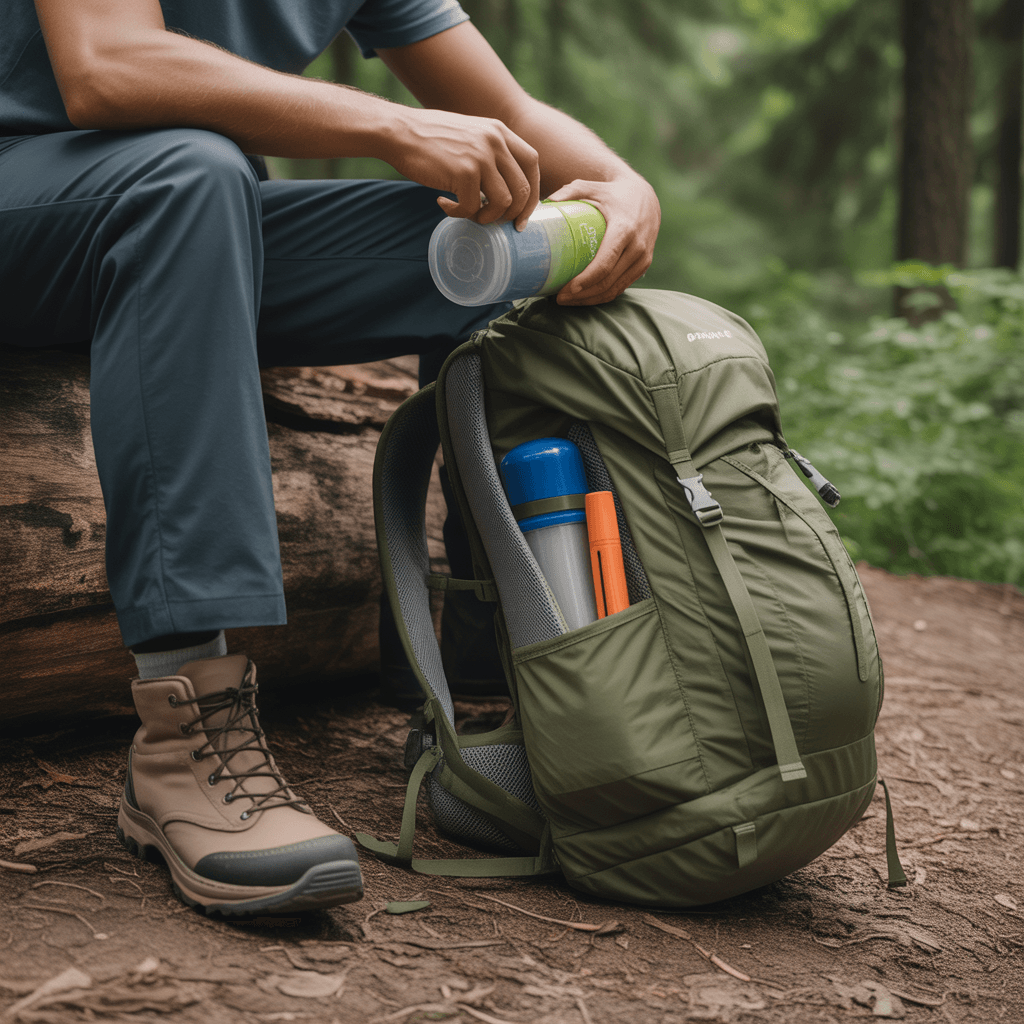
Once you have stopped, take inventory of what you have with you. Check your phone battery, water supply, food, extra layers, and any other gear in your hiking backpack if you brought one. Even if you are hiking with just a daypack or small bag, knowing exactly what resources you have helps you plan your next steps. Note the time and how much daylight remains. Look around for any landmarks you recognize – a distinctive rock formation, a stream, or a mountain peak. If you have a trail map, GPS device, or compass, get them out now. Even if you do not have technical navigation tools, your phone may still help you orient yourself, even without cell service. Many smartphone mapping apps can show your location using GPS satellites without requiring a data connection.
Try to Retrace Your Steps
If you only recently lost the trail and can clearly remember your last known location, carefully backtracking may be your best option. Before you move, mark your current spot in an obvious way – stack rocks in a small pile called a cairn, break and arrange sticks in an X pattern, or tie something bright to a tree branch. Take a photo of this marker with your phone. Then slowly retrace your path, looking for trail blazes (painted marks on trees that mark the official trail route), footprints, or disturbed vegetation that indicates where you came from. If you are walking for more than 10 to 15 minutes without finding the trail, stop and return to your marked spot. Wandering aimlessly will only make things worse.
Use the STOP Method
Search and rescue professionals teach the STOP acronym, which stands for Stop, Think, Observe, and Plan. You have already stopped moving. Now think about your situation logically: when did you last see a trail marker? What direction were you heading? Were there any turns you might have missed? Next, observe your surroundings carefully. Look for trail signs, painted marks on trees, worn paths, or even trash (which unfortunately often indicates human presence). Listen for sounds of other hikers, running water, or road noise. Finally, make a plan based on what you know. If you are confident about backtracking, do that. If you are truly disoriented, your plan may be to stay put and signal for help.
Signal for Help If You Are Staying Put
If you decide to stay in one location and wait for help, make yourself as visible and audible as possible. The universal distress signal is three of anything – three whistle blasts, three shouts, three fires, or three flashes of light. If you have a whistle (which weighs almost nothing and should be in every hiker’s pack), blow it in sets of three with pauses in between. If you have brightly colored clothing or gear, spread it out in an open area where it can be seen from above. Use your phone flashlight at night to signal. If you have cell service, call 911 immediately and give them as much information as possible about your location, including the trailhead where you started, landmarks you remember, and any GPS coordinates your phone can provide.
Stay Warm, Hydrated, and Visible
Once you have signaled for help, focus on the basics of survival. Put on extra layers before you get cold, not after – hypothermia can set in surprisingly quickly, especially if you are wet or the temperature drops at night. A rain jacket can provide crucial wind and moisture protection even in dry conditions. Ration your water but stay hydrated. Dehydration impairs judgment and physical ability. If you find a water source, stay near it – water attracts both people and animals, and search teams often focus on drainages and streams. Find or create shelter if night is approaching. Get out of the wind, insulate yourself from the ground with leaves or pine needles, and conserve body heat.
What Not to Do When Lost
Avoid several common mistakes that make situations worse. Do not try to bushwhack in a straight line toward what you think is the right direction unless you have navigational skills and tools to back that up. Do not abandon your gear to move faster. Do not leave the trail to take shortcuts. Do not assume that going downhill will lead to civilization – it might lead to a cliff or dense vegetation. Do not waste phone battery by constantly checking for signal – check once, send your location if possible, then preserve power. And critically, do not give up hope. The vast majority of lost hikers are found safely, especially when they follow the basic principles of staying put and staying visible.
Frequently Asked Questions
What to do if you are lost on a trail?
Stop moving immediately and sit down to calm yourself. Assess what resources you have including water, food, phone battery, and extra clothing. Try to retrace your steps if you are confident about your recent path, but mark your current location first. If you cannot find the trail within 10 to 15 minutes, return to your marked spot and stay put. Signal for help using three whistle blasts, three shouts, or by making yourself visible with bright clothing. Call 911 if you have cell service. Stay warm, conserve energy, and make yourself as easy to find as possible.
Should you stay on the trail if you are lost?
If you are still on a trail but unsure if it is the correct trail, yes, stay on it. Trails generally lead somewhere, and you are much easier to find on an established path than in the woods. Walk slowly and look for trail markers, painted blazes on trees, or signs that indicate where the trail leads. If the trail seems to be fading or you have not seen a marker in a long time, stop and reassess. However, if you have already left the trail and are in the woods, the advice changes. In that case, trying to randomly find a trail by bushwhacking usually makes things worse. Instead, stay put in a visible location and signal for help.
How long can you survive if lost in the woods?
Survival time depends on weather conditions, your physical condition, available resources, and whether you have shelter and water. In moderate weather with adequate clothing and water, a healthy person can survive several days or even weeks. The immediate dangers are hypothermia (which can kill in hours if you are wet and cold), dehydration (critical after about three days without water), and injuries from falls or accidents. This is why having basic items like extra layers, a water bottle, and a way to signal for help is so important. Most lost hikers are found within 24 to 48 hours when they stay calm and follow basic survival principles.
What should you do immediately after realizing you are lost?
Stop walking the instant you realize you might be lost. Sit down, take deep breaths, and resist the urge to panic or rush. This moment of pause prevents you from traveling farther from the trail and allows your thinking to clear. Once calm, check the time and assess how much daylight remains. Look at what you have in your pack including water, food, phone, map, and extra clothing. Try to remember the last place you definitely knew where you were. Look around for any landmarks you recognize. This initial assessment sets you up to make good decisions about whether to backtrack, stay put, or signal for help.
How do you prevent getting lost on a hiking trail?
Prevention starts before you leave home. Tell someone your hiking plan including which trail, expected return time, and what to do if you do not check in. Download offline maps to your phone for the area. Bring a physical map if possible. Stay alert while hiking and regularly check for trail blazes or markers. When trails split, stop and confirm which direction is correct before continuing. Pay attention to landmarks and occasionally look behind you to see what the trail looks like from the return direction. Avoid hiking alone when you are new to an area. Take photos at trail junctions. Do not hike with headphones that block environmental sounds. And if weather deteriorates or visibility drops, consider turning back rather than pushing forward into unfamiliar terrain.

The Bottom Line
Getting lost on a trail is an experience that can happen to any hiker, but it does not have to end badly. The key is managing your response: stop immediately, stay calm, assess your situation honestly, and make deliberate decisions rather than panicking. Whether you successfully backtrack to the trail or need to stay put and signal for help, following these basic principles dramatically increases your chances of a safe outcome.
Before your next hike, take a few simple preparation steps that can make all the difference. Tell someone where you are going and when you will be back. Bring fundamental safety items including extra water, food, layers, a map, and a whistle or other signaling device (often called the ten essentials – a standard list of basic survival gear that experienced hikers recommend for day hikes). Keep your phone charged and download offline maps. And remember that turning around is not failing. If conditions deteriorate, visibility drops, or you feel uncertain about the trail, heading back is the smart choice. Your goal is to build confidence and skills over time, and every hike teaches you something new about reading trails and staying oriented safely.
Disclosure: As an Amazon Associate, we earn from qualifying purchases. This does not affect our editorial recommendations.