
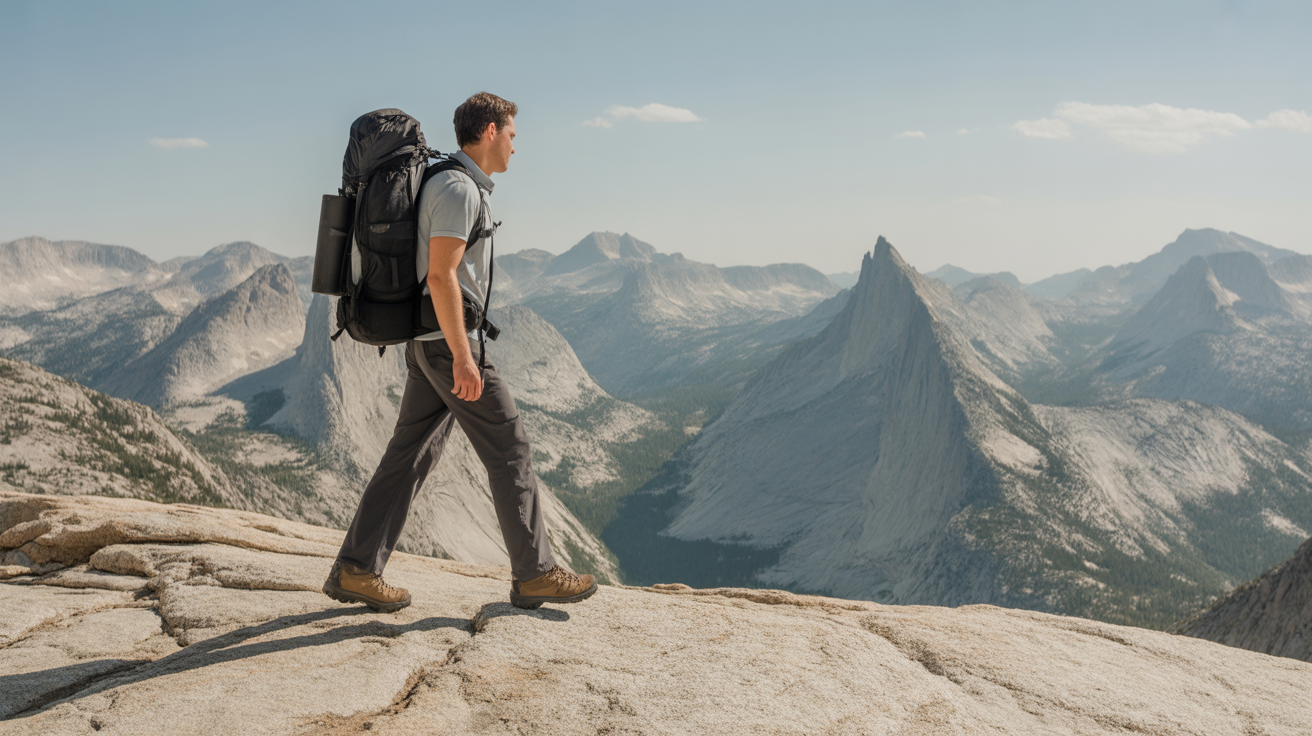
Finding the best hiking shoes for men is harder than it sounds — not because the options are limited, but because there are too many of them, spread across a confusing spectrum of trail runners, low-cut hiking shoes, and full ankle boots. If you want something that moves faster than a heavy boot but gives you more grip and structure than a road sneaker, you are in exactly the right place. That middle-ground shoe — the one that handles dirt trails, rocky paths, and long day hikes without weighing you down — is what this guide is built around.
We went through the data on dozens of men’s hiking shoes and narrowed the list down to five picks that consistently earn high marks from real hikers. Whether you are heading out on a well-groomed state park trail or tackling something with more rock and elevation, one of these options will fit your pace, your terrain, and your budget.
What to Look For
Low-Cut Shoe vs. Boot: What Is Right for Day Hiking
The most common question men face when shopping for trail footwear is whether to go with a low-cut hiking shoe or a traditional ankle boot. For most day hikes — meaning out-and-back trails under 10 miles with a standard daypack — a low-cut hiking shoe is the better call. It is lighter, more flexible, and your foot moves more naturally. The tradeoff is a small reduction in ankle support, which matters more on uneven rocky terrain than on well-maintained dirt paths. If your typical hike involves loose rock, off-trail scrambling, or heavy loads, a mid-cut option bridges the gap nicely.
Waterproofing: Do You Actually Need It
Waterproof membranes like Gore-Tex or Rain.RDY keep your feet dry when crossing wet grass, light stream crossings, or hiking in drizzle. The tradeoff is breathability — waterproof shoes run warmer than their non-waterproof counterparts. If you hike primarily in dry or warm conditions, a well-vented non-waterproof shoe will keep your feet more comfortable over a long day. If you hike in the Pacific Northwest, shoulder seasons, or anywhere with unpredictable weather, the waterproof version is worth the extra warmth. Both options are represented in this list so you can choose based on your home terrain.
Outsole Grip and Terrain Match
The outsole — the rubber bottom of the shoe — determines how well it grips the ground under your feet. Deeper, more aggressive lugs (the raised rubber nubs) handle mud, loose gravel, and steep terrain better. Shallower lugs work well on packed dirt and groomed trails and tend to feel more natural on hard surfaces like gravel roads or pavement approaches. Most of the shoes in this guide fall in the middle — capable on moderate trail without feeling clunky on flat ground. Check the terrain you hike most often before deciding how aggressive a tread you actually need.
Fit, Sizing, and Break-In Time
Hiking shoe fit is not identical to athletic shoe fit. Your foot swells during long hikes, so most experienced hikers size up a half size to prevent toe-box pressure on descents. Lace up the shoe fully and walk on an incline — your heel should stay locked in place and your toes should have a thumb’s width of space at the front. Low-cut hiking shoes typically require less break-in time than boots, but plan for at least one or two short hikes before putting them through a long day on the trail. Pair any new hiking shoe with a quality pair of hiking socks — moisture-wicking or merino wool options reduce friction and are designed with features hikers prioritize for all-day comfort.
Price and Value: What to Expect at Each Budget Level
The best hiking shoes for men span a wide price range, from around $60 to $160. At the lower end ($60-$80), you will find solid everyday trail shoes from established brands — capable on moderate terrain with less refined cushioning. In the $80-$110 range, you start seeing better midsole technology, more durable outsoles, and improved out-of-the-box comfort. Above $110, expect premium materials, advanced waterproofing systems, and shoes built to handle more technical terrain. For most weekend day hikers, the $70-$100 range is the sweet spot — enough quality to last two or three seasons without overspending on features you may not need.
Socks, Insoles, and Breaking In Your New Shoes
The shoe is only part of the equation. A great hiking shoe worn with cotton socks can cause discomfort by mile four. Invest in proper hiking socks before your first outing — merino wool or synthetic blends manage moisture and reduce friction far better than everyday socks. If you find the factory insoles lack arch support or cushioning after a few hikes, aftermarket hiking shoe insoles can make a meaningful difference in all-day comfort without replacing the shoe itself. Give new shoes at least two short hikes before committing them to a full-day outing — your feet will thank you.
Our Top Picks
1. Merrell Men’s Moab 3 Hiking Shoe
Best overall day hiking shoe for men
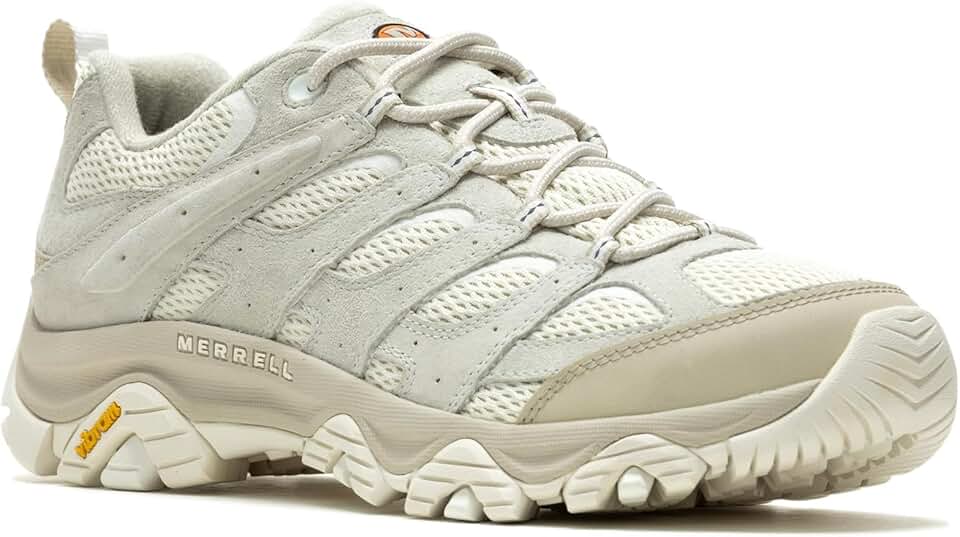
With over 14,000 reviews and a 4.6-star rating, the Merrell Men’s Moab 3 Hiking Shoe is one of the most trail-tested options on the market. That review count is not a fluke — the Moab line has been a go-to for everyday hikers for years, and the third generation continues to earn that reputation across a wide range of terrains and foot types.
What makes this shoe work so well as an all-rounder is how it handles the middle ground between agility and support. It is a low-cut shoe, so it moves with your foot rather than restricting it, but it delivers enough structure underfoot to handle rocky dirt trails, uneven surfaces, and full day hikes without feeling sloppy. Buyers consistently mention how comfortable these are right out of the box, which is a genuine advantage — many hiking shoes need several outings before they stop punishing your feet.
The non-waterproof version reviewed here performs well in dry to mixed conditions and gives your feet room to breathe on warmer days. If your trails regularly involve water crossings or wet weather, Merrell also offers waterproof variants in the Moab 3 family. At $74.99, this shoe sits in the best value zone for day hiking — enough quality construction to handle regular use without the premium price tag.
Honest limitations: a few buyers with very wide feet note that the standard fit runs a little snug, so if you typically need a wide width, check the sizing notes carefully or try on in store if possible. The outsole handles most moderate terrain confidently, but this is not a shoe designed for technical scrambling or extended off-trail use. For the vast majority of day hikers doing trail distances between three and twelve miles, it is hard to find a better combination of comfort, durability, and price.
See current pricing for the Merrell Men’s Moab 3 Hiking Shoe on Amazon.
Pros
- 4.6-star rating backed by over 14,000 real buyer reviews
- Comfortable right out of the box for most users
- Low-cut design moves naturally for day hiking pace
- Excellent value at under $80 for a trusted trail brand
- Available in multiple color and width variations
Cons
- Standard fit can run snug for wide feet
- Non-waterproof version not suited for wet conditions or stream crossings
2. Merrell Men’s Accentor 3 Hiking Shoe
Best for hikers who want a trail-runner feel with more grip

The Merrell Men’s Accentor 3 Hiking Shoe earns its spot on this list by targeting the exact sweet spot many hikers are looking for: a shoe that moves like an athletic shoe but grips and supports like something built for the trail. With just over 900 reviews at 4.5 stars, this is a newer offering in the Merrell lineup, but the review quality and consistency show real trail credibility even with a smaller sample size.
Where the Accentor 3 stands out is in how well it transitions between different surface types. Buyers who hike trails that shift between packed dirt, exposed root systems, and loose gravel consistently mention that the outsole manages these changes confidently without requiring you to slow down or watch every footstep as carefully. The fit tends to be more athletic in profile compared to some chunkier trail shoes, which makes it a natural choice if you come from a running or fitness background and want something that feels familiar on your foot.
At $99.95, it sits at the upper edge of the mid-range budget. That price reflects a noticeable step up in trail performance over the budget end of the category. Buyers who hike multiple times per month tend to feel the extra cost is justified by durability and feel — casual hikers doing a few outings per year might find the Moab 3 sufficient at a lower price.
Honest limitations: some reviewers note a moderate break-in period before the shoe reaches peak comfort, so do not schedule a 10-mile outing as your first test run. Like most non-waterproof hiking shoes, it handles light wet grass and damp trail reasonably well but is not designed for sustained wet conditions.
Read verified buyer reviews for the Merrell Men’s Accentor 3 Hiking Shoe on Amazon.
Pros
- Athletic, trail-runner-style profile that moves naturally
- Confident outsole grip across mixed trail surfaces
- 4.5-star rating from over 900 verified buyers
- Available in multiple colorways and size variations
- Good fit for hikers who prefer a lower-volume, performance feel
Cons
- Slight break-in period reported by some reviewers
- Higher price point compared to other solid options on this list
3. adidas Men’s Terrex Anylander Hiking Shoes
Best budget-friendly option for light to moderate day hikes

At $64.00, the adidas Men’s Terrex Anylander Hiking Shoes deliver a strong case for how much trail capability you can get without crossing the $70 mark. Over 2,200 reviews at 4.5 stars is a substantial vote of confidence for a shoe in this price range, and the Terrex name carries genuine trail credibility within the adidas outdoor lineup.
The Anylander is designed as a versatile low-cut hiking shoe that works across light to moderate trail conditions. Buyers mention it feels more capable than a typical athletic sneaker on uneven ground, with an outsole that manages dirt paths, gravel, and grass transitions without slipping. The adidas Terrex platform tends to lean slightly more athletic in styling compared to traditional hiking shoe silhouettes, which means it also passes as an everyday shoe if that crossover matters to you.
For hikers who are earlier in their trail journey — doing state park day hikes, nature trails, and shorter outings — this shoe delivers the essentials without asking you to spend $100+. It is a practical starting point that lets you build mileage and figure out what features matter most to you before investing in something more premium.
Honest limitations: this is not a shoe for technical terrain, extended backcountry miles, or heavy loads. Buyers doing longer, rougher hikes typically note they wish for more midsole cushioning over the final miles of a long day. Sizing runs consistent with standard adidas sizing based on buyer feedback, but checking your usual size is always advisable with any new brand.
Check current stock for the adidas Men’s Terrex Anylander Hiking Shoes on Amazon.
Pros
- Strong value at $64 with 2,200+ reviews to back it up
- Versatile low-cut design works on light to moderate trail
- Athletic styling that works beyond the trailhead
- adidas Terrex platform carries established outdoor credibility
- Available in multiple color options
Cons
- Midsole cushioning may feel thin on longer, harder miles
- Not designed for technical or rocky off-trail terrain
4. KEEN Men’s Targhee 4 Low Height Durable Comfortable Waterproof Hiking Shoes
Best waterproof day hiking shoe for wet terrain and variable weather

If you regularly hike in wet conditions — early morning trail dew, shoulder season mud, stream crossings, or simply unpredictable weather — the KEEN Men’s Targhee 4 Low is the most capable waterproof option in this group. It carries a 4.5-star rating across 723 reviews, a smaller but still meaningful sample that reflects strong performance from buyers who prioritize waterproof protection. At $127.50, this is a fair price for a waterproof hiking shoe from one of the most respected names in the category.
KEEN’s Targhee line has a long track record among day hikers and weekend trail regulars for its wide-toe-box fit and durable construction. The Targhee 4 continues that tradition with waterproof protection built in from the ground up. Buyers specifically call out how well it keeps feet dry on wet trail conditions, which is the primary reason to consider spending more in this category. The low-cut design keeps it agile and lighter than a mid boot while still providing a structured, supportive feel underfoot.
The KEEN fit tends to run slightly roomy in the toe box compared to Merrell or adidas options, which many hikers find more comfortable over a full day on trail — your toes have room to spread naturally on descents. If you have been frustrated by narrow-toe hiking shoes in the past, KEEN is consistently the recommendation worth trying.
Honest limitations: at $127.50 it is the most expensive shoe in this lineup, which may not be justified if you mostly hike in dry conditions. A few reviewers note the shoe runs slightly heavy compared to non-waterproof counterparts in the same price range, which is a standard tradeoff with waterproof membranes.
Compare the KEEN Men’s Targhee 4 Low specs and pricing on Amazon.
Pros
- Waterproof construction built for wet trails and variable weather
- Roomier toe box fits a wider range of foot shapes
- 4.5 stars from 723 verified buyers across diverse terrain types
- Trusted Targhee line with a strong multi-season track record
- Low-cut profile keeps it agile despite the added waterproofing
Cons
- Most expensive option on this list — harder to justify in dry climates
- Runs slightly heavier than comparable non-waterproof trail shoes
View KEEN Men’s Targhee 4 Low Height Durable Comfortable Waterproof Hiking Shoes on Amazon →
5. Columbia Men’s Fairbanks Low
Best value pick with broad trail versatility

The Columbia Men’s Fairbanks Low delivers solid trail performance at a beginner-friendly price — over 4,100 reviews at 4.4 stars is a substantial signal from real buyers, and the current price of $67.49 puts serious trail capability within easy reach. Columbia is an established outdoor brand, and the Fairbanks Low represents their mid-tier trail shoe built for the everyday hiker.
Buyers consistently describe this shoe as a reliable workhorse — comfortable enough for walking around town but capable on dirt trail without feeling out of its depth. The low-cut silhouette keeps things light and maneuverable, and the outsole handles packed dirt, gravel, and light rock well. More than 100 units have been bought in the past month, which reflects active real-world purchasing rather than a dormant listing.
For hikers who are newer to buying trail-specific footwear and want something from a trusted name without a steep learning curve or a steep price tag, the Fairbanks Low is a practical starting point. It covers the essential bases — grip, structure, and durability — without the complexity or cost of a more technical shoe. If you later discover you want more waterproofing, more cushioning, or more aggressive grip, that experience will make your next shoe purchase sharper.
Honest limitations: it does not carry a waterproofing claim in the product listing, so plan accordingly in wet conditions. Some reviewers note the cushioning is adequate but not plush — if you are doing high-mileage days on hard rocky ground regularly, a more premium midsole may serve you better over time.
See if the Columbia Men’s Fairbanks Low is right for your first hike on Amazon.
Pros
- Over 4,100 real buyer reviews at a strong 4.4-star rating
- Strong value at $67.49 from a well-known outdoor brand
- Versatile enough for trail and everyday use
- Low-cut design provides natural movement for day hiking pace
- Multiple color and size variations available
Cons
- No waterproofing noted in product listing — not for wet conditions
- Cushioning is adequate rather than premium for very long mileage days
How These Compare
Here is a direct breakdown of all five picks to help you match the right shoe to your situation.
The Merrell Men’s Moab 3 Hiking Shoe is the strongest all-around recommendation for most day hikers. It has the highest review count on this list by a wide margin (14,340 reviews), an excellent 4.6-star rating, and a price under $75. If you are unsure which shoe to buy and want something proven, start here.
The Merrell Men’s Accentor 3 Hiking Shoe is the pick for hikers who want a more athletic feel — something closer to a trail runner in responsiveness but with better grip and structure than a road shoe. It costs about $25 more than the Moab 3, and that price reflects a more performance-oriented build. If you hike multiple times per week or prefer a low-volume, fast-moving fit, it is worth the extra investment.
The adidas Men’s Terrex Anylander is the best option if your priority is value and you are still building your trail mileage. At $64 with 2,261 reviews, it handles light to moderate trail conditions well and will not leave you feeling under-equipped on a typical state park day hike. It also crosses over into everyday wear more naturally than a chunkier trail shoe.
The KEEN Men’s Targhee 4 Low is the right call if wet conditions are part of your regular hiking reality. At $127.50, it costs more than the others, but waterproof protection is baked in and the wider toe box makes it the most comfortable option for hikers with a broader foot shape. Do not overpay for waterproofing you will not use — but if you need it, this is the best hiking shoes for men in wet conditions on this list.
The Columbia Men’s Fairbanks Low is a trusted brand choice at a sub-$70 price point with over 4,000 real reviews backing its trail versatility. It is a practical first trail shoe for someone building their gear kit without overcommitting on budget.
Bottom line: go with the Moab 3 for the safest all-around choice. Step up to the KEEN Targhee 4 if you need waterproofing. Choose the Accentor 3 if athletic feel and performance matter more than price.
Frequently Asked Questions
What is the difference between a hiking shoe and a hiking boot?
A hiking shoe is a low-cut design — meaning it sits below your ankle — while a hiking boot extends above the ankle for additional support and protection. Hiking shoes are generally lighter and more flexible, which makes them well-suited for day hikes on maintained trails where you are moving at a steady pace and carrying a moderate load. Hiking boots provide more ankle structure, which becomes more valuable on loose rocky terrain, steep descents with a heavy pack, or multi-day backpacking trips where your footing is less predictable.
For most men doing day hikes in the 3-to-12-mile range on standard trail conditions, a quality low-cut hiking shoe handles the job comfortably and lets your foot move more naturally than a boot would. The best hiking shoes for men in this category sit right in the middle of the spectrum — more capable than a sneaker, lighter and faster than a full boot. If you are doing shorter, well-maintained trails, start with a hiking shoe. If you start venturing onto more technical terrain or carrying overnight gear, revisit the boot conversation then.
Do I need waterproof hiking shoes?
Whether you need waterproof hiking shoes depends entirely on where and when you hike. Waterproof membranes keep moisture out when crossing wet grass, hiking in rain, or navigating muddy trail sections. They are a genuine advantage in the Pacific Northwest, shoulder seasons, or anywhere weather changes quickly.
The tradeoff is breathability. Waterproof shoes run warmer because the same membrane that keeps water out also restricts airflow. On warm summer day hikes in dry climates, a non-waterproof shoe will keep your feet noticeably cooler and more comfortable over the course of a long day.
A practical way to think about it: if more than a third of your hikes involve wet conditions, waterproof is worth the investment. If you mostly hike in dry, warm conditions, the non-waterproof version of the same shoe will likely perform better for you overall. The best hiking shoes for men who hike in variable or wet conditions include a solid waterproof option — the KEEN Targhee 4 Low on this list is the strongest pick for that use case.
How should hiking shoes fit?
Hiking shoe fit is slightly different from athletic shoe fit. Your foot naturally swells during extended activity on trail, so the standard recommendation is to size up a half size from your normal athletic shoe size. This gives your toes room to move without pressing against the front of the shoe on downhill sections, which is where black toenails and discomfort most often originate.
When trying on or sizing from a new brand online, lace the shoe up fully and flex your foot. Your heel should stay firmly in place with minimal lift, and you should be able to wiggle your toes freely. A thumb’s width of space between your longest toe and the front of the shoe is the target.
Fit also varies meaningfully between brands. KEEN shoes tend to have a roomier toe box. Merrell fits closer to a standard athletic last. adidas Terrex tends to run true to size with a moderately narrow profile. If you have had fit issues with one brand, that is useful information when choosing between options on this list. Always wear the hiking socks you plan to use on trail when sizing — sock thickness affects fit more than most people expect.
How long do hiking shoes last?
Most quality hiking shoes from established brands last between 500 and 1,000 miles of trail use, though real-world lifespan depends heavily on terrain type, how aggressively you hike, and how you care for the shoes between outings. Rocky, abrasive trails wear outsoles down faster than packed dirt. Washing mud off your shoes and letting them air dry after each use extends their life noticeably.
The clearest signs that a hiking shoe is past its prime are outsole lug wear (when the grip pattern is noticeably worn flat), midsole compression (when the cushioning feels hard and flat rather than responsive), and upper breakdown at the toe or heel where the material starts to separate. When any of these show up consistently on your hikes, it is time to replace the shoe rather than push through.
For regular hikers doing weekend outings, a good pair of the best hiking shoes for men will typically last one to two solid seasons. Replacing them before they fully break down — rather than after — keeps your trail experience more comfortable and your footing more reliable.
The Bottom Line
The best hiking shoes for men sit in that practical sweet spot between lightweight trail runners and heavyweight boots — and every shoe on this list lives in that zone. The right choice depends on your typical terrain, your budget, and how often you hike.
For most men doing regular day hikes on moderate trail, the Merrell Moab 3 is the straightforward recommendation — over 14,000 buyers have tested it across every type of trail condition and the results speak for themselves. If wet weather is a real factor in where you hike, step up to the KEEN Targhee 4 Low for reliable waterproof protection and a roomier fit. If value is your primary filter and you are still building trail experience, the adidas Terrex Anylander delivers solid performance at $64 without asking you to overspend.
For hikers who want an athletic, fast-moving feel on the trail, the Merrell Accentor 3 is worth the extra cost. And if you want a trusted brand name at a budget-conscious price with broad trail versatility, the Columbia Fairbanks Low with over 4,000 verified reviews is a reliable starting point.
Whatever you choose, pair it with proper hiking socks, give the shoes a short break-in hike before the big day, and go enjoy the trail. The right shoe makes a longer, harder day feel easier — and that is the whole point.
Disclosure: As an Amazon Associate, we earn from qualifying purchases. This does not affect our editorial recommendations.