
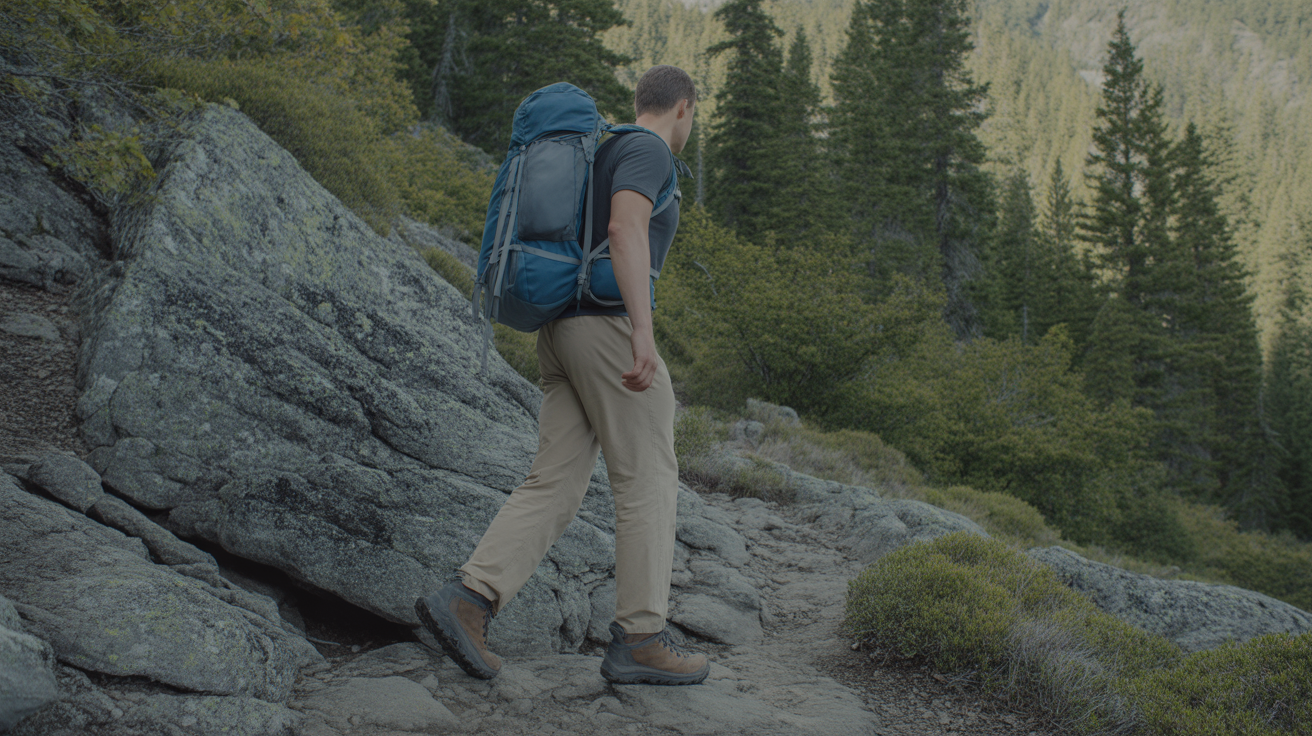
You have spent hours planning your next hike, mapping the route, checking the weather, and packing your gear. Then you realize your jeans or gym shorts will not cut it on a real trail. Choosing the right hiking pants matters more than you might think – the wrong pair can turn a great day into an uncomfortable slog of chafing, overheating, or drenched fabric that never seems to dry.
The best men’s hiking pants balance quick-dry performance, comfort, and durability without requiring a second mortgage. This guide breaks down exactly what to look for based on what real hikers prioritize most, then highlights five options at different price points that thousands of customers have already tested and reviewed.
What to Look For
Quick-Dry Fabric Is Non-Negotiable
Cotton is comfortable at home but a liability on the trail. When cotton gets wet – from rain, stream crossings, or sweat – it stays wet for hours and pulls heat away from your body. Quick-dry synthetic fabrics like nylon or polyester blends wick moisture away from your skin and dry in a fraction of the time. This matters when you are dealing with changing weather, unexpected rain, or simply working up a sweat on steep sections. Most quality hiking pants will dry completely within an hour or two of getting soaked, keeping you more comfortable and safer in variable conditions. Look for product descriptions that specifically mention quick-dry or moisture-wicking properties rather than assuming any synthetic pant will perform the same.
Water Resistance Versus Waterproof
Water-resistant pants shed light rain and morning dew without soaking through immediately. Waterproof pants block water completely but often sacrifice breathability, leaving you damp from sweat instead of rain. For most day hikes and multi-day trips, water-resistant pants paired with a rain shell when needed offer the best balance. Water resistance is typically achieved through a durable water repellent (DWR) coating applied to the fabric, which causes water to bead up and roll off rather than soaking in. This treatment wears off over time and with washing. Unless you are hiking in consistently heavy rain or wet environments, full waterproof pants are usually overkill and will leave you overheated on moderate days.
Fit and Range of Motion
Hiking pants need to move with you through varied terrain – climbing over rocks, high-stepping over logs, scrambling up steep slopes. Look for pants with some stretch built into the fabric, typically achieved by blending spandex or elastane with nylon or polyester. Even 2-5% stretch content makes a noticeable difference in comfort and mobility. Pay attention to the cut as well: articulated knees (knees shaped with a slight bend rather than straight tubes) and gusseted crotches (a diamond-shaped fabric insert at the crotch seam) reduce restriction and prevent binding when you lift your legs. Most hiking pants come in regular or slim fits – neither is inherently better, but slimmer cuts reduce snagging on brush while looser fits offer more ventilation.
Pocket Placement and Cargo Storage
Pockets seem like a minor detail until you are constantly digging in your backpack for your phone, trail snacks, or map. Look for at least four pockets: two front hand pockets, two rear pockets. Cargo pockets on the thigh add useful storage but can get in the way or snag on branches if they are too bulky or poorly placed. Zippered pockets are worth seeking out for items you cannot afford to lose – phones, keys, wallets. Some pants include dedicated knife clips or small zippered compartments inside larger pockets. Think about what you actually carry on the trail and whether the pocket configuration matches your habits. Pockets placed too low on the thigh become inaccessible when wearing a hip belt on your backpack.
Convertible Pants and Zip-Off Legs
Convertible pants with zip-off legs turn into shorts when temperatures rise or terrain changes. They are practical if you are hiking in areas with dramatic elevation or temperature shifts throughout the day. The tradeoff is extra zippers that can chafe if poorly designed, additional weight, and potential durability concerns at the zip points. Convertible pants work best for variable conditions or multi-day trips where you want to pack lighter. If you are hiking in consistently warm or consistently cool conditions, dedicated pants or shorts usually offer better performance. Check customer reviews specifically about zipper placement – poorly positioned zippers rub against the back of your knees or thighs with every step.
Durability and Abrasion Resistance
Trails are not gentle on clothing. Rocks, branches, thorns, and rough terrain all take their toll. Heavier-weight fabrics (typically 4-6 ounces per square yard) resist abrasion better but add weight and can feel less breathable. Lighter fabrics (2-3 ounces per square yard) pack smaller and dry faster but may show wear sooner, especially in high-friction areas like the seat and inner thighs. Some pants include reinforced panels in high-wear zones using ripstop fabric (woven with thicker threads in a crosshatch pattern to prevent tears from spreading). Consider how rugged your typical trails are – manicured forest paths are less demanding than rocky scrambles or desert bushwhacking. Ripstop construction is worth seeking out if you frequently hike through dense brush or scramble over rocks.
Our Top Picks
1. ATG Men’s Cliffside Utility Synthetic Pant
Best for budget-conscious hikers who want proven performance with thousands of real-world reviews

The ATG Cliffside pant stands out for delivering solid hiking performance at a price that will not make you hesitate before a muddy trail. With over 10,000 customer reviews averaging 4.4 stars, these pants have been tested by hikers across every terrain type and condition imaginable. That review volume is not just impressive – it tells you these pants have proven themselves reliable season after season.
Reviewers consistently mention the practical pocket placement and reasonable fit that works for various body types without extensive tailoring. The utility styling includes multiple pockets for trail essentials without looking overly tactical or bulky. Customers report these pants holding up well to regular trail use including light brush contact and rocky terrain.
The sub-$31 price point makes these an accessible first pair of real hiking pants for anyone moving beyond jeans or cotton workout pants. You get legitimate trail-ready performance without the premium pricing of specialty outdoor brands. These pants work equally well for casual day hikes, travel, or even yard work when you get home.
Customer feedback indicates these pants accommodate the full range of hiking movements – scrambles, high steps, and steep climbs – without the restriction common in casual pants. The fit allows for comfortable all-day wear on the trail. While the product title mentions synthetic construction, specific fabric details are not provided in the listing, but the majority of reviewers note these perform well in varied weather conditions.
For hikers building their first trail wardrobe or anyone who wants reliable pants that will not break the bank, the ATG Cliffside delivers proven performance backed by years of customer feedback. The massive review count means you are buying something thousands of hikers have already field-tested.
Pros
- Over 10,000 customer reviews verify real-world performance
- Multiple utility pockets for trail essentials
- Under $31 makes these accessible for any budget
- 300+ bought in past month shows continued popularity
- Reviewers report good durability for the price point
Cons
- Specific fabric technical details not provided in product listing
- Basic styling may lack features found in premium hiking pants
2. Columbia Men’s Silver Ridge Convertible Pants
Best for hikers who want versatility to adapt to changing temperatures and conditions on the trail

Columbia’s Silver Ridge Convertible pant has earned its place as a hiking staple with over 15,000 reviews and a 4.5-star rating. The convertible design with zip-off legs transforms these from full-length pants to shorts in seconds when you hit warmer sections of trail or drop in elevation. That versatility makes these ideal for spring and fall hiking when mornings start cool but afternoons warm up considerably, or for trails with significant elevation changes.
Thousands of reviewers report the zip-off conversion working smoothly across years of use. When you want shorts, you simply unzip the lower legs and stash them in your pack – no fumbling with complicated mechanisms or worrying about losing pieces. Customer feedback indicates the zipper design minimizes chafing issues that can plague convertible pants.
The pants include multiple pockets for organizing trail essentials. The fit accommodates a range of body types based on the extensive customer feedback. With over 15,000 reviews, you can find detailed fit information from hikers with various builds and heights. The leg length and waist sizing appear consistent with standard measurements, reducing the guesswork of online ordering.
At $52.49, these sit at a mid-range price point that reflects the added complexity and versatility of the convertible design. You are paying more than basic hiking pants but gaining the two-in-one functionality that reduces what you need to pack for variable conditions. For hikers who regularly encounter temperature swings or want to minimize packed clothing on multi-day trips, that tradeoff makes sense. The Columbia brand brings decades of outdoor gear experience to the design.
Pros
- Over 15,000 reviews confirm reliable long-term performance
- Convertible design adapts to changing temperatures
- 4.5-star rating reflects consistently positive experiences
- Columbia brand reputation for outdoor gear
- Multiple pockets for trail organization
Cons
- Higher price reflects convertible design complexity
- Zippers add potential failure points compared to regular pants
View Columbia Men’s Silver Ridge Convertible Pants on Amazon →
3. Wespornow Mens Convertible Hiking Pants
Best for hikers wanting convertible versatility at a budget-friendly price with proven customer satisfaction
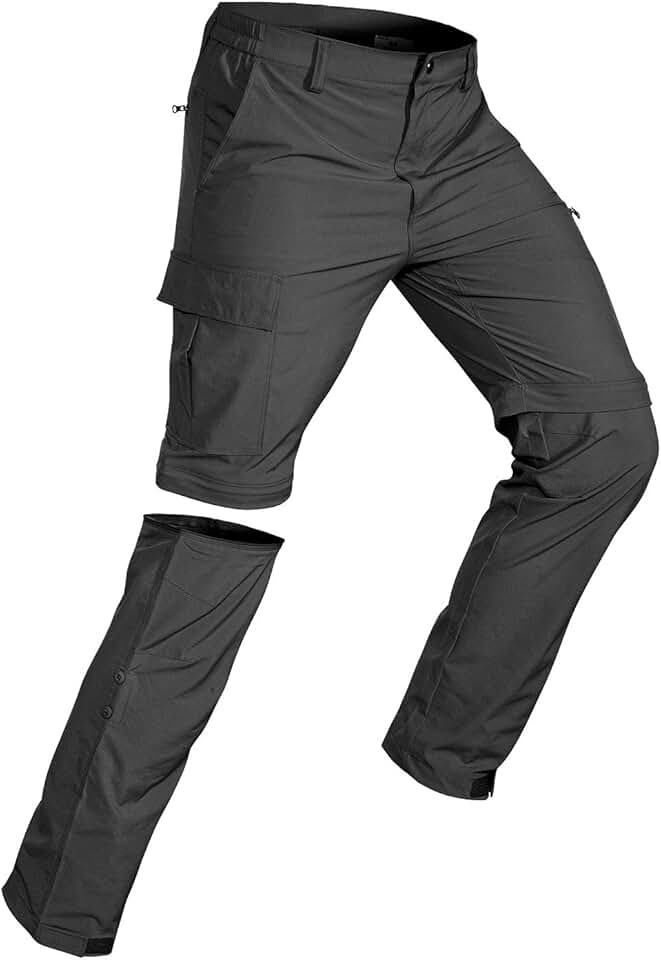
The Wespornow convertible hiking pants deliver 3-in-1 functionality – full pants, capris via one zip point, or shorts via a second zip point – at a price that makes them accessible for hikers watching their budget. With over 4,300 customer reviews averaging 4.4 stars, these pants have proven themselves across diverse trails and conditions without requiring premium brand pricing.
The three-way convertible design gives you more options than standard convertible pants. You can zip off just the lower legs for capri length when you want ventilation but still need some leg protection from brush or sun. Or zip off at the higher point for full shorts when temperatures climb. That flexibility is particularly useful for desert hiking, exposed alpine trails, or anywhere sun protection matters but temperatures vary throughout the day.
Five deep pockets provide substantial storage for phones, snacks, maps, and small trail items. Deep pockets mean less worry about items bouncing out during scrambles or when bending over. The pocket configuration appears practical based on customer feedback, with good placement that does not interfere with hip belts or movement.
At $35.49, these pants cost significantly less than premium convertible options while delivering similar functionality. The extensive review count shows sustained popularity and reliability. For hikers who want the versatility of convertible pants without spending $60-80, these represent a solid middle ground between budget and performance. The three-way convertible feature actually exceeds what many higher-priced competitors offer.
Pros
- Three-way convertible design offers more options than standard zip-off pants
- Over 4,300 reviews confirm reliable performance
- Five deep pockets provide secure storage
- Under $36 price point is accessible for most budgets
- Reviewers report good value for the feature set
Cons
- Multiple zip points mean more potential chafe points to watch
- Specific fabric weight not detailed in product listing
4. TACVASEN Men’s Lightweight Hiking Tactical Pants
Best for hikers who need maximum pocket storage in a lightweight package

TACVASEN’s tactical hiking pants pack eight pockets into a lightweight design that still maintains a 4.5-star rating across over 1,600 reviews. That pocket count is not just about quantity – it means dedicated storage for everything from multitools to GPS devices to trail snacks, all organized so you can find what you need without digging through your pack constantly.
The tactical styling means cargo pockets are substantial and functional rather than decorative. Multiple reviewers mention appreciating the organized storage options these pants provide. That amount of storage is particularly useful for day hikers who prefer to keep essentials on their body rather than stopping to access their pack, or for situations where you want to move fast with minimal pack weight.
Customer feedback indicates these pants move well on the trail despite the robust pocket configuration. At $33.98, you are getting extensive storage capacity at a price point competitive with simpler designs. The 100+ purchases in the past month indicate sustained popularity beyond just promotional periods.
These pants work particularly well for hikers who prioritize organization. If you appreciate having dedicated pockets for specific gear items, the TACVASEN design delivers practical benefits that simpler pants cannot match. The lightweight construction prevents the heavy, restrictive feeling that can come with multi-pocket designs.
Pros
- Eight pockets provide extensive organized storage
- 4.5-star rating with over 1,600 reviews confirms quality
- 100+ bought recently shows continued customer satisfaction
- Under $34 price point for substantial feature set
- Reviewers report lightweight feel despite pocket count
Cons
- Tactical styling with multiple cargo pockets may not appeal to everyone
- Specific fabric technical details not provided in listing
View TACVASEN Men’s Lightweight Hiking Tactical Pants on Amazon →
5. Eddie Bauer Men’s Rainier Pants
Best for hikers who want established outdoor brand quality with versatile styling that works on and off the trail

Eddie Bauer has been making outdoor gear for over a century, and that experience shows in the Rainier pant design. These pants bring the refinement of an established outdoor brand while maintaining a price point at $41.99. With over 1,500 customer reviews averaging 4.4 stars, the Rainier pants have proven themselves across varied hiking conditions and user preferences.
The styling hits a sweet spot between technical hiking pants and everyday casual wear. You can wear these on the trail Saturday and around town Sunday without looking like you are dressed for a wilderness expedition. That versatility matters if you want hiking pants that earn their closet space by serving multiple purposes. The design is clean and functional without excessive tactical details or aggressive branding.
The cut and fit reflect decades of outdoor gear design experience. Eddie Bauer tends toward a more relaxed fit compared to slim-cut technical pants, which many hikers prefer for comfort and ventilation. The traditional styling means these pants look proportional rather than overly baggy or excessively tapered. Reviewers consistently mention the quality construction and attention to detail in stitching and finishing.
For hikers who value brand heritage and want pants that transition seamlessly between outdoor activities and daily wear, the Rainier pants deliver that flexibility. The established brand reputation provides confidence in product support and customer service should any issues arise.
Pros
- Eddie Bauer brand reputation for outdoor quality
- Over 1,500 reviews confirm reliable performance
- Versatile styling works on trail and in town
- Relaxed fit preferred by many hikers
- Quality construction noted by reviewers
Cons
- Limited specific technical details in product listing
- More traditional styling may lack features of specialist hiking brands
How These Compare
Choosing between these five pants comes down to your specific hiking needs and budget priorities. The ATG Cliffside delivers proven reliable performance at the lowest price point – if you want solid hiking pants without overthinking features or spending extra for brand names, these are your best bet. Over 10,000 reviews mean any questions you have about fit or performance have likely been answered by someone with your body type and hiking style.
The Columbia Silver Ridge Convertible makes sense if you regularly encounter temperature changes on your hikes or want to pack lighter for multi-day trips. The established brand reputation and 15,000+ reviews provide confidence that the convertible mechanism will hold up through years of use. You are paying $52 instead of $30, but gaining versatility that eliminates the need for separate pants and shorts.
Wespornow’s three-way convertible design at $35 offers similar versatility to the Columbia at a lower price point. The extra zip point for capri length is genuinely useful for conditions where you want some leg coverage without full pants. If budget matters more than brand name and you like having maximum adaptability, these deliver excellent value. Just be aware that more zippers mean more potential chafe points to monitor during your first few wears.
TACVASEN’s tactical pants solve a specific problem: providing extensive pocket storage for hikers who prefer body-worn gear organization. If you move fast with minimal pack weight and need dedicated pockets for every piece of gear, the eight-pocket design at $34 delivers exceptional organizational capacity without premium pricing.
Eddie Bauer’s Rainier pants bring the confidence of an established outdoor brand with styling that works beyond the trail. If you want one pair of pants that serves for hiking, travel, and casual wear without looking overly technical, these bridge that gap better than the others. The relaxed fit and clean design mean you will actually wear these regularly rather than relegating them to hiking-only duty. At $42, they occupy a middle price point that reflects brand quality without premium pricing.
Frequently Asked Questions
What material is best for hiking pants?
Synthetic fabrics like nylon and polyester are best for hiking pants because they dry quickly, resist abrasion, and manage moisture effectively. Look for blends that include 2-5% spandex or elastane for stretch and mobility. Avoid cotton for serious hiking – it absorbs and holds moisture, takes hours to dry, and loses insulating properties when wet. Quality hiking pants typically use lightweight nylon (2-4 ounces per square yard) that balances durability with packability. Ripstop construction, where heavier threads are woven in a crosshatch pattern, adds tear resistance without significant weight. Some pants include DWR (durable water repellent) coatings that cause water to bead and roll off rather than soaking in. This treatment wears off gradually with use and washing. The specific fabric blend matters less than ensuring it is synthetic, dries quickly, and includes some stretch for mobility on varied terrain.
Should hiking pants be tight or loose?
Hiking pants should fit comfortably with enough room to move freely through a full range of motion without being baggy enough to snag on brush. Test this by doing high knee lifts, squats, and wide lunges in the fitting room – the fabric should not pull tight or restrict movement at the knees, crotch, or waist. A slight amount of stretch in the fabric (usually 2-5% spandex blended with nylon or polyester) allows a more tailored fit without sacrificing mobility. Pants that are too loose catch on branches, bunch up under backpack hip belts, and create friction points that lead to chafing. Pants that are too tight restrict your stride, make scrambling over rocks difficult, and can split at stress points like the seat or inner thighs. The waistband should sit comfortably without requiring a tight belt, and should not dig in when you sit down or bend over. Most hiking pants come in regular or slim fits – choose based on personal preference and the terrain you will hike most. Slim fits work well for trail running or bushwhacking where snagging is a concern, while regular fits offer more ventilation for hot weather hiking.
Are jeans OK for hiking?
Jeans are not recommended for serious hiking because cotton absorbs moisture, dries slowly, and provides no insulation when wet. Denim is heavy, restrictive, and chafes easily during repetitive motion over long distances. A short walk on a maintained trail in good weather will not harm you in jeans, but any hike over a few miles or in variable conditions exposes the limitations. When jeans get wet from rain, stream crossings, or sweat, they stay wet for hours and pull heat away from your body – uncomfortable in warm weather and potentially dangerous in cold conditions. The rigid fabric restricts mobility when climbing, scrambling, or taking long strides. Denim seams are positioned for fashion rather than athletic movement, creating friction points that cause chafing on the inner thighs and behind the knees during multi-hour hikes. If you are just starting to hike and want to test your interest before investing in gear, synthetic athletic pants or lightweight workout pants work better than jeans as an interim solution. Once you decide hiking is something you will do regularly, proper hiking pants with quick-dry synthetic fabric will dramatically improve your comfort and safety on the trail.
What is the difference between hiking pants and regular pants?
Hiking pants use quick-dry synthetic fabrics instead of cotton, include features like reinforced knees and seat for durability, and are cut to allow full range of motion during athletic activity. Regular pants prioritize style and everyday wear rather than performance in outdoor conditions. Specific hiking pant features include articulated knees (knees shaped with a slight bend rather than straight tubes) that reduce restriction when lifting your legs, gusseted crotches (diamond-shaped fabric inserts at the crotch seam) that prevent binding and increase durability, and strategic pocket placement that remains accessible when wearing a backpack with a hip belt. The fabric weight in hiking pants (typically 2-4 ounces per square yard) balances durability against weight and packability, while regular pants use heavier fabrics that do not need to pack small or dry quickly. Many hiking pants include water-resistant coatings that shed light rain and dry faster when wet. The waistband design accommodates a wider range of movement and often works better with hiking belts or pack hip belts than regular pant waistbands. Seam placement and stitching in hiking pants reinforces high-stress areas and avoids friction points that cause chafing during repetitive motion over long distances.
The Bottom Line
The best men’s hiking pants for your next trail depend on what challenges you will face and what features matter most to you. If you are just getting started and want proven performance without overthinking your first purchase, the ATG Cliffside delivers exactly what you need at under $31 with over 10,000 reviews backing it up. For hikers tackling variable conditions or elevation changes where temperatures shift throughout the day, the Columbia Silver Ridge Convertible pants provide zip-off versatility that has stood the test of time with over 15,000 satisfied customers. Budget-conscious hikers who want convertible functionality without premium pricing should look at the Wespornow three-way design at $35, while those who prioritize extensive pocket storage will appreciate the TACVASEN tactical pants at $34. If you want one pair that works equally well on trail and around town with the confidence of an established outdoor brand, Eddie Bauer’s Rainier pants at $42 bridge that gap perfectly. Whichever you choose, you are investing in comfort and performance that will make every mile on the trail more enjoyable than struggling in cotton jeans or gym shorts ever could.
Disclosure: As an Amazon Associate, we earn from qualifying purchases. This does not affect our editorial recommendations.