
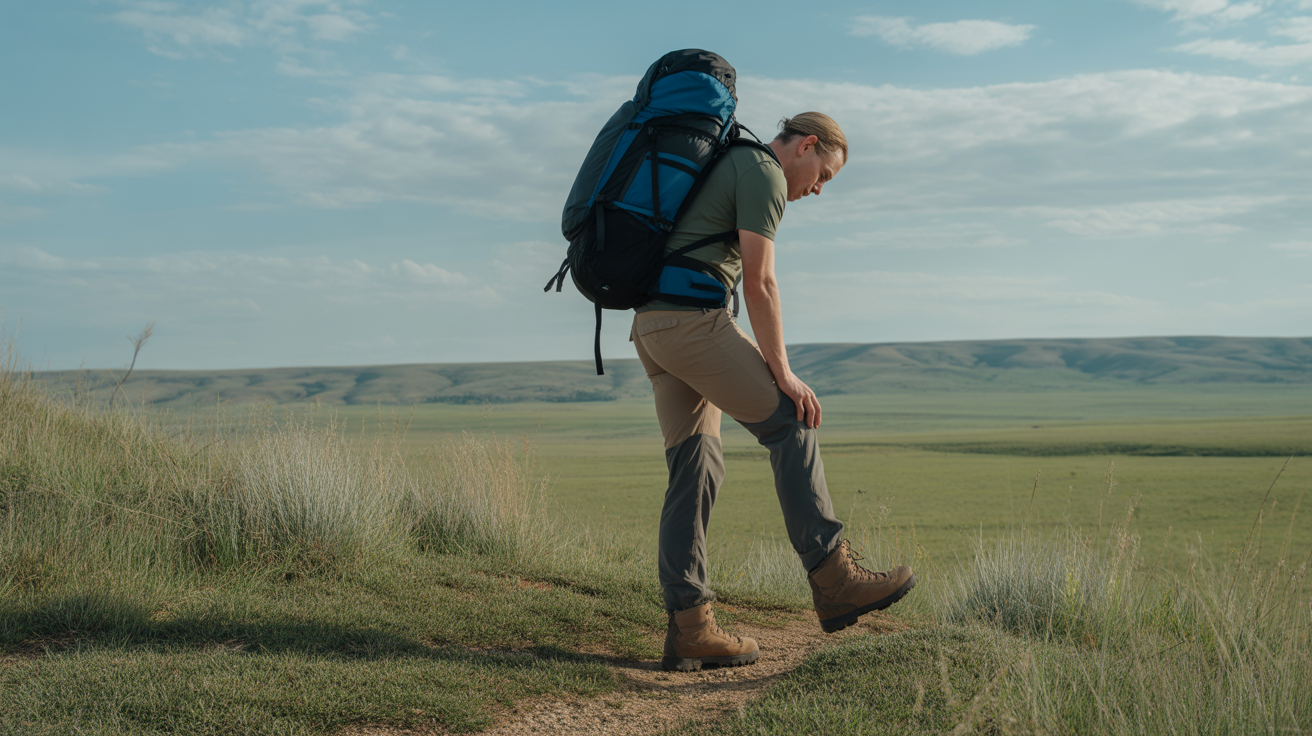
Do hiking boots come in wide width? Yes, absolutely — and if you have been cramming your feet into standard-width boots and wondering why your toes feel like they are being slowly compressed, you are not alone. Wide-width hiking boots are widely available, but the sizing system can be confusing enough to make even experienced shoppers walk away with the wrong pair.
This guide cuts through the jargon. You will learn what width codes actually mean, how to measure your foot correctly, why width matters differently than length, and what to look for when shopping for hiking boots for wide feet. No guesswork, no intimidating terminology — just a clear, practical breakdown so your next pair of boots fits the way boots should fit.
What to Look For
Do Hiking Boots Come in Wide Width? Yes — Here Is How the System Works
Do hiking boots come in wide width? They do, and the selection has improved significantly in recent years. Most major hiking boot brands now offer at least one or two styles in wide widths, and some brands have built their entire reputation on accommodating feet that fall outside the narrow standard mold. The width sizing system uses letter codes, and understanding those codes is the first step to finding boots that actually fit.
Standard width for men is labeled D or M (medium). Standard width for women is labeled B or M. When you see the label 2E or EE on a boot, that means wide width for men. 4E or EEEE means extra wide for men. For women, D or 2A typically signals a wide fit. Some brands use simple language like “wide” or “W” on the label, which makes things easier. The key takeaway: the more E letters you see, the wider the fit.
Width Versus Length — These Are Two Different Problems
A lot of hikers make the mistake of sizing up in length to compensate for a boot that is too narrow. This creates a whole new problem. A boot that is too long shifts your foot forward on descents, jamming your toes into the front of the boot — exactly what you were trying to avoid. It can also cause heel lift, which leads to blisters. Good hiking shoe insoles can help with volume and arch support, but they will not fix a boot that is fundamentally the wrong shape for your foot.
Width and length are independent measurements. You can have a size 10 foot that needs a wide width — the length is correct, but the boot is too narrow across the forefoot or midfoot. The goal is to find both dimensions right at the same time. Some feet are wide all the way through; others are wide only in the toe box. Knowing where your foot is widest helps you narrow down which styles will work.
How to Measure Your Foot for Width at Home
You do not need a professional shoe fitter to figure out your foot width, though having one does help. The easiest method is the tracing method. Place a piece of paper on a hard floor, stand on it with your full weight, and trace around your foot with a pencil held vertically. Measure the widest point — usually across the ball of your foot — in millimeters or inches.
According to REI’s hiking boot fitting guide, you should always measure both feet, since most people have one foot slightly larger than the other. Measure in the afternoon or after a walk, because feet swell throughout the day. A boot that fits perfectly in the morning might feel tight by mile three on the trail. Compare your width measurement to the sizing charts provided by the boot manufacturer — these are usually available on the brand website or the product page.
The Toe Box Problem — and Why It Matters More Than You Think
Even boots labeled as wide width are not all created equal. One of the most important factors is toe box shape. Some wide boots simply add a few millimeters of volume throughout the entire boot. Others have a genuinely wider toe box — the front section of the boot where your toes sit — which allows your toes to spread naturally when you step.
This matters because toe spread is how your foot generates stability and absorbs impact. When your toes are compressed, your footing becomes less stable and your feet fatigue faster. Women in particular often struggle with this because many standard women’s hiking boots have a tapered toe box designed for appearance rather than function. If toe compression is your main complaint, look specifically for boots marketed as having a wide toe box — these are a separate category from general wide-width boots. You can explore options specifically designed for this in our roundup of hiking boots for women with a wide toe box.
What Hiking Socks Do to Your Fit Equation
Here is something many first-time boot buyers overlook: the thickness of your hiking socks changes your effective boot size. A thin liner sock and a thick wool hiking sock can represent up to a half-size difference in length and a noticeable difference in width. Always try on boots — or measure your foot — while wearing the socks you actually plan to hike in.
If you show up to a gear store in dress socks and try on hiking boots, the fit test is almost meaningless. Bring your hiking socks with you, or buy a pair before you go boot shopping. The right sock also helps prevent blisters caused by friction inside a slightly-too-loose boot, which is especially common when hikers size up in length to compensate for width issues.
Tips for Shopping Wide-Width Hiking Boots Online
Buying boots online is convenient, but it requires extra care when you have wide feet. Look for listings that specify the width code explicitly — not just “fits wide feet” in a generic description, but an actual EE, 2E, or W designation in the size options. Read recent customer reviews from people who mention having wide feet; their feedback is more relevant to your situation than aggregate ratings.
Many brands also offer what are called “last” options — the last is the internal mold shape the boot is built around, essentially the foot-shaped form the manufacturer uses during construction. A wider last means more room throughout the foot, not just at the toe. Brands known for naturally wider lasts include New Balance, Merrell, and Keen, though specific models vary. If you are between widths, sizing the width up rather than the length up is almost always the better call. And whenever possible, buy from a retailer with a generous return policy so you can do a proper fit test on a hard floor at home before committing.
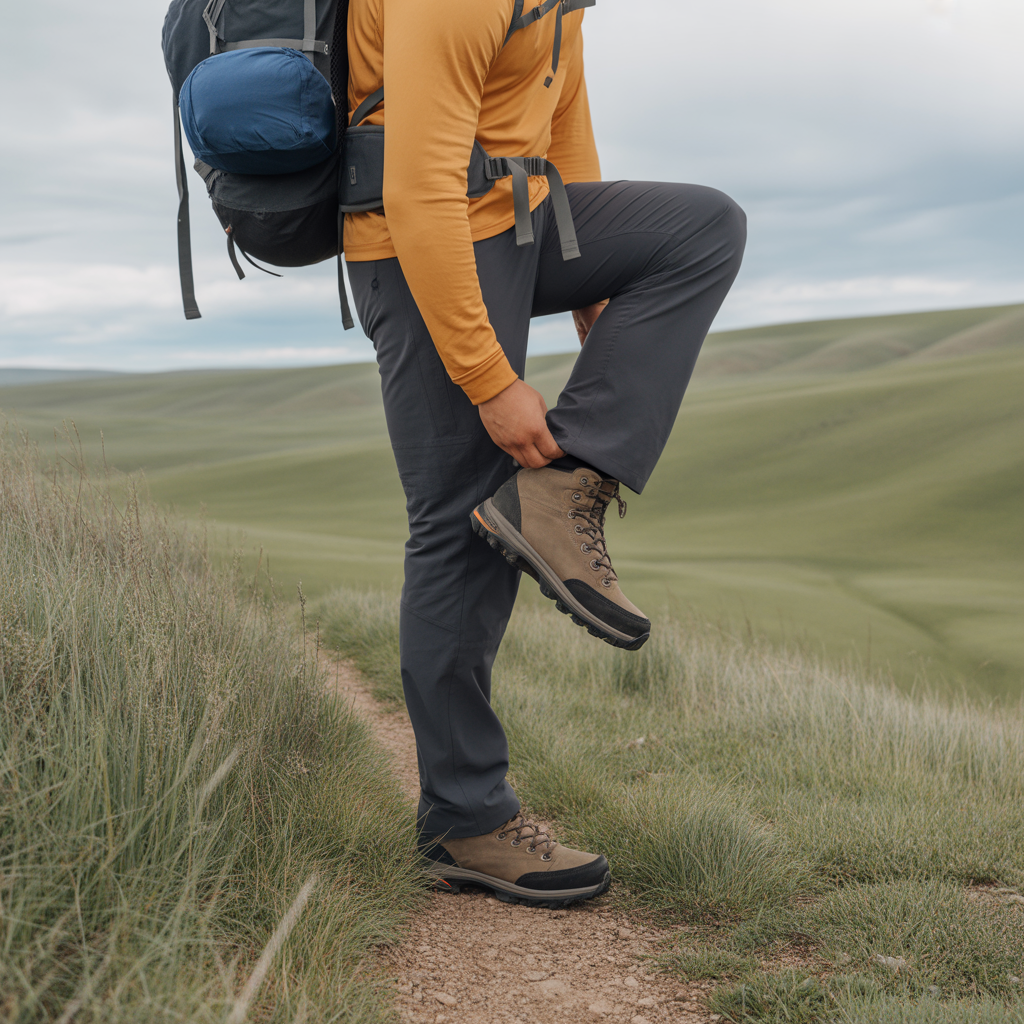
Frequently Asked Questions
How do I know if I need wide-width hiking boots?
The clearest sign is that standard boots feel tight across the ball of your foot or compress your toes even when the length feels right. You might notice numbness, tingling, or the sensation that your foot is being squeezed from both sides. Another indicator is that you consistently size up in length to get more room, only to end up with heel slipping. If you have foot conditions like bunions or hammertoes, you may find that wide-width boots accommodate the shape of your foot more comfortably. You can also do a simple home test: trace your foot on paper, measure the widest point, and compare it to the brand width chart. If your measurement falls at or above the upper boundary of standard width, look for boots marked 2E, EE, or W. Do hiking boots come in wide width? Yes, and getting the right width will likely be the single biggest improvement you can make to your trail comfort.
Are wide-width hiking boots harder to find than standard widths?
They are less common than standard widths, but the selection has grown considerably. Most major outdoor brands now offer at least a few styles in wide widths, and some specialize in them. The challenge is that not every style in a brand’s lineup comes in wide — you may fall in love with a boot only to find it is available in standard width only. Online retailers generally carry a broader selection than physical stores, but physical stores let you do a proper fit test. If you cannot find a wide-width version of a specific boot you like, check whether the brand has a wider-lasted sibling model, or look at brands like Keen and New Balance that are known for naturally roomier fits across their lines. You can find a curated selection of extra wide hiking boots if standard wide widths still feel too snug.
Can I use aftermarket insoles to fix a boot that is slightly too narrow?
Insoles can help with arch support, cushioning, and volume adjustment, but they are not a solution for a boot that is fundamentally too narrow. Adding a thicker insole to a narrow boot actually reduces the internal width available to your foot, which can make the squeeze worse. If your boot is a half-width too small, an insole is not going to fix that. Where aftermarket insoles do help is when the boot fits correctly in width but feels flat or unsupportive underfoot, or when you need to reduce internal volume due to a low-volume foot. For genuine width issues, the only real fix is a wider boot. That said, a quality set of hiking shoe insoles in a properly fitting wide boot can genuinely improve comfort and reduce foot fatigue on longer days.
Do wide hiking boots affect stability on the trail?
A common concern is that wide boots will feel sloppy or unstable compared to a snug standard-width boot. In practice, the opposite is usually true for people with wide feet. A boot that fits your foot correctly — including the width — provides better contact between your foot and the boot structure, which means better transfer of support and stability. A too-narrow boot forces your foot into an unnatural position that actually undermines stability. The key is that the boot must fit correctly in all dimensions, not just be wider across the board. If a wide boot is the right length and width but too loose in the heel, you will get heel slip and instability. Look for boots with a snug heel collar and good ankle support alongside the correct width designation. Do hiking boots come in wide width with proper ankle support? Yes — many wide-width boots are available in both low-cut and mid-cut ankle heights.
What is the difference between wide width and a wide toe box?
These two terms are related but not the same thing. A wide-width boot adds volume throughout the entire boot — across the forefoot, midfoot, and sometimes the heel area. A wide toe box specifically refers to extra space in the front section of the boot where your toes sit, without necessarily widening the entire boot. Some hikers have narrow heels and midfoots but very wide toes — these people often do better in boots with a wide toe box than in a full wide-width boot, which may feel sloppy in the heel. Brands like Altra and Topo Athletic have built their product lines around a wide, rounded toe box that allows natural toe splay even in standard-width fits. If your main complaint is toe compression rather than overall tightness, searching specifically for wide toe box boots may be more effective than shopping by width code alone.
The Bottom Line
Do hiking boots come in wide width? Without question — and now that you understand the sizing codes, the difference between width and length, and how toe box shape affects your comfort, you are in a much better position to find a pair that actually fits.
If you have wide feet across the full foot, start by filtering for boots labeled 2E or EE for men, or D or W for women, and measure at home before you buy. If your issue is mainly compressed toes, focus your search on models with a specifically wide toe box. If you are shopping on a tight budget and can only afford one pair, prioritize width fit over premium features — a correctly fitted basic boot will outperform an expensive narrow one every time. If you are planning your very first day hike and feeling overwhelmed by options, start with brands like Merrell or Keen that tend to run roomier across their entire lineup, giving you a higher chance of success on your first try. Always try boots on with the hiking socks you plan to wear on the trail, and buy from a retailer that accepts returns so you can test fit properly.
For more help finding the right boot, the team at REI’s footwear fitting resource offers detailed guidance on fit and width options across many brands. And when you are ready to browse specific options, our full roundup of wide fitting hiking boots covers the best current picks across a range of budgets and trail types. Your feet will thank you for getting this right.
Disclosure: As an Amazon Associate, we earn from qualifying purchases. This does not affect our editorial recommendations.