
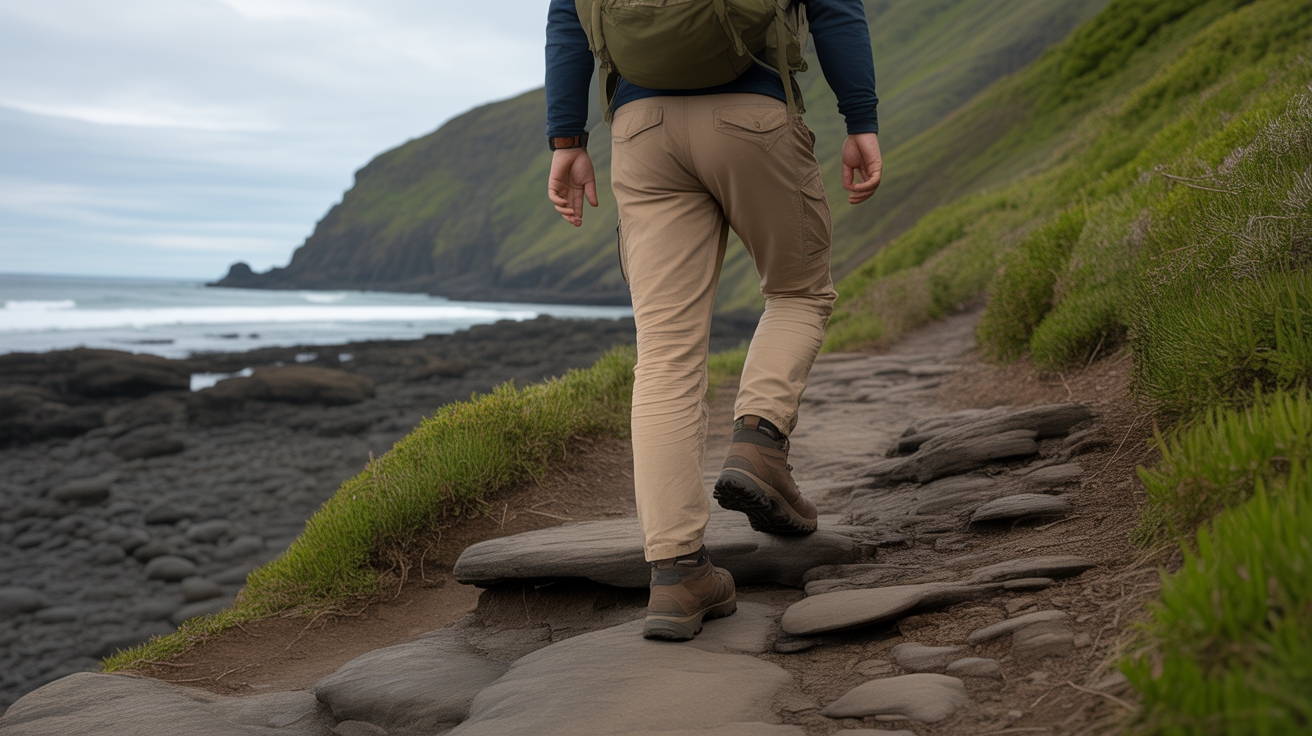
How to hike with plantar fasciitis without making it worse is the question that follows you down every trail – and into the next morning when your feet remind you exactly what you did the day before. That sharp, stabbing heel pain when you take your first steps after rest is the hallmark of plantar fasciitis, and for hikers it is a particularly cruel condition because the thing you love most is the thing that aggravates it.
The good news is that hiking with plantar fasciitis is genuinely possible without turning every outing into a recovery event. It requires some honest attention to your footwear, your foot support, and a few technique adjustments that take the stress off the plantar fascia – the thick band of tissue running along the bottom of your foot from heel to toe. This guide covers what actually helps, what to avoid, and how to keep getting out on the trail without paying for it the next day.
What to Look For
Why Hiking Aggravates Plantar Fasciitis – and What That Means for Your Gear
Plantar fasciitis flares up when the plantar fascia is repeatedly strained or stretched beyond its tolerance. Hiking creates a perfect storm for this: uneven terrain, long distances, hard surfaces, elevation changes, and hours of sustained load on your feet. The heel strike that happens naturally when walking downhill puts direct stress on exactly the spot that is already inflamed. Understanding this helps you make smarter gear and technique choices rather than just pushing through and hoping for the best.
The two biggest controllable factors are arch support and cushioning. Insufficient arch support allows the plantar fascia to overstretch with every step. Insufficient cushioning means the heel absorbs more impact than it can tolerate over a long day. Both issues are fixable with the right combination of footwear and insoles.
Boot Features That Make a Real Difference
Not every hiking boot is suitable for plantar fasciitis. The features that matter most are a firm midsole (the layer of material between the outer sole and the insole) with structured arch support, a slight heel-to-toe drop – which is the difference in height between the heel and forefoot, typically 6 to 12 millimeters for plantar fasciitis sufferers – and adequate cushioning underfoot without being so soft that your foot sinks and loses stability.
Avoid minimalist or zero-drop footwear if you are dealing with active plantar fasciitis. Minimalist hiking shoes place the foot in a flat, natural position that increases the load on the plantar fascia. For most people with this condition, a moderate to high heel drop boot is significantly more comfortable. Look for boots that feel firm underfoot – not like walking on a cloud, but like walking on a structured platform. Our guide to hiking boots for plantar fasciitis covers specific options if you are in the market for new footwear.
The Insole Upgrade That Changes Everything
Stock insoles that come with most hiking boots are made to fit as many feet as possible, which means they are rarely ideal for anyone in particular. For plantar fasciitis, replacing the stock insole with a purpose-built aftermarket insole is often the single most impactful change you can make without buying new boots.
Look for insoles with a deep heel cup (a contoured depression that cradles the heel), a firm arch post (actual structural support rather than just cushioning), and enough length to run the full length of your boot. Gel-only insoles that are soft throughout often feel good in the store and feel terrible after four miles. You want support first, cushioning second. Dedicated hiking boot insoles for plantar fasciitis are specifically designed with this in mind and are worth every dollar. General hiking shoe insoles can also be a significant improvement over stock footbeds even if not plantar fasciitis specific.
Sock Choice and Why It Matters More Than You Think
Socks are not just about blisters. The right sock adds a layer of cushioning and compression that complements your insole and boot setup. For plantar fasciitis, hiking compression socks – which apply graduated pressure from ankle to calf – are a popular choice among hikers dealing with heel pain, though individual experiences vary. Compression socks do not replace structural insole support, but they work well alongside it.
Aim for a sock with extra cushioning in the heel and ball of the foot. Avoid thin liner socks as your only sock layer – they provide minimal cushioning and can allow your foot to shift inside the boot, adding friction to an already irritated area.
Technique Adjustments That Reduce Heel Stress on the Trail
Gear will only get so far. How you hike matters as much as what you wear. These technique adjustments are commonly recommended for hikers managing plantar fasciitis:
Shorten your stride. Longer strides increase the dorsiflexion (upward bending of your foot at the ankle joint) at push-off – the moment when your back foot lifts and propels you forward – which stretches the plantar fascia more aggressively. Shorter, more frequent steps put less tension on the fascia with every footfall.
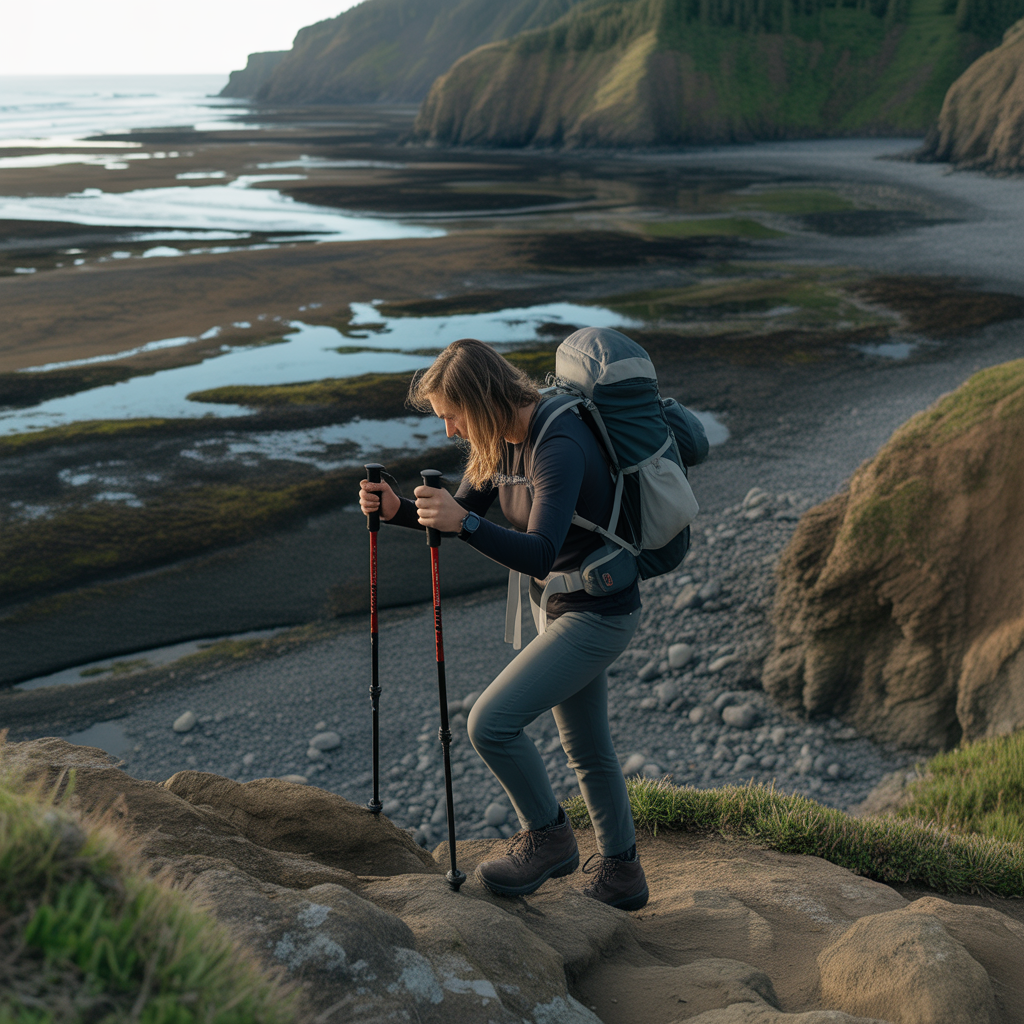
Use trekking poles. Poles transfer a meaningful portion of your body weight to your upper body, changing the distribution of force across your entire body rather than concentrating it in your feet and legs. On downhill sections – where heel strike forces peak – poles are especially valuable. Even if you have never used poles before, they are worth learning for plantar fasciitis management.
Take more breaks than you think you need. Prolonged loading is one of the main drivers of plantar fasciitis flares. Sitting and removing your boots briefly during long hikes gives your feet a chance to rest. A 10-minute rest mid-hike is a practical way to break up continuous time on your feet.
Choose softer terrain when possible. Dirt trails are significantly more forgiving than paved paths, gravel roads, or rocky surfaces. Many hikers with plantar fasciitis report that trail surface makes a noticeable difference in post-hike soreness.
The Morning Routine That Protects You Before You Even Lace Up
The most painful moment of the day for plantar fasciitis sufferers is the first step out of bed. The fascia tightens during rest and is suddenly loaded upon weight-bearing. This same phenomenon happens when you get back in your car after a hike, or when you stand up after sitting at a trailhead (the parking area or designated starting point of a hiking trail).
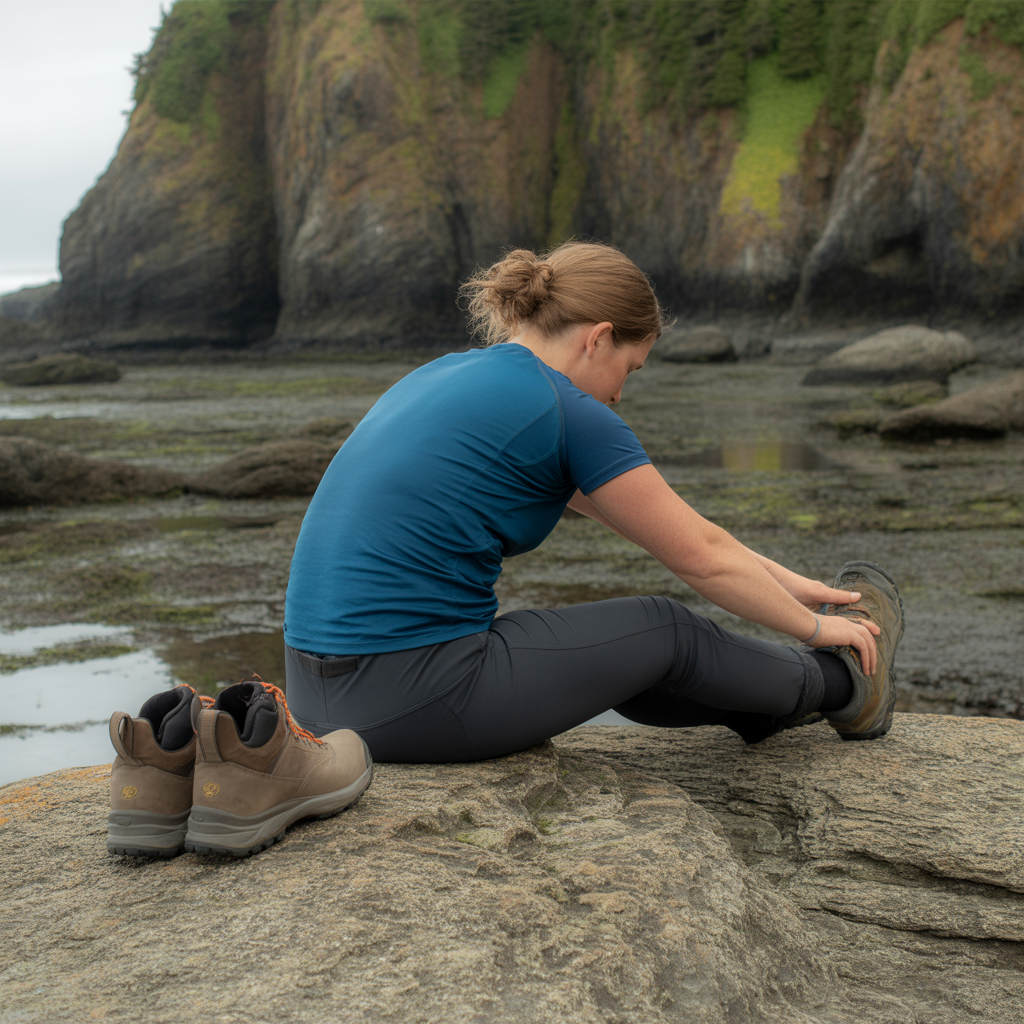
Before your first step each morning – and before getting out of your car at the trailhead – spend 60 to 90 seconds doing calf stretches and plantar fascia stretches. The most effective stretch is simple: cross one foot over your knee, grab your toes, and pull them gently toward your shin for 30 seconds. Repeat three times. According to the American Orthopaedic Foot and Ankle Society, consistent plantar fascia stretching is one of the most evidence-supported conservative treatments for plantar fasciitis and is particularly effective when done before the first weight-bearing step of the day.
Rolling the bottom of your foot on a firm ball or a frozen water bottle for a few minutes after a hike is a common recovery technique many hikers find helpful. Keep a tennis ball in your car specifically for post-hike use. These small habits compound over time and many hikers notice improvement in next-morning soreness.
For additional reading on footwear compatibility and fit considerations, REI has a detailed hiking boot fit guide that covers how to evaluate heel lock, arch contact, and toe box space – all relevant factors when managing plantar fasciitis.
Frequently Asked Questions
Can hiking make plantar fasciitis worse permanently?
Hiking does not automatically cause permanent damage to the plantar fascia, but repeatedly hiking through severe pain without addressing the underlying issues can slow healing significantly and lead to a cycle of chronic flare-ups. The fascia is a connective tissue that heals slowly, and continued high-load activity without adequate support gives it no opportunity to recover. The key distinction is between manageable discomfort and sharp pain. If your pain is moderate and fades after the first mile or two, with the right footwear and technique adjustments you can usually continue hiking while managing the condition. If the pain is severe, worsening during the hike, or persisting for days afterward, it is worth taking a break and consulting a healthcare provider. Knowing how to hike with plantar fasciitis without making it worse means being honest about your pain levels and not treating every trail as something to push through regardless of how your feet feel.
Should I stretch before or after hiking with plantar fasciitis?
Both, but the most critical moment is before your first weight-bearing step. The plantar fascia tightens during rest and is most vulnerable to micro-tears when it is cold and suddenly loaded. Stretching before you get out of bed, before you step out of your car at the trailhead, and before you stand up after any rest break is a widely recommended practice. After hiking, stretching is a common technique hikers use as part of their cool-down routine. The most effective pre-hike stretches are the seated toe pull (pull your toes toward your shin and hold for 30 seconds, three repetitions) and a standing calf stretch against a wall. Post-hike, rolling the bottom of your foot on a firm ball for two to three minutes is something many hikers incorporate into their routine. Consistent stretching before and after is one of the most important habits for anyone learning how to hike with plantar fasciitis without making it worse.
Are trail runners or hiking boots better for plantar fasciitis?
For most people with plantar fasciitis, a structured hiking boot with a higher heel drop and firmer midsole will provide more consistent relief than trail runners. Trail runners tend to have a lower heel drop and a more flexible midsole, which can increase the stretch on the plantar fascia during push-off. However, this is not a universal rule. If you are hiking shorter, less rugged trails and have already upgraded to excellent aftermarket insoles for plantar fasciitis, some trail runners with adequate heel support may work well. The critical factors to assess in any footwear are heel cup depth, arch support firmness, and heel-to-toe drop – not whether the shoe has the word boot or runner in its name. Trying footwear on in the afternoon when your feet are slightly swollen and walking on a hard floor before committing gives you the most accurate preview of trail performance.
Do trekking poles actually help plantar fasciitis while hiking?
Yes, trekking poles provide a real and meaningful benefit for hikers managing plantar fasciitis. By transferring a portion of your body weight and forward momentum through the poles and into your arms, they reduce the total force your feet absorb with each step. On downhill sections in particular, where heel strike forces are highest, many hikers report that poles make a noticeable difference in comfort. They also help you maintain a shorter, more controlled stride, which is commonly recommended for those managing heel pain. Using trekking poles correctly means planting them slightly behind your lead foot on flat terrain and ahead of your body on steep descents. Adjustable poles that let you shorten the length on uphills and lengthen on descents maximize the benefit. If you are looking for an accessible, non-invasive way to continue the trails you love while managing heel pain, adding poles to your kit is one of the smartest steps you can take.
The Bottom Line
Learning how to hike with plantar fasciitis without making it worse is not about giving up the trails – it is about hiking smarter so you can keep hiking longer. The combination that makes the biggest difference for most people is this: a boot with genuine arch support and a moderate-to-high heel drop, a quality aftermarket insole designed specifically for plantar fasciitis, compression socks for additional arch support throughout the day, trekking poles to reduce the load on your feet, and a consistent stretch routine before and after every outing.
If your current boots are flat, flexible, and unsupportive, that is the first thing to address. If your boots are decent but the stock insole feels thin and flat, an insole upgrade alone may transform your on-trail experience. If your footwear situation is solid but you are still paying for every hike the next morning, look hard at technique – stride length, break frequency, terrain choice, and whether you are stretching before that first step out of the car.
Plantar fasciitis is a manageable condition for hikers. Thousands of people hike regularly with it, comfortably, by making these adjustments. The goal is not to wait until it is gone before hitting the trail – it is to build habits that let you stay on the trail without setting yourself back.
Disclosure: As an Amazon Associate, we earn from qualifying purchases. This does not affect our editorial recommendations.