
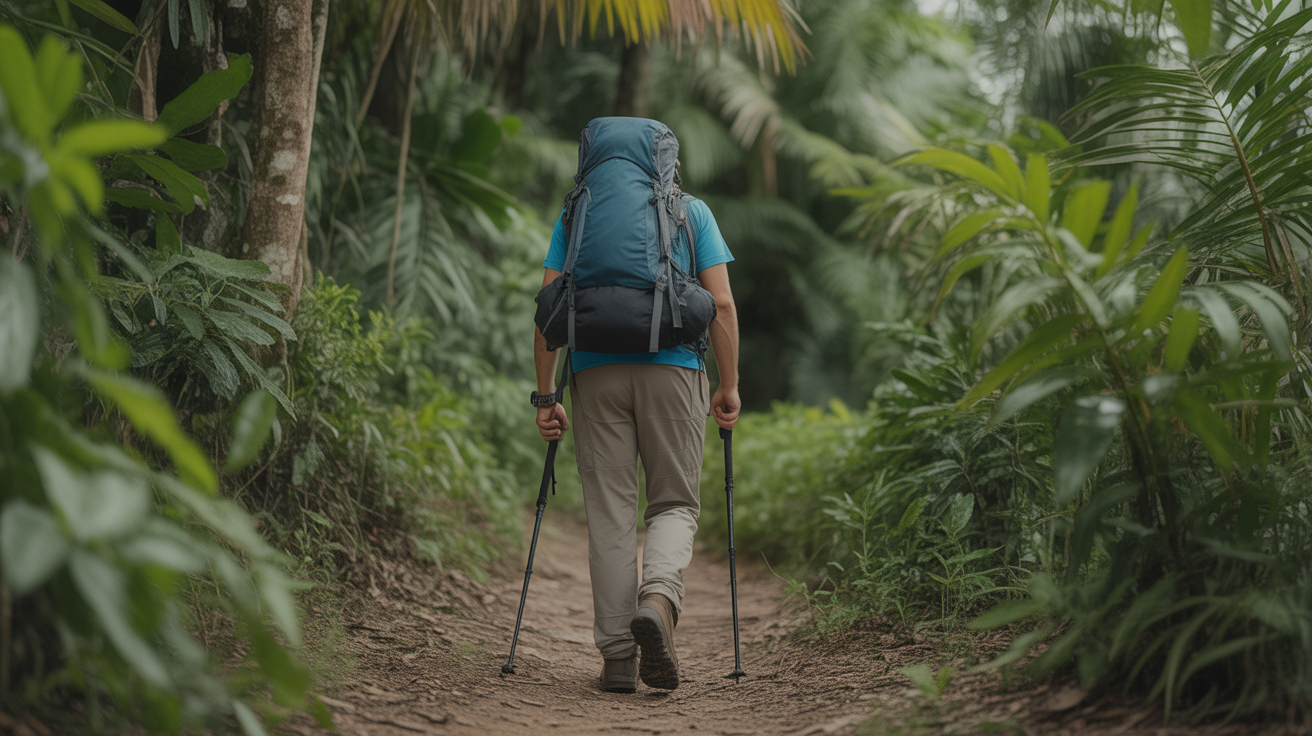
How to choose the right hiking backpack for day hikes is one of the most practical questions you can ask before your next outing – and the fact that you are asking it means you are already ahead of most people who just grab whatever bag is nearby and regret it halfway up the trail. The options at outdoor retailers and online stores can feel genuinely overwhelming. You will find packs labeled 10 liters, 30 liters, 45 liters, packs with hydration sleeves, chest straps, load lifters, and hip belts, and none of the tags tell you which one actually makes sense for a five-mile trail with a packed lunch and a rain layer.
The good news is that day hiking packs are far simpler than the marketing makes them appear. Once you understand a handful of core concepts – capacity, fit, organization, and carry comfort – the decision becomes much more manageable. This guide walks you through each of these concepts step by step so you can walk into your purchase with confidence rather than guesswork.
What to Look For
Start With Capacity: How Many Liters Do You Actually Need
Capacity is measured in liters and refers to how much volume a pack can hold. For day hikes, the sweet spot is almost always between 20 and 30 liters. A hiking daypack in the 20 to 30 liter range fits everything a typical day hiker needs: water, snacks, a first aid kit, an extra layer, sunscreen, and a phone charger, without forcing you to carry dead space on your back. Packs under 15 liters work for very short, low-effort outings but will leave you short on room the moment conditions change. Packs over 35 liters are built for overnight trips and tend to feel bulky and unbalanced when used for day hikes. When evaluating how to choose the right hiking backpack for day hikes, locking in your capacity range first eliminates about half the options immediately.
Torso Length and Fit: Why This Matters More Than Brand
The single most important factor in pack comfort is whether the pack fits your torso, not your height. Torso length is the distance from the top of your shoulders to the top of your hip bones. Most quality day packs come in small, medium, and large torso fits, and some brands offer adjustable suspension systems that let you dial in the fit precisely. A pack sized correctly for your torso will transfer the majority of its weight to your hip belt rather than hanging entirely from your shoulders. After a few hours on trail, that difference is enormous. When trying on a pack, load it with at least 10 to 15 pounds of gear before assessing fit. An empty pack feels comfortable on almost anyone – a loaded one reveals the truth quickly.
Hydration Options: Bladder or Bottle
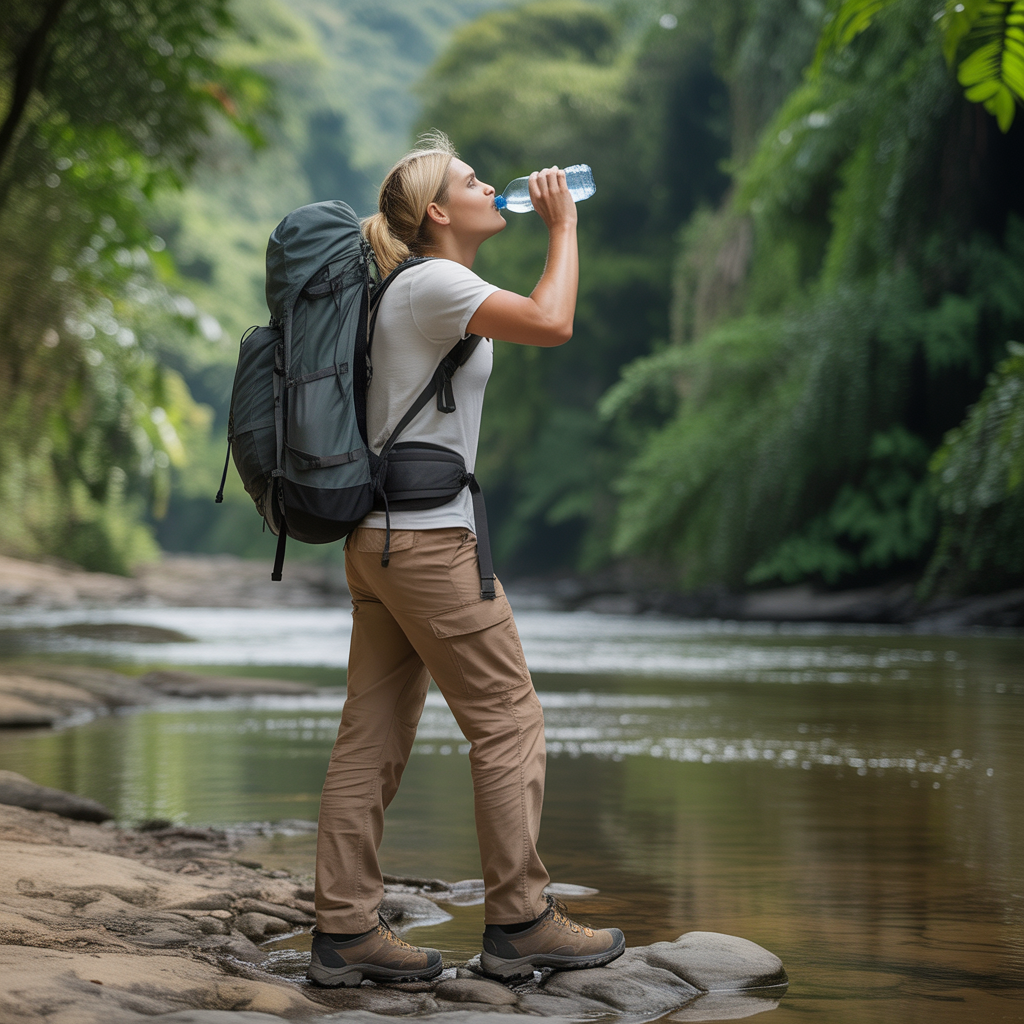
Most day hiking packs offer two hydration setups: a dedicated internal sleeve for a hydration pack with a reservoir and drink tube, or external side pockets sized to hold a standard hiking water bottle. Bladder systems keep water accessible without stopping to dig through your pack, which is a meaningful advantage on longer or more demanding hikes. Bottle pockets are simpler to clean and easier to refill at trailhead water sources. Many packs include both options, which gives you flexibility. If you are planning hikes over 8 miles or in warm conditions, a hydration reservoir setup is worth prioritizing. For shorter, easier outings, side pockets work perfectly well. Whichever system you choose, plan to carry a minimum of half a liter of water per hour of hiking under moderate conditions.
Organization and Pockets: What to Look For
Day packs vary significantly in how they organize your gear. At a minimum, look for a main compartment large enough to hold a layer and a first aid kit, at least one front or top-access pocket for items you need frequently, and those side water bottle pockets mentioned above. Hip belt pockets – small zippered pockets on the waist strap – are a feature worth seeking out because they keep your phone, energy chews, or lip balm accessible without stopping to remove the pack. Packs with a separate bottom compartment or a floating top lid offer additional organization that experienced day hikers tend to appreciate, but those are refinements rather than requirements. For most people learning how to choose the right hiking backpack for day hikes, a clean two or three compartment layout is easier to manage than a pack with a dozen specialized pockets you will never use.
Weight, Materials, and Durability
A day pack itself should not be heavy. Most quality 20 to 30 liter packs weigh between one and two pounds empty. Anything significantly heavier will add unnecessary fatigue before you even load your gear. Frame construction also matters: some packs include a thin internal framesheet or foam back panel that provides structure and keeps the pack from collapsing against your back. This improves airflow and load stability, especially once the pack is filled. For materials, look for packs made with nylon or ripstop polyester rated at 200 denier or higher – that rating indicates the thickness and density of the fabric weave. According to REI’s backpack buying guide, back panel ventilation systems that create a channel between your back and the pack significantly reduce heat and sweat buildup on warm-weather hikes, a feature worth considering if you hike in humid or hot conditions.
Safety-Minded Features Worth Noting
A few pack features serve a safety function that is easy to overlook until you need them. An external loop or compression strap for attaching trekking poles or a rain jacket keeps those items accessible without opening the main compartment. A rain cover – either built-in or sold separately – protects your gear on wet days. Some packs include a whistle integrated into the sternum strap buckle, which is a small but practical detail. The National Park Service recommends carrying the Ten Essentials on every hike, including navigation, sun protection, insulation, illumination, and first aid supplies. Knowing what you need to carry helps confirm whether the pack you are considering actually has room for those items. Understanding how to choose the right hiking backpack for day hikes is ultimately about matching the pack to what you plan to put in it – and making sure the load rides comfortably once it is full.
Frequently Asked Questions
What size backpack is best for a day hike?
For most day hikes, a pack between 20 and 30 liters is the right size. A 20-liter pack handles shorter hikes of two to five miles comfortably, fitting water, snacks, a phone, sunscreen, and a light layer. A 25 to 30 liter pack gives you room for a full day out – longer hikes, more clothing options, a larger first aid kit, and camera gear without feeling stuffed. Packs under 15 liters are better suited for quick jogs on well-maintained trails where you are traveling light. Packs over 35 liters are designed for overnight use and will feel awkward and oversized on a day trip unless you are hauling gear for a group or carrying specialized equipment. When you are thinking about how to choose the right hiking backpack for day hikes, matching capacity to your actual kit is the most direct path to a comfortable experience.
Do I need a hip belt on a day hiking backpack?
For hikes under two hours with a lightly loaded pack, a hip belt is optional. But for anything longer or heavier, a padded, functional hip belt makes a meaningful difference in how comfortable your carry feels over time. The hip belt transfers weight from your shoulders to your hips and core – the stronger, larger muscle groups in your body – which reduces fatigue significantly. Many compact day packs include a thin, non-padded sternum strap or a basic hip belt that stabilizes the pack without adding bulk. These are suitable for packs under 15 pounds. If you plan to carry a full 20 to 30 liter pack loaded with water, gear, and layers for a five-plus mile outing, look for a pack with a structured, padded hip belt and hip belt pockets for easy access to small items.
Should I get a hydration pack or carry water bottles in my day pack?
Both setups work well – the best choice comes down to your hiking style and the length of your typical outing. A hydration pack with a reservoir lets you drink through a tube without stopping, which is useful on technical terrain or when you are moving at a pace where stopping feels disruptive. Reservoirs typically hold one and a half to three liters and are easy to monitor your intake. Water bottles are simpler to clean, easier to refill at streams or fountains, and do not require threading a hose through your pack. Many hikers use both: a reservoir for primary hydration and a side-pocket bottle for electrolytes or a secondary backup. If you are new to day hiking, starting with a quality hiking water bottle in a side pocket is perfectly effective and removes one variable from your setup.
How much should I spend on a day hiking backpack?
A reliable day hiking pack does not require a premium investment. Quality packs in the 20 to 30 liter range are widely available across budget, mid-range, and premium price points. Entry-level packs from reputable brands can perform well for casual weekend hikers who are not covering extreme terrain or carrying heavy loads. Mid-range packs, typically in the $60 to $120 range, tend to offer better suspension systems, more durable fabrics, and more thoughtful organization. Premium packs above $150 add features like adjustable torso fit, advanced ventilation, and ultralight materials that matter most to frequent or long-distance hikers. If you are just getting started, a well-reviewed pack under $100 is a smart starting point. You can always upgrade once you understand what features actually matter for how you hike.
Can I use a regular backpack for day hiking?
You can, but there are real trade-offs. Standard school or laptop backpacks are not designed to distribute load across your hips and are built for vertical movement, not trail conditions. They typically lack hip belts, load lifters, sternum straps, and external attachment points for hiking gear. The back panel construction is designed for office or classroom use, not sustained physical activity. On a short, easy trail, a regular backpack will work in a pinch. On anything over three miles with significant elevation, the shoulder and neck fatigue from an ill-fitting pack becomes noticeable quickly. If you plan to hike more than once or twice a year, investing in a purpose-built daypack pays back that cost in comfort almost immediately. Knowing how to choose the right hiking backpack for day hikes means choosing gear that is built for the specific demands of the trail.
The Bottom Line
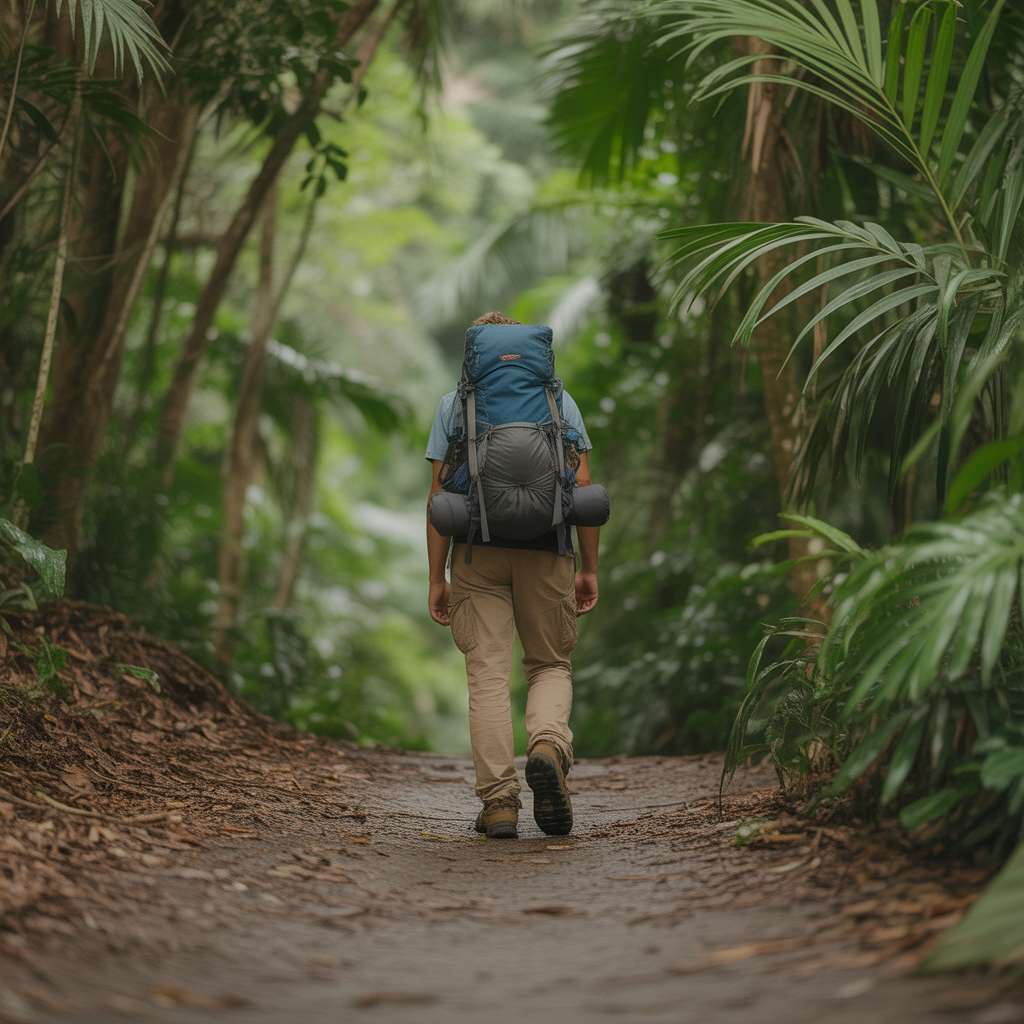
Knowing how to choose the right hiking backpack for day hikes comes down to a few decisions that, once made, make the rest easy. Start with capacity: 20 to 30 liters covers the vast majority of day hiking situations. Make sure the pack fits your torso length and test it loaded, not empty. Decide whether you prefer a hydration reservoir system or external bottle pockets – both work, and many packs support both. Look for a structured hip belt if you plan to carry more than 10 to 12 pounds. And keep organization simple: a clean two or three compartment layout beats a feature-heavy pack that adds confusion.
If you are heading out for your first few hikes on mellow, well-marked trails, a 20-liter pack in the $60 to $80 range will serve you well. If you are hiking longer distances, carrying gear for two, or starting to explore more challenging terrain, step up to a 28 to 30 liter pack with a proper suspension system. Budget-conscious hikers can find genuinely capable options without overspending – check out our roundup of hiking backpacks under $100 to find proven picks at accessible price points. The right pack will feel comfortable and stable across hours on trail so you can focus entirely on the views and the path ahead.
Disclosure: As an Amazon Associate, we earn from qualifying purchases. This does not affect our editorial recommendations.