
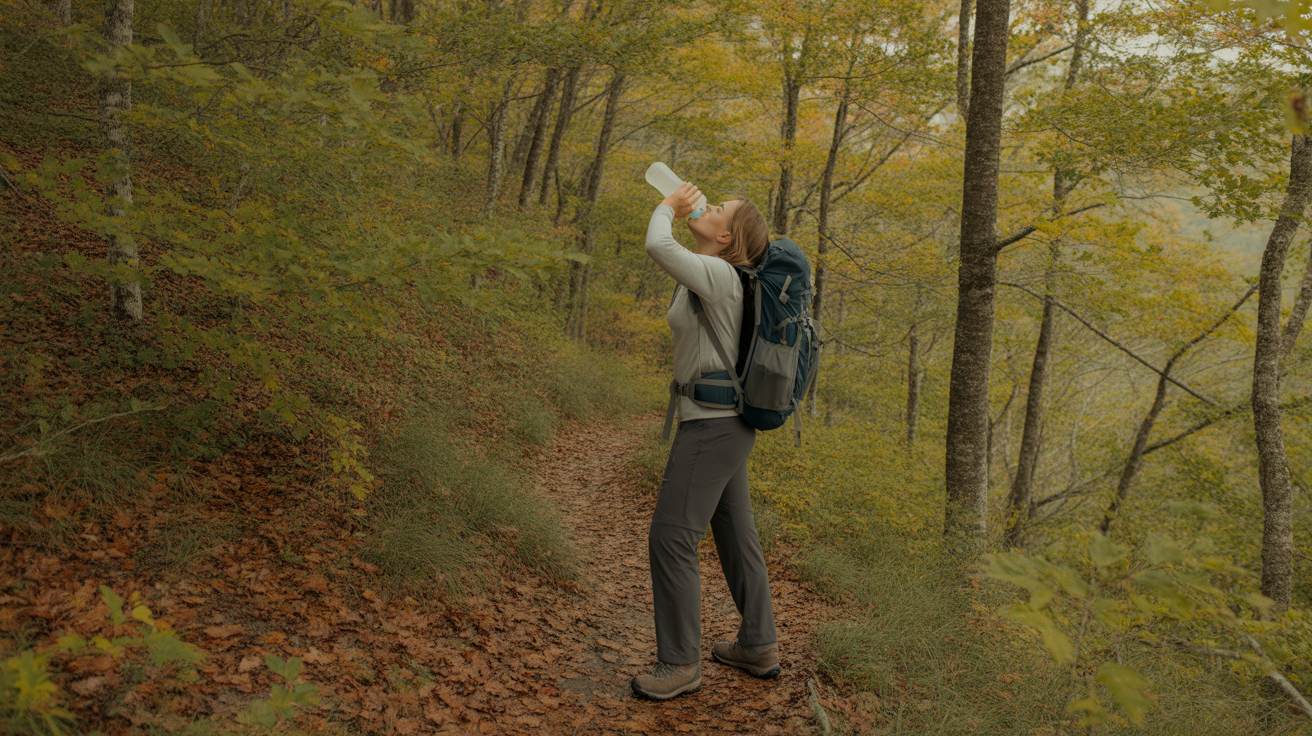
How to stay hydrated on long hikes is one of those questions that sounds simple until you are standing at a trailhead wondering if two bottles will be enough – or hauling a pack so heavy with water that your shoulders ache before mile one. Getting hydration right is genuinely one of the biggest differences between a hike that feels great and one that leaves you exhausted, headachy, and swearing off trails forever.
The good news is that there is no mystery here. Once you understand how much water your body actually needs on the trail, what affects that number, and which system works best for your hike length, it all clicks into place. This guide covers everything: the math behind water volume, the difference between carrying and filtering, and exactly which setup makes sense for a two-hour loop versus a full-day mountain route.
What to Look For
How Much Water Do You Actually Need on a Hike
The most common rule you will hear is half a liter – roughly 17 ounces – per hour of hiking. That is a solid baseline for a moderately paced hike on a mild day. But it is just a starting point. Heat, elevation, body size, and effort level all push that number up. On a hot summer day or a steep climb, a liter per hour is more realistic for most people. A 175-pound hiker working hard in 85-degree heat will sweat far more than someone strolling a shaded flat trail at 65 degrees. When you plan your water volume, always round up rather than down – running short on a trail is dangerous, and carrying a little extra weight is a small price to pay.
Factors That Change Your Hydration Needs
Several variables can push your water needs well beyond the basic formula. Altitude is a big one: at higher elevations, your breathing rate increases and your body loses more moisture through respiration, even when you do not feel particularly sweaty. Direct sun exposure speeds up fluid loss significantly compared to shaded forest trails. Humidity works both ways – humid air can make you feel like you are sweating less because sweat does not evaporate as quickly, but you are still losing fluid. If you are hiking with a dog, factor in their water needs separately. A medium-to-large dog on a warm day may need close to a liter of water per hour of activity, and carrying a dog water bottle for hiking makes on-trail hydration stops much easier.
Carrying vs. Filtering: Knowing When to Do Each
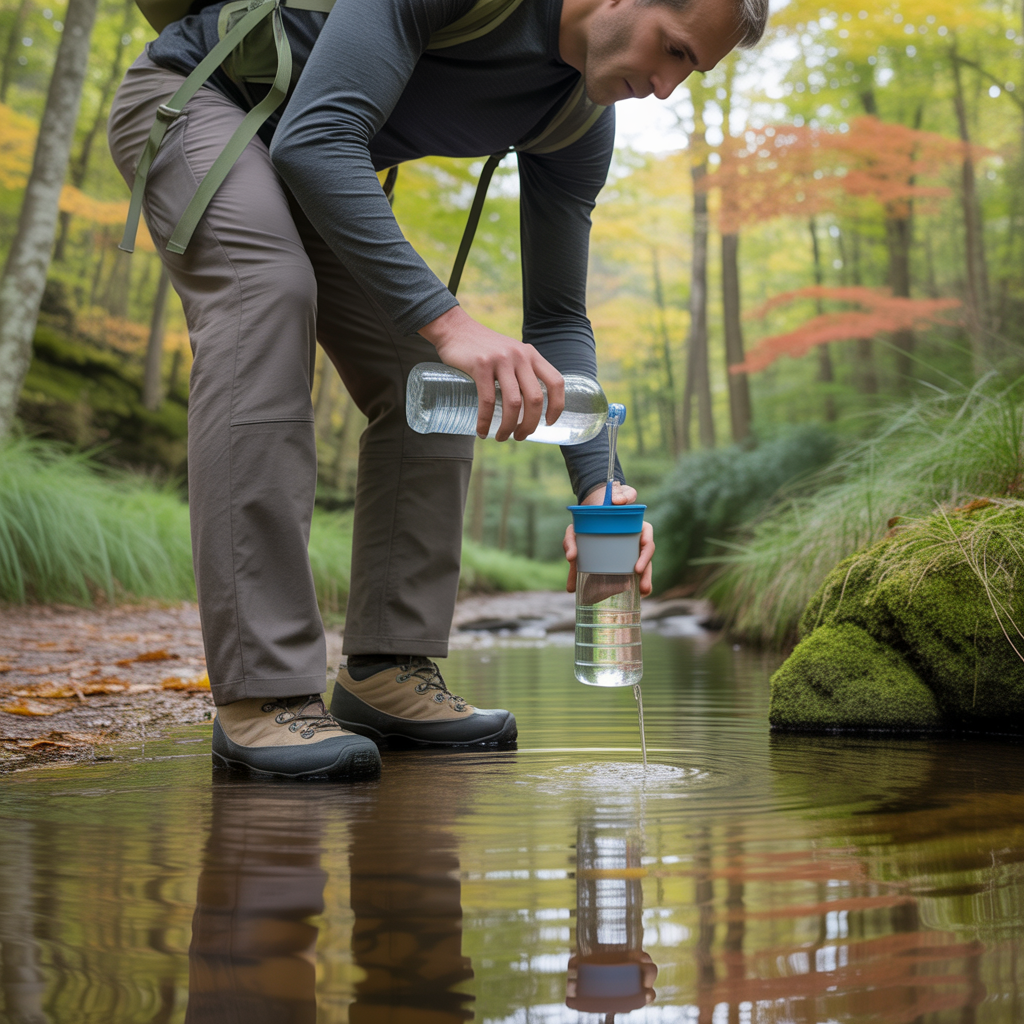
For hikes under four hours on a maintained trail with no water sources, carrying everything you need is the simplest approach. Use a good hiking water bottle – ideally insulated to keep water cool – and pack according to your calculated needs. For longer hikes or multi-day outings near streams, lakes, or springs, a portable water filter changes the equation entirely. Instead of hauling a full day of water from the start, you can carry a lighter load and refill from natural sources. Always check trail maps and recent trip reports before counting on water sources – streams marked on maps can run dry in summer, and conditions change seasonally.
Hydration Systems: Bottles vs. Bladders
The two main systems hikers use are water bottles and hydration reservoirs (also called bladders or water bladders). Bottles are simple, easy to clean, and easy to monitor – you can see exactly how much you have left at a glance. A hydration pack with a built-in reservoir and a drink tube lets you sip constantly without stopping or reaching into your pack, which encourages more frequent drinking and helps prevent dehydration before it starts. Many hikers use both: a bladder in the pack for steady sipping and a bottle in a side pocket for easy access at rest stops. For day hikes under five miles, bottles alone work well. For anything longer, a hydration reservoir is worth the small learning curve.
Electrolytes: The Part Most Hikers Miss
Water alone is not always enough on longer hikes. When you sweat, you lose sodium, potassium, and magnesium – the minerals your muscles and nervous system depend on. You do not need expensive sports drinks to address this. Electrolyte powder or tablets mixed into your water are lightweight, effective, and easy to carry. Salty snacks at rest stops also help. According to the National Park Service, drinking water consistently throughout a hike and pairing it with salty snacks is one of the most effective ways to prevent heat-related illness on the trail. The NPS guidance specifically notes that maintaining electrolyte balance through both hydration and food intake helps your body retain fluids and supports normal muscle and nerve function during prolonged activity in heat.
Practical Hydration Strategy for Different Hike Lengths
For hikes under 2 hours: carry at least one liter and drink before you feel thirsty. Thirst is a late signal – by the time you notice it, you are already slightly behind. For hikes of 2 to 5 hours: plan for at least 0.5 to 1 liter per hour, check the trail for water sources in advance, and carry electrolytes if the day is warm. For full-day hikes of 6 or more hours: a hydration reservoir combined with a portable water filter gives you maximum flexibility. Identify water sources on your map before you leave, and treat every natural water source regardless of how clean it looks. Giardia and other waterborne pathogens are invisible and odorless – a filter is non-negotiable. You can find detailed guidance on trail water safety at REI’s backcountry water treatment guide, which covers filter types, chemical treatments, and when each method is appropriate.
Frequently Asked Questions
How much water should I drink per hour when hiking?
The standard guideline is about half a liter – roughly 17 ounces – per hour of hiking under moderate conditions. That number goes up in heat, at altitude, or on steep terrain where your effort level increases. A good rule of thumb is to drink before you feel thirsty, because thirst is a delayed signal. By the time your mouth feels dry, your body is already slightly dehydrated. Set a reminder on your phone or watch to take a few sips every 15 to 20 minutes rather than waiting until a rest stop. If you are on a long or strenuous route, sipping consistently through a hydration pack hose is one of the easiest ways to stay ahead of your fluid loss without interrupting your stride. Pairing your water intake with small amounts of salty snacks also helps your body retain what you are drinking and keeps your electrolyte levels stable.
Is it safe to drink water from streams when hiking?
Natural water sources in the backcountry – streams, lakes, and springs – can look perfectly clear and still carry harmful pathogens like Giardia, Cryptosporidium, and bacteria that cause serious gastrointestinal illness. You should never drink untreated water from any natural source, no matter how remote or pristine the area looks. The three main treatment options are filtration, chemical treatment (iodine or chlorine dioxide tablets), and UV purification. A portable water filter is the most popular choice among day hikers and backpackers because it removes pathogens immediately without a waiting period and requires no chemical taste. Squeeze filters and pump filters are both reliable. Always filter before drinking, and even filter water used for cooking or brushing your teeth in the backcountry. This one habit eliminates the most common cause of hiker illness on multi-day routes.
What are signs of dehydration on a hike?
Dehydration on the trail often creeps up gradually, which is why recognizing the early signs matters. The first signals are usually a dry mouth and reduced urine output. Many hikers notice changes in their urine color as well – while individual variation exists and factors like vitamins and medications can affect color, staying well-hydrated generally results in lighter colored urine. As dehydration progresses, symptoms include fatigue that feels disproportionate to your effort, a dull headache, mild dizziness, and difficulty concentrating on the trail. In more serious cases, muscle cramping can occur, particularly in the legs. If you or anyone in your group begins to feel significantly dizzy, confused, or stops sweating on a hot day, find shade immediately, rehydrate with water and electrolytes, and seek help if symptoms do not improve. The best strategy is consistent, proactive drinking throughout the hike rather than catching up after you feel off. Learning how to stay hydrated on long hikes before symptoms appear is always easier than recovering mid-trail.
Should I use a hydration pack or water bottles for hiking?
Both systems work well, and many hikers use them together. Water bottles are simple, durable, and easy to monitor – you always know exactly how much water remains. A hydration pack with a reservoir and drink tube encourages more consistent sipping because the water is always accessible without stopping or digging through your bag. Research consistently shows that hikers who use a drink tube system drink more water overall than those using bottles alone, which directly reduces dehydration risk on longer routes. For hikes under three hours, a water bottle or two is usually sufficient. For longer hikes, especially in heat or at elevation, a hydration reservoir paired with a filter and backup bottle gives you the most flexibility. The best answer is the system you will actually use consistently – both options work if you drink from them regularly.
The Bottom Line
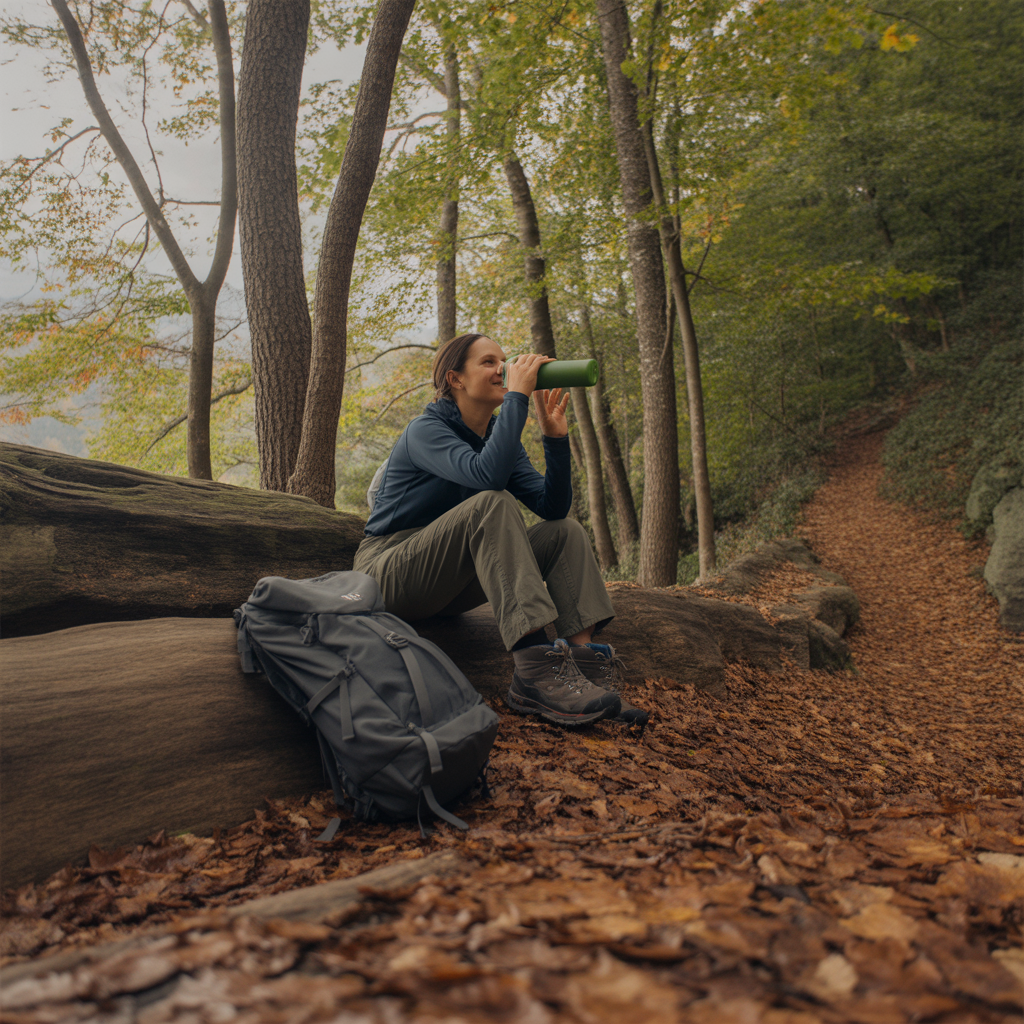
Knowing how to stay hydrated on long hikes comes down to three things: calculating the right amount of water before you leave, choosing the right system for your hike length, and drinking consistently rather than waiting until you feel thirsty. If you are heading out for a short loop under two hours, a reliable water bottle or two and some salty snacks will cover you. For a half-day or full-day route, a hydration pack reservoir combined with a portable filter gives you the flexibility to go farther without the weight of carrying every drop from the trailhead. If you hike in heat, at altitude, or push hard on steep terrain, add electrolytes to your water strategy – they make a noticeable difference in how you feel at the end of a long day. No matter what trail you choose, the goal is the same: drink before thirst hits, refill whenever you have a safe source, and treat every natural water source without exception. Staying hydrated on the trail is not complicated once the system is in place. Get that part right, and everything else about hiking gets easier.
Disclosure: As an Amazon Associate, we earn from qualifying purchases. This does not affect our editorial recommendations.