
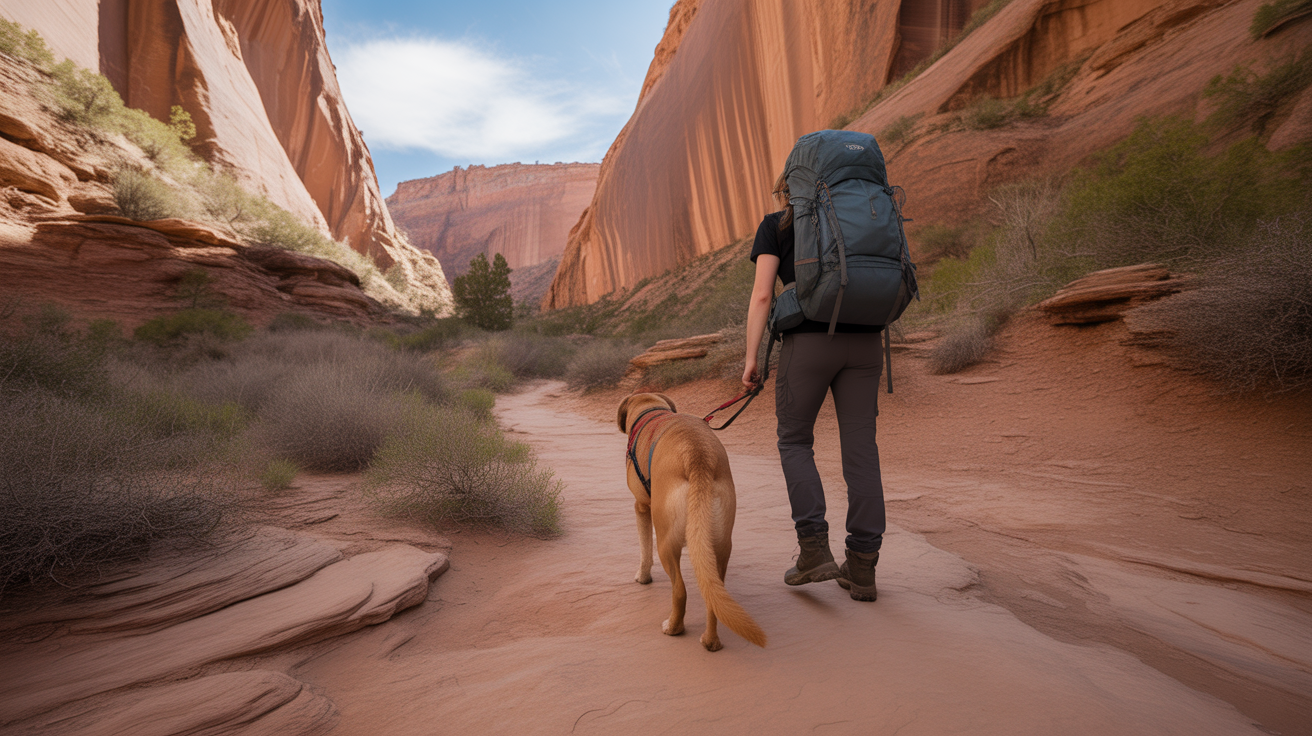
How to Hike With Your Dog: A Complete Beginner’s Guide starts with one simple truth – bringing your dog on a trail is one of the most rewarding things you can do together. But if you have never done it before, it is completely normal to feel unsure about where to begin, what to bring, and whether your dog is even ready for it. You are not alone in that feeling, and the good news is that hiking with a dog is very manageable once you know the basics.
This guide breaks everything down step by step – from choosing the right trail and packing the right gear to understanding trail etiquette and recognizing when your dog needs a break. Whether your dog is a bouncy two-year-old Labrador or a calmer older rescue, the principles are the same. By the time you finish reading, you will have a clear picture of exactly what you need to do before, during, and after your first hike together.
What to Look For
Is Your Dog Ready to Hike?
Not every dog is ready for the trail on day one, and that is perfectly okay. Before you plan your first outing, have a quick conversation with your veterinarian – especially if your dog is a puppy under 12 months, a senior, or a breed known for joint sensitivity like a Basset Hound or Bulldog. Puppies still have developing joints that can be stressed by uneven terrain, while older dogs may tire faster than they used to. Your vet can give you a realistic picture of how far and how hard your specific dog can hike. Once you have that green light, you are ready to start planning.
Choosing the Right Trail for Your First Hike
For your first hike together, shorter and flatter is always better. A 2 to 4 mile loop with minimal elevation gain gives both of you a chance to figure out the rhythm without overextending. Look for dog-friendly trails on AllTrails, which lets you filter specifically for trails that allow dogs. Pay attention to whether the trail requires dogs to be on leash – many public parks and national park trails do. Avoid trails with exposed rock faces, river crossings, or extreme heat in summer until you and your dog have a few hikes under your belt. Desert trails in particular can have surfaces that heat up to dangerous temperatures, so always check trail conditions before you go.
Gear Your Dog Actually Needs
You do not need to spend a fortune to start hiking with your dog, but a few key items make a real difference. The most important piece of equipment is a reliable dog leash for hiking – standard retractable leashes are not suitable on the trail because they offer little control on narrow paths or around other hikers. A fixed-length 4 to 6 foot leash is the standard for most trails. Pair it with a well-fitted dog hiking harness rather than attaching the leash directly to a collar, which puts pressure on your dog’s neck if they pull.
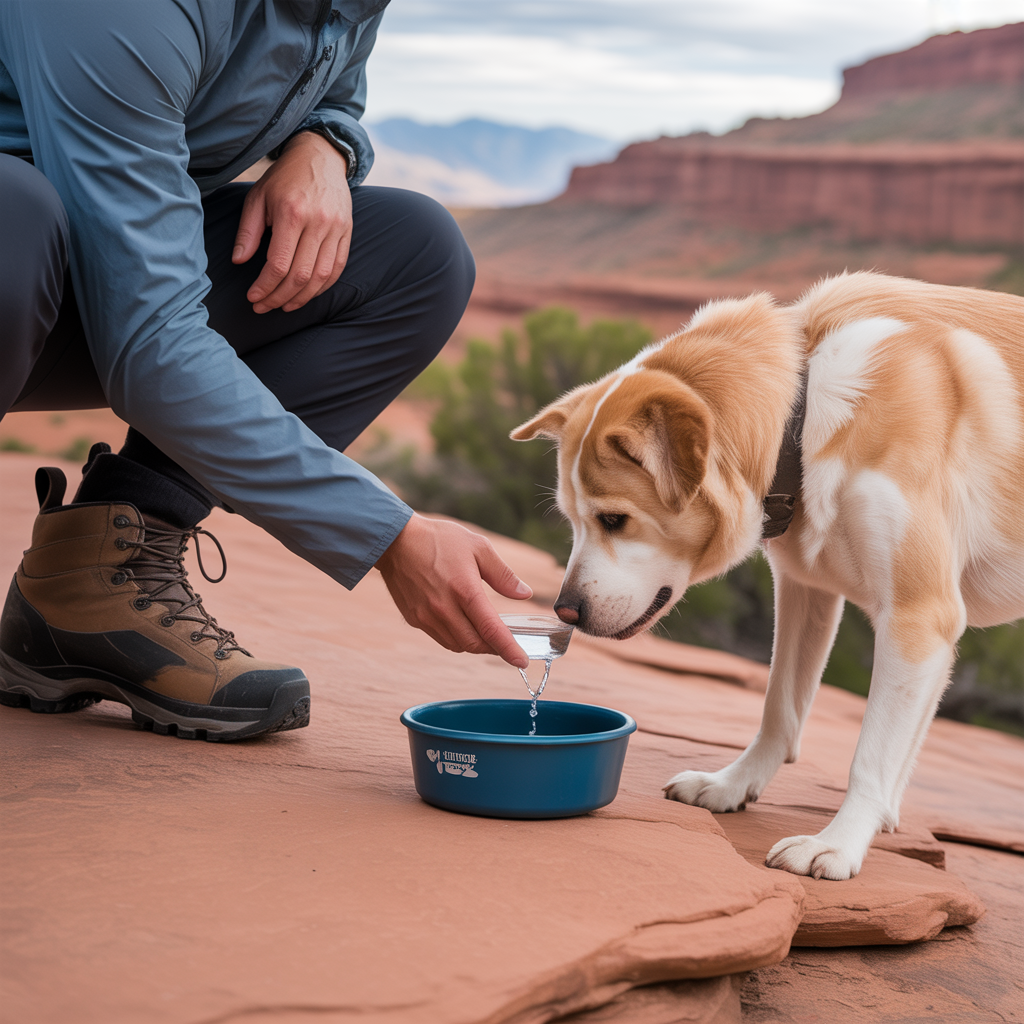
Hydration is non-negotiable. Dogs cannot sweat the way humans do, so they overheat faster and need water more frequently. A dedicated dog water bottle for hiking that doubles as a dispenser makes it easy to offer water without carrying a separate bowl. If you prefer a bowl, a collapsible dog bowl packs flat and fits in any pocket. Aim to offer water every 15 to 30 minutes, or whenever your dog is panting heavily.
For longer hikes, a dog first aid kit for hiking is worth carrying. It should include antiseptic wipes, bandage wrap, tweezers for splinter or thorn removal, and a tick removal tool. Paw injuries, cuts from sharp rocks, and tick bites are the most common trail issues dogs face, and having the right supplies on hand means you can handle them calmly without cutting your hike short.
What to Watch for on the Trail
Dogs are enthusiastic on the trail and will often push past their own limits to keep up with you. It is your job to watch for signs that they need a break. Heavy, non-stop panting, lagging behind, lying down mid-trail, and excessive drooling are all signs your dog may be overheating or exhausted. If you notice any of these, stop immediately, find shade, offer water, and let your dog rest before deciding whether to continue or turn back. On hot days, plan your hike for early morning when temperatures are lower and trail surfaces have not yet absorbed the day’s heat.
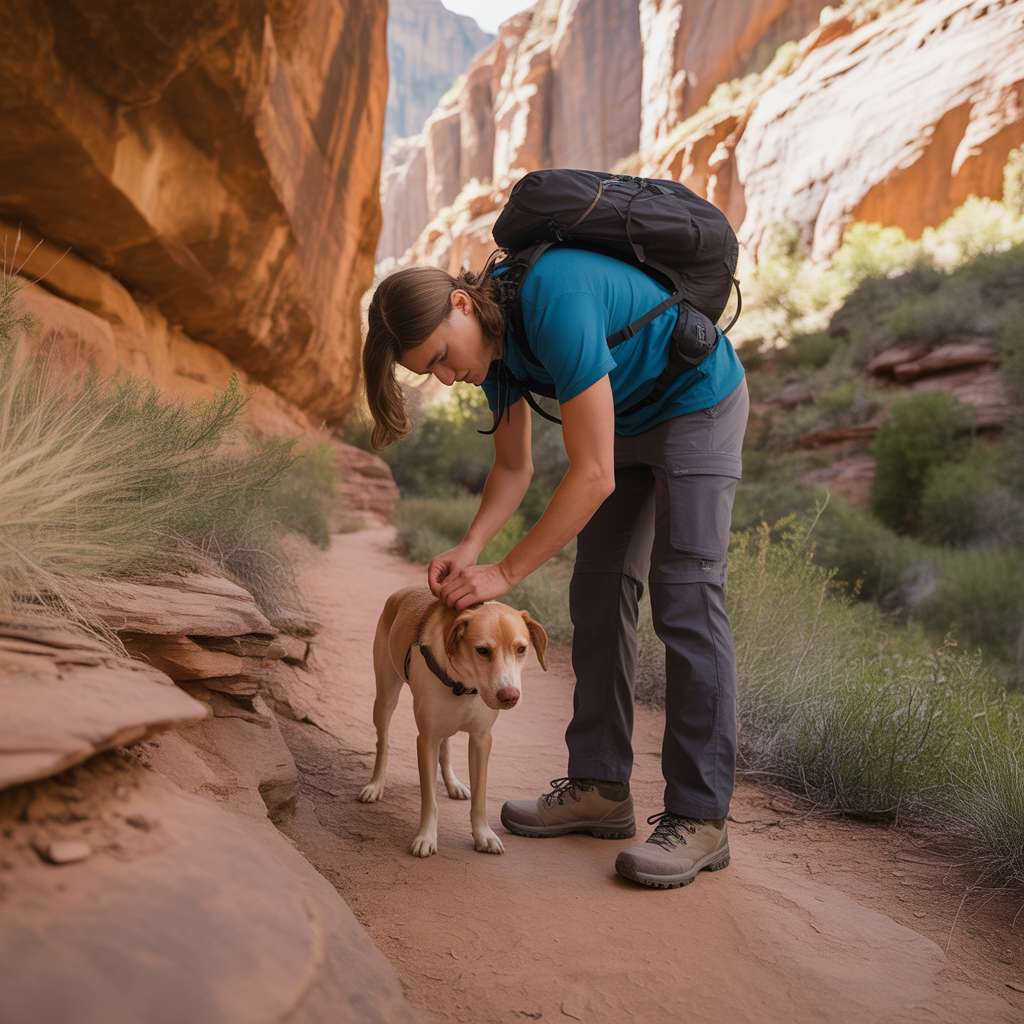
Also watch where your dog is sniffing and stepping. Desert trails in particular can harbor rattlesnakes, cacti, and sharp rocks that can cut paw pads. After every hike, check your dog’s paws for cuts, cracked skin, or embedded debris. A good dog paw balm applied after hiking helps soothe and protect pads, especially on rough or hot terrain.
Trail Etiquette When Hiking With Your Dog
Being a good trail neighbor matters, especially as more people bring dogs to popular trails. Always keep your dog on leash unless you are on a designated off-leash trail – even if your dog has excellent recall, other hikers and dogs may not appreciate an off-leash dog approaching them. When you pass other hikers, step to the side and ask your dog to sit or stay close. If you encounter other dogs, do not assume every dog is friendly – ask the other owner before allowing dogs to greet.
Clean up after your dog every single time. Pack out waste bags even when a trail does not have bins nearby. According to Leave No Trace, properly disposing of pet waste is a core principle of responsible outdoor recreation and helps protect water sources and wildlife that share the trail. Following these simple courtesies means dogs remain welcome on more trails for everyone.
Frequently Asked Questions
What do I need to bring when hiking with my dog?
The essentials for hiking with your dog are water, food, a leash, waste bags, and a basic first aid kit. For water, plan to bring about one extra cup of water per hour of hiking for every 20 pounds your dog weighs — more in hot weather. A collapsible bowl or a bottle designed for dogs makes offering water on the trail much easier. Bring enough of your dog’s regular food or high-value treats to keep their energy up, especially on hikes over two hours. Always carry waste bags and pack them out, even on backcountry trails. A dog first aid kit rounds out the core kit and prepares you for the most common trail issues like cuts, paw injuries, and tick bites. For longer or more remote hikes, consider adding a dog harness with a handle so you can assist your dog over rough terrain.
How far can a dog hike in a day?
Most healthy adult dogs in good condition can comfortably hike 5 to 10 miles in a day, but this varies enormously based on breed, age, fitness level, and trail conditions. A young high-energy dog like a Border Collie or Australian Shepherd can handle much more than a short-legged Dachshund or a flat-faced Bulldog. For your very first hike together, aim for 2 to 4 miles at an easy pace. Build up distance gradually over several outings just as you would for yourself. Older dogs and puppies should stay on the shorter end regardless of how energetic they seem. On hot days, distance should be cut in half compared to cool weather hikes. Always let your dog’s behavior guide you — if they are slowing down, lying down, or panting excessively, that is your signal to turn around or take a long rest break.
How do I protect my dog from ticks on a hiking trail?
Tick prevention starts before you leave home. Talk to your veterinarian about the best preventive treatment for your dog — options include monthly oral medications, tick collars, and topical spot treatments, and the right choice depends on where you hike and your dog’s health. On the trail, stick to the center of the path and avoid letting your dog push through dense brush or tall grass where ticks hide. After every hike, do a full body tick check on your dog — run your fingers through their coat focusing on ears, between toes, around the collar area, and the groin. Check yourself at the same time. A dog tick removal tool makes it easy to remove ticks cleanly without squeezing the body. Remove ticks promptly and monitor the area for a few days.
Should I use a harness or collar when hiking with my dog?
A harness is almost always the better choice for trail hiking. When a leash is attached to a collar and your dog pulls — which most dogs do on exciting new terrain — the pressure goes directly onto the neck and throat. Over a long hike, this can cause discomfort and in some cases injury. A harness distributes that pressure across the chest and shoulders instead, which is much more comfortable for your dog. Look for a harness with a top handle so you can give your dog a boost over obstacles like logs or steep steps if needed. A well-fitted dog harness for hiking trails should allow two fingers to fit comfortably under the straps at any point. Avoid harnesses that restrict shoulder movement, which can affect your dog’s natural gait on uneven ground.
The Bottom Line
How to Hike With Your Dog: A Complete Beginner’s Guide comes down to one core idea — preparation makes everything easier and more enjoyable for both of you. Start with a short, dog-friendly trail. Bring water, a leash your dog cannot bolt away from, and the basics for paw and first aid care. Watch your dog’s energy level honestly and turn back before they are exhausted rather than after.
If you are heading out for your very first hike together, keep it under 3 miles and go in the cooler part of the morning. If your dog is already used to long walks and you want to push further, build up to 6 or 8 miles over several outings. If you are on a budget, the non-negotiables are a good leash, a water solution, and waste bags — everything else can be added over time.
The trail rewards everyone who shows up prepared. Your dog does not care about the view or the elevation gain — they care about being with you, sniffing new things, and moving through the world at your side. That combination is hard to beat. Now go find a trail and enjoy it together.
Disclosure: As an Amazon Associate, we earn from qualifying purchases. This does not affect our editorial recommendations.