
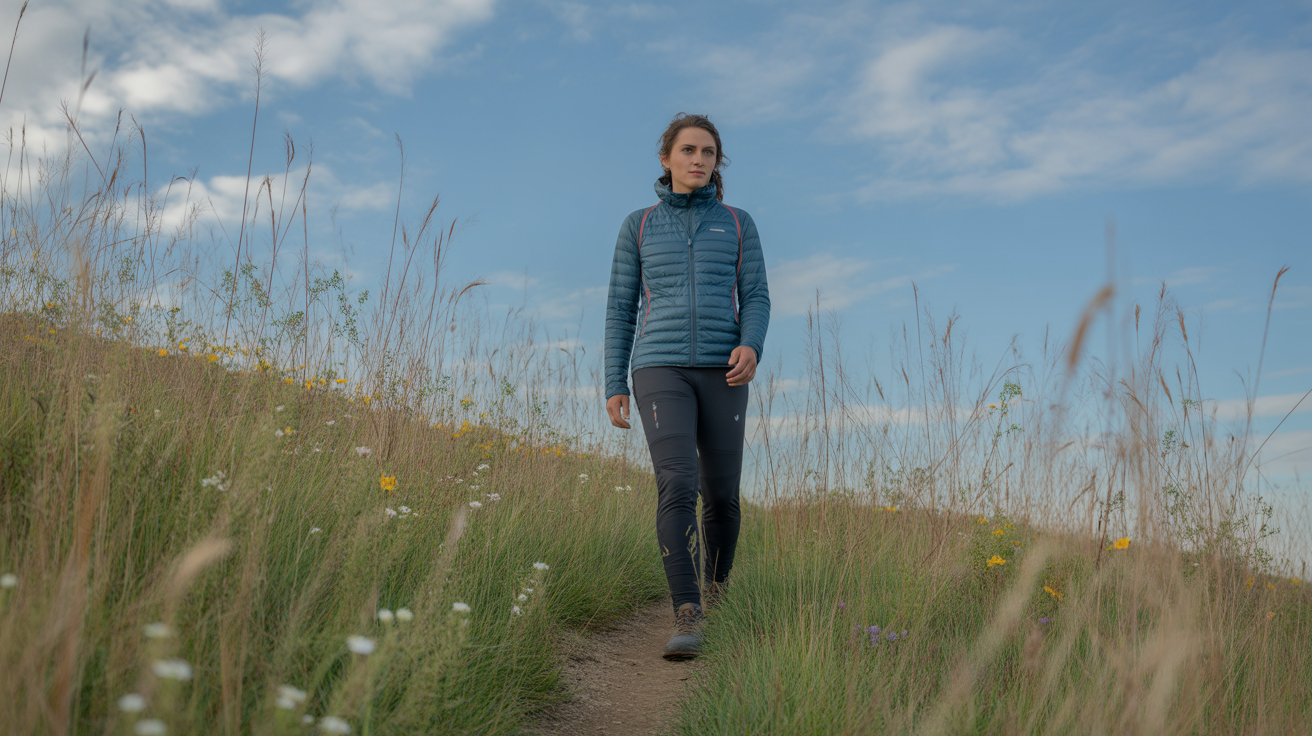
How to keep yourself warm without overheating on a hike is one of those problems that sounds simple until you are halfway up a steep climb, sweating through your shirt, knowing a cold ridgeline is waiting at the top. You strip a layer, stuff it in your pack, and fifteen minutes later you are standing in the wind, wishing you had not. It is a cycle that frustrates hikers of every experience level, and it does not have to be that way.
The good news is that managing your body temperature on the trail is less about having the perfect gear and more about having a reliable system. Once you understand how heat moves through your body and how different conditions pull that heat away, you can make small, proactive adjustments instead of reactive ones. This guide will walk you through exactly that system so you can spend less time fumbling with your pack and more time actually enjoying the trail. If this is your first season hiking in variable weather, these strategies will give you the confidence to handle changing conditions without second-guessing every layer choice.
What to Look For
Why Your Body Temperature Swings So Much on a Hike
To understand how to keep yourself warm without overheating on a hike, it helps to understand what is actually happening to your body. When you climb, your muscles generate heat rapidly. Your core temperature rises, your body responds by pushing heat to the surface of your skin, and you start to sweat. That sweat is your built-in cooling system working exactly as designed. The problem is that once you stop climbing and step onto an exposed ridgeline, that moisture on your skin and in your layers becomes the enemy. Wind and lower temperatures pull heat away from a wet body much faster than from a dry one. This is called evaporative cooling, and it is the main reason hikers get cold so quickly after stopping.
Understanding this cycle is the first step. The second step is building a system that accounts for it before it happens.
The Layering System Explained Simply
The layering system is a three-part approach to managing body temperature in changing conditions. Each layer has a specific job, and none of them work as well alone as they do together.
The base layer sits directly against your skin. Its job is to move sweat away from your body so you do not stay wet. A merino wool base layer for hiking is one of the most effective options because merino regulates temperature naturally, resists odor, and manages moisture without feeling clammy. Synthetic base layers are also a solid choice and typically cost less.
The mid layer is your insulation. This is what traps warm air close to your body. Fleece, down, and synthetic insulation are all common choices here. The mid layer is the one you will add or remove most often as conditions change.
The outer layer is your shield against wind and precipitation. A good rain jacket for hiking or a windbreaker jacket can make an enormous difference on an exposed ridgeline even when it is not raining, because blocking wind alone significantly reduces heat loss.
How to Adjust Layers Without Constant Full Stops
The biggest mistake hikers make is waiting too long to adjust. By the time you are sweating heavily, your base layer is already saturated. By the time you are shivering, you have already lost significant body heat. The goal is to stay slightly cool while moving and to add warmth before you stop, not after.
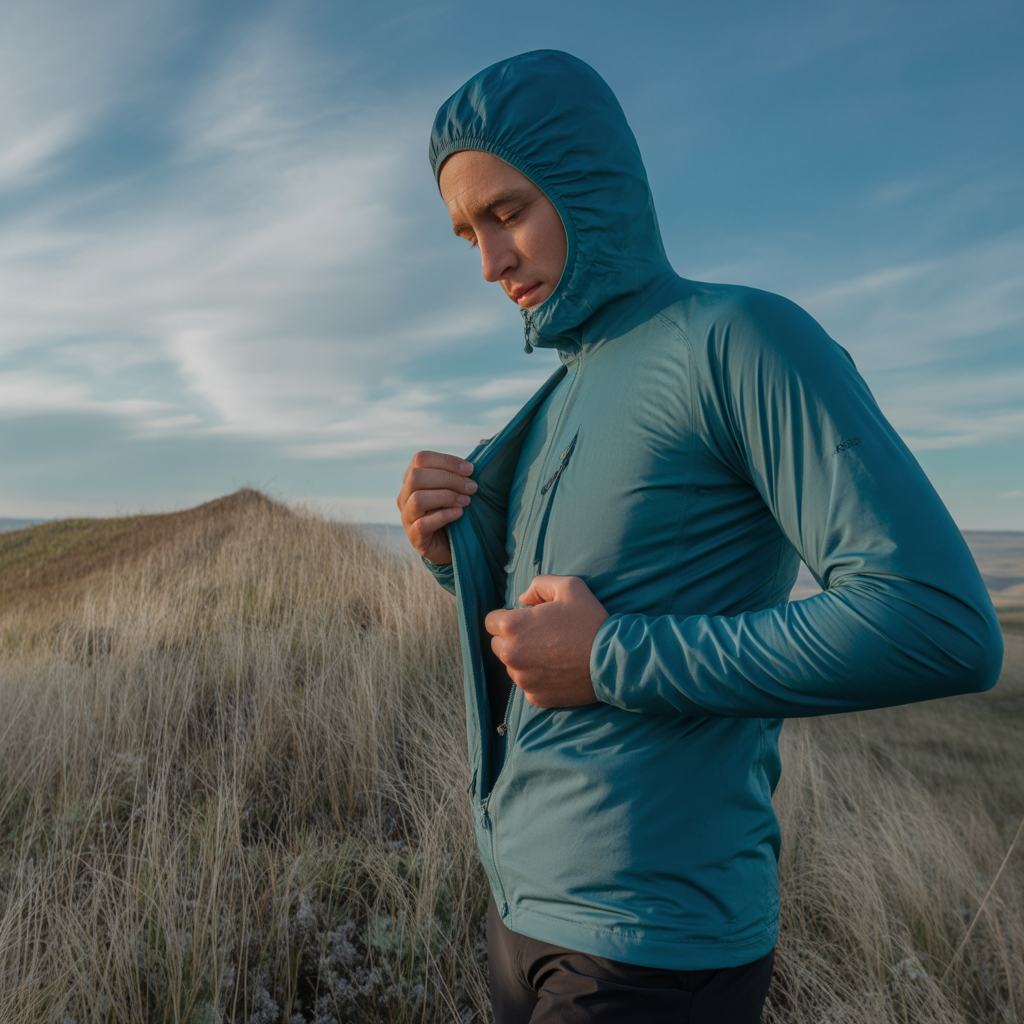
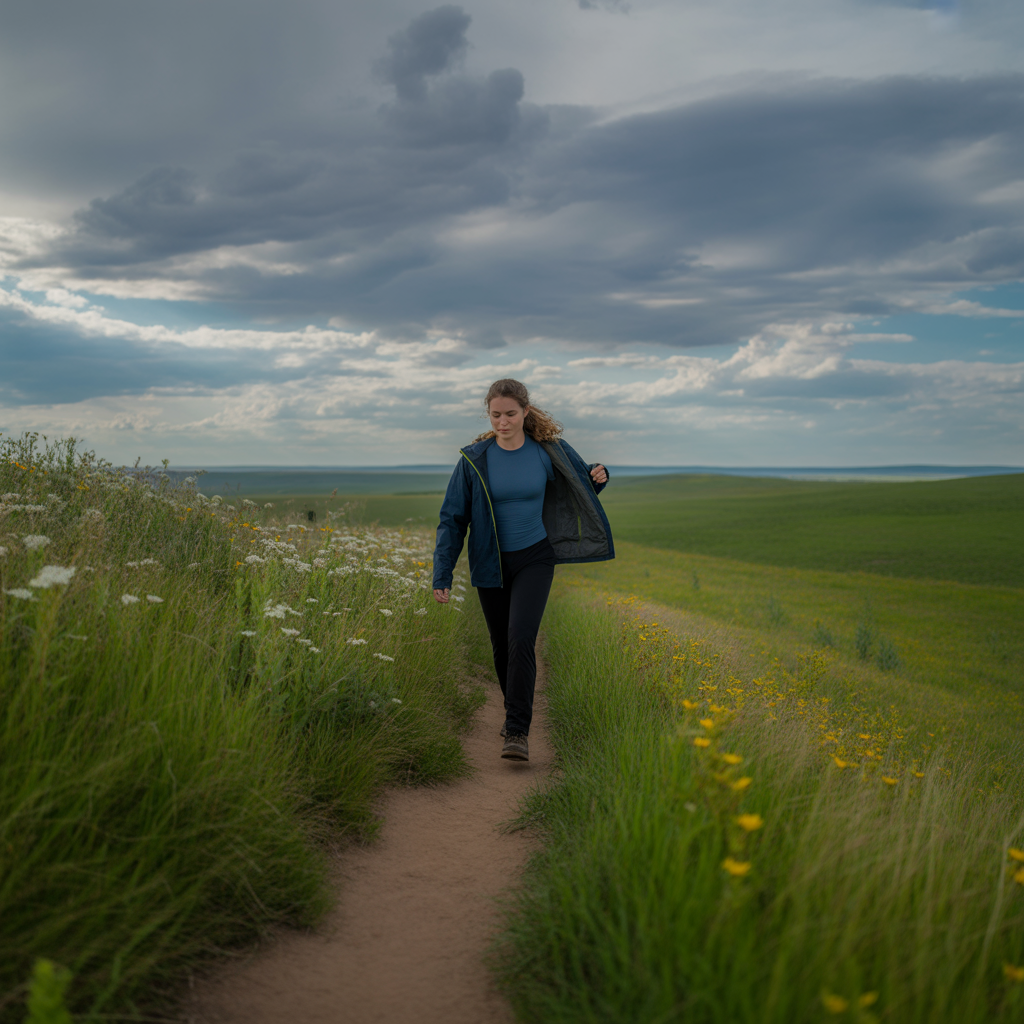
Here is a practical approach. About five minutes before you expect to slow down or stop, add your mid layer back on. Your body heat will keep it warm for a few minutes while you transition, and you will not start shivering before the insulation kicks in. When you are climbing hard and feel heat building, try venting before removing a full layer. Unzip your jacket, push up your sleeves, or open a chest zipper. Small adjustments like these can bleed off just enough heat to stay comfortable without disrupting your momentum.
For your hands and neck specifically, small accessories make a big difference with almost no pack weight penalty. A neck gaiter can be pulled up over your chin in wind and dropped around your neck during climbs in about two seconds. Lightweight gloves can go on and off without breaking stride. These small pieces of gear give you fast temperature control at your extremities where you feel cold first.
Moisture Management Is Just as Important as Warmth
Staying dry is how you stay warm. This is not just about rain. Your own sweat is the bigger threat on most hiking days. A soaked cotton shirt in cold wind can drop your core temperature faster than almost any other scenario, which is why cotton has no place in your hiking kit. Stick to wool or synthetic fabrics throughout your layer system.
Pace management is also part of moisture control. If you are consistently drenching your base layer on every climb, consider slowing your pace slightly. A slower, steadier effort generates less heat, less sweat, and means your layers stay more functional throughout the day. It is also just a more sustainable way to hike longer distances.
Reading the Terrain and Weather Before You Get There
Knowing how to keep yourself warm without overheating on a hike also means reading what is coming before it arrives. If you can see an exposed saddle or ridgeline ahead, that is your cue to start thinking about your outer layer. If you know a long descent follows a brutal climb, do not let yourself get fully soaked at the top because that descent in wet layers will be miserable.
Check conditions before you leave the trailhead. According to the National Park Service, temperature changes of 30 degrees or more between valley floors and exposed summits are common, and hikers should always prepare for conditions colder and windier than what they experience at the start. Building this awareness into your planning removes a lot of the guesswork on the trail itself.
The Minimal Kit That Handles Most Conditions
You do not need a massive pack to manage your temperature well. For most three-season day hikes, the following is enough: a moisture-wicking base layer, a lightweight mid layer (fleece or a packable insulated jacket), a wind-resistant or waterproof outer shell, a neck gaiter, and lightweight gloves. A well-fitted hiking daypack with accessible outer pockets means your layers are reachable without unpacking everything every time you need to adjust.
For reference on building your kit for more challenging conditions, REI’s layering basics guide is a useful resource for understanding how to scale the system up for cold weather, alpine terrain, or longer trips.
The system does not have to be complicated. It just has to be consistent.
Frequently Asked Questions
What should I wear hiking to stay warm but not get too hot?
The best approach is to wear a moisture-wicking base layer directly against your skin, a packable mid layer for insulation, and a wind-resistant outer shell that you can easily remove and stow. Avoid cotton in any of these layers because it holds moisture against your skin and makes you colder when the temperature drops or the wind picks up. Merino wool and synthetic fabrics are both excellent choices because they move sweat away from your body while still providing warmth. The key is building your kit around layers you can add or remove quickly rather than trying to find one perfect piece of clothing that does everything. Accessories like a neck gaiter and lightweight gloves also give you fast, no-stop temperature control at your most vulnerable spots. Think of the system as adjustable rather than fixed.
Why do I get so cold after stopping on a hike even when I was hot a minute ago?
This is one of the most common experiences on the trail, and it comes down to evaporative cooling. When you are climbing hard, your body generates heat and you sweat. That sweat sits on your skin and in your base layer. The moment you stop moving or step into wind, that moisture pulls heat away from your body very efficiently. Cold air and wind accelerate this process dramatically. The fix is twofold. First, use moisture-wicking fabrics so less sweat accumulates in your layers. Second, add your insulating layer before you stop moving, not after you are already cold. A few minutes of proactive layering while your body is still generating heat will keep you far more comfortable than scrambling for a jacket once the chill has already set in. This proactive habit is central to how to keep yourself warm without overheating on a hike.
Is it better to be slightly cold or slightly warm while hiking?
Slightly cool is almost always the better choice while you are actively moving. If you start a climb feeling perfectly warm, you will almost certainly overheat within the first fifteen minutes of effort. Starting slightly chilly means your body will reach a comfortable temperature as you warm up naturally from exertion. The exception is in genuinely dangerous cold conditions where starting chilly could develop into a real problem if something goes wrong. For most three-season day hiking in normal conditions, however, embracing that first few minutes of cool is the right call. Your goal while moving is to generate just enough body heat to stay comfortable without generating so much that you soak your layers. A slightly cool start gives you room to warm up naturally and keeps your base layer drier throughout the day.
How do I stop sweating so much when hiking uphill?
You cannot stop sweating entirely, and you would not want to. Sweating is how your body prevents overheating. What you can do is manage how much you sweat and how wet your layers become. The most effective strategy is pacing. Slowing down even slightly on climbs reduces your heat output significantly. Many hikers push too hard on ascents and pay for it with saturated base layers that make the rest of the hike uncomfortable. Beyond pace, choosing the right fabrics matters enormously. A quality base layer in merino wool or synthetic materials will pull sweat away from your skin so it can evaporate rather than sitting against your body. Venting before you overheat, by unzipping a chest zipper or rolling up sleeves, also helps bleed off heat before it reaches the point of heavy sweating. Small adjustments made early keep the whole system working better.
The Bottom Line
Knowing how to keep yourself warm without overheating on a hike is not about buying a specific product or memorizing a checklist. It is about developing a feel for your own body and building a routine around small, proactive adjustments. The hiker who runs hot on climbs and freezes on ridgelines is not doing something wrong. They are just missing the habit of adjusting five minutes before they need to rather than five minutes after.
If you are newer to hiking, start with the basics: ditch cotton, pick up a simple three-layer kit, and practice the habit of venting before you overheat and adding layers before you stop. That single shift in behavior will change how you feel on the trail more than any gear upgrade. Trust that you will figure out your own rhythm after just a few hikes, and do not feel discouraged if the first outing feels like trial and error. That is exactly how every experienced hiker learned this skill.
If you are comfortable with the layering system already, the next level is terrain reading. Spot the exposed sections on your route before you get there and adjust proactively. Over time, this becomes second nature and the constant stop-and-adjust cycle disappears almost entirely.
Whatever your experience level, the trail is a better place when you are not thinking about whether you are too hot or too cold. Build the system, trust it, and enjoy the hike.
Disclosure: As an Amazon Associate, we earn from qualifying purchases. This does not affect our editorial recommendations.