
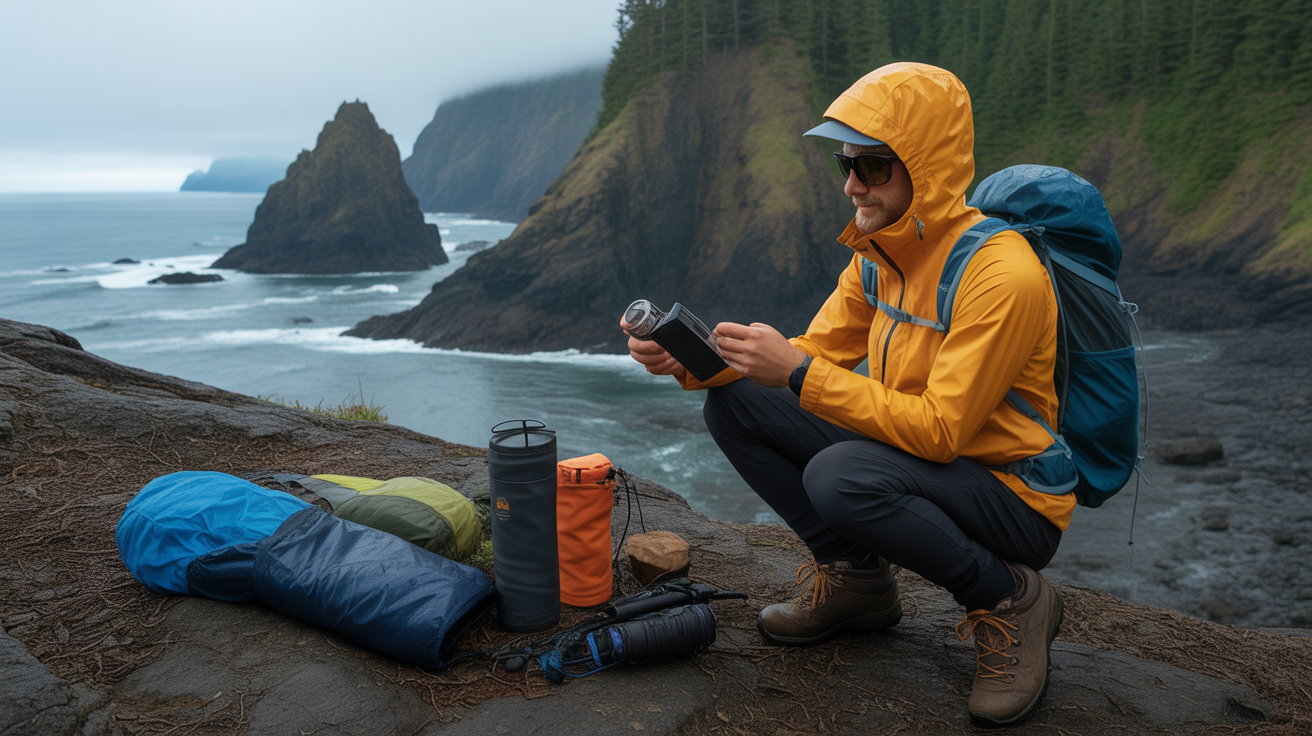
Knowing how to choose budget hiking gear without sacrificing safety is one of the smartest things you can do before your first or fiftieth hike. Gear costs can look overwhelming at first glance, and it is easy to assume that a smaller budget means cutting corners on things that matter. That assumption is worth pushing back on.
The truth is that plenty of hikers spend too much in the wrong places and too little in the right ones. A $200 jacket will not save you if your footwear fails at mile three. This guide breaks down exactly where your money makes a real difference on trail, where it genuinely does not, and how to build a solid, safe kit without draining your bank account. Whether you are heading out for your first few hikes or looking to upgrade a pieced-together setup on a tight budget, you will leave with a clear, practical plan.
What to Look For
Start With the Safety-Critical Gear List
How to choose budget hiking gear without sacrificing safety starts with separating gear into two categories: things that keep you safe and things that keep you comfortable. These are not the same, and your budget should reflect that difference. Safety-critical gear includes footwear, weather protection, navigation tools, hydration, and a basic first aid kit. Comfort gear includes things like a camp towel, trekking pole grips, or a camp chair. If money is tight, fund the safety list first and fill in the comfort list over time.
When evaluating any piece of gear, ask one question before buying: what happens on trail if this fails? If the answer involves real risk, that item belongs in your safety budget. If the answer is that you get a little uncomfortable, you have more flexibility to shop aggressively on price.
Where to Spend More: Footwear and Socks
Footwear is the single most important gear decision you will make. Cheap, poorly constructed shoes cause blisters, ankle rolls, and cut trips short. You do not need to spend $180 on trail runners, but you do need to spend enough to get a sole with real grip, a fit that matches your foot shape, and materials that hold up to repeated trail use. Mid-range hiking shoes and trail runners in the $60 to $100 range hit a sweet spot of quality and value that budget boots under $50 sometimes cannot match on longer or more technical terrain.
Do not underestimate what you put on your feet below the shoe, either. A quality pair of hiking compression socks with moisture-wicking fabric and low-friction seams is designed to support the features hikers prioritize for all-day comfort. Buying a durable pair of hiking-specific socks is one of the highest-return investments per dollar in your entire kit.
Where to Spend More: Rain and Weather Protection
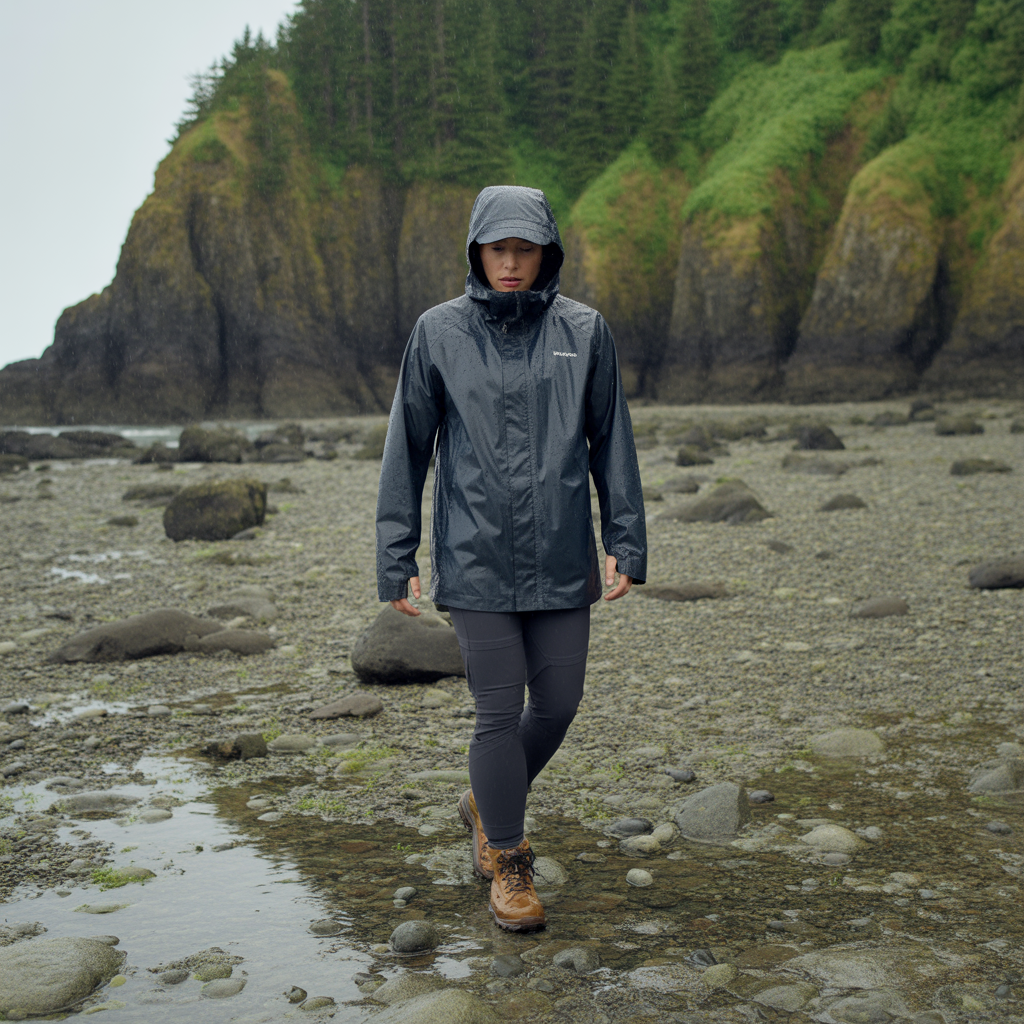
Weather is where budget decisions can cross from uncomfortable to genuinely dangerous. Getting soaked in wind with miles left to go creates a real risk of hypothermia, even in mild temperatures. A packable rain jacket designed for hiking does not need to cost $300. Reliable options exist in the $50 to $90 range that handle steady rain and pack down small enough to live in a daypack. The key features to look for are taped seams, a hood that actually adjusts, and a packable design rather than a bulky shell.
Layering underneath matters too. A lightweight merino wool base layer regulates temperature better than a cotton t-shirt in almost every condition, and mid-range merino options are widely available without the premium price tag of top-tier brands.
Where You Can Save: Daypacks and Carrying Systems
For day hiking, a pack does not need to be engineered for a thru-hike. It needs to fit your back, hold your gear, and carry a hiking water bottle securely. Mid-range hiking daypacks in the 20 to 30 liter range are widely available under $60 and handle the vast majority of day hikes without issue. Spend more only if you are covering long distances, carrying camera gear, or hiking in extreme heat where a hydration pack with a built-in water reservoir makes more sense than carrying bottles.
Adjustable straps, a hip belt, and a back panel with some ventilation are the features worth prioritizing. You do not need a carbon fiber frame or an integrated suspension system for a six-mile day hike.
Where You Can Save: Trekking Poles and Accessories
Budget-friendly trekking poles from reputable brands in the $30 to $60 range perform well for most hikers on most trails. The difference between a mid-range and premium pole becomes meaningful at high mileage or in technical terrain, but for regular day hiking, mid-range aluminum poles are more than adequate. If your budget is tight, poles are a reasonable place to save.
Similarly, a basic emergency whistle costs under $10 and belongs in every pack regardless of budget. It is a genuinely life-saving tool that costs almost nothing.
Smart Buying Strategies That Stretch Any Budget
How to choose budget hiking gear without sacrificing safety is also a question of where and when you shop. End-of-season sales, REI garage sales, outdoor gear swap events, and secondhand platforms like GearTrade and Facebook Marketplace regularly stock quality gear at significant discounts. Gear from a previous season performs identically on trail to current-year models.
According to REI’s hiking gear guide, building your kit gradually over several seasons is a practical approach that allows you to prioritize quality in the areas that matter most. You do not need everything on day one. Start with footwear, weather protection, hydration, and navigation. Add comfort and convenience items as your hiking frequency and trail ambition grow.
Avoid the trap of buying the cheapest version of everything in a single shopping session. A $15 rain jacket and $8 foam insoles are false economies when they fail at the moment you need them most. Targeted spending on items that carry real safety weight, combined with smart saving on gear that does not, is how hikers of every budget level build kits they can trust.
Frequently Asked Questions
What hiking gear should you never cheap out on?
Footwear is the non-negotiable starting point. A shoe or boot that fits poorly, lacks grip, or falls apart mid-hike creates real safety problems and ends trips early. Beyond footwear, weather protection is the other area where spending too little carries genuine risk. A rain jacket that soaks through in a downpour, combined with wind and elevation, can make mild temperatures feel genuinely dangerous. Navigation tools — whether a downloaded offline map, a GPS watch, or a physical map and compass — are also worth prioritizing in your budget. Finally, do not skip a basic first aid kit for hiking, which covers blister care, cuts, and basic trail emergencies. These categories — footwear, weather protection, navigation, and a first aid kit — are where safety lives. Trim costs on everything else before you trim costs here.
Can you hike safely with cheap gear?
Yes, with the right approach to what cheap means and where it applies. How to choose budget hiking gear without sacrificing safety is really about being strategic rather than frugal across the board. A budget pack, a mid-range headlamp, and secondhand trekking poles are all reasonable savings. A no-name rain jacket with no sealed seams or a pair of discount shoes with minimal grip on wet rock are not. The terrain and conditions you hike in also shape where the risk actually sits. A flat, well-marked nature trail in dry weather has very different gear demands than a rocky ridge in variable weather. Matching your gear choices to the actual conditions you will face, and protecting your safety-critical items from the deepest budget cuts, is how hikers build reliable kits without overspending.
How do you know if budget gear is good quality?
Review count and rating together tell you more than price does. A piece of gear with 2,000 reviews and a 4.4-star rating has been tested by real people in real conditions, and patterns in those reviews reveal whether the gear holds up over time. Look for reviews that mention durability after multiple uses, performance in rain or cold, and how the item held up compared to expectations. Avoid gear with very few reviews regardless of price, since there is no reliable signal of real-world performance. Reputable outdoor brands also offer budget lines that carry quality standards their reputation depends on. Brands like Columbia, Marmot, Black Diamond, and REI’s house brand all produce accessible gear that meets real performance benchmarks. Checking whether the brand has a repair or warranty policy is another quick signal of how seriously they stand behind what they make.
What is the minimum gear needed for a safe day hike?
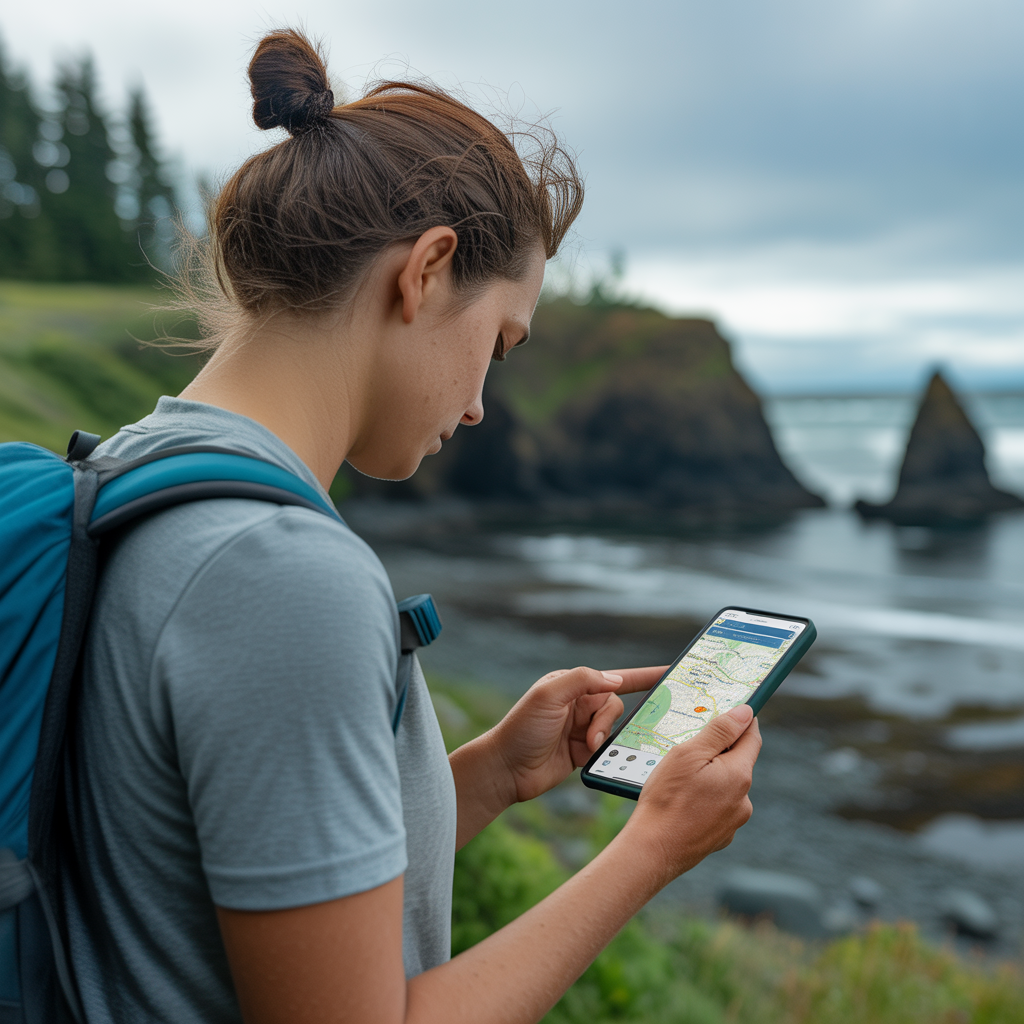
The classic framework for this is the Ten Essentials, a list developed to cover the core safety needs on any day hike. It includes navigation tools, sun protection (a hiking hat for sun protection and sunscreen), insulation for unexpected weather, illumination (a headlamp with fresh batteries), first aid supplies, fire-starting tools, a repair kit and tools, nutrition, hydration, and emergency shelter. For most day hikes, this translates to a well-fitted pack with water, snacks, a basic first aid kit, a rain layer, a charged phone with an offline map downloaded, a headlamp, and appropriate footwear. You do not need cutting-edge gear to check every box on this list. According to the National Park Service, preparation and planning matter more than gear cost when it comes to trail safety.
The Bottom Line
How to choose budget hiking gear without sacrificing safety comes down to one core principle: spend where it counts and save where it does not. Footwear, weather protection, hydration, and a basic first aid kit are the categories where your dollars have the most direct impact on what happens when conditions change on trail. Daypacks, trekking poles, accessories, and camp comfort items offer more room to work with your budget without meaningful safety trade-offs.
If you are heading out for your first hike, prioritize solid footwear and a packable rain layer above everything else. If you are building out a more complete kit over time, add pieces in order of their safety relevance, shop end-of-season sales, and buy secondhand when the gear is in good condition. If you hike frequently, investing a little more in high-wear items like socks and insoles pays off quickly in comfort and longevity.
None of this requires a big budget or a deep knowledge of gear specs. It requires knowing which decisions actually matter, and this guide gives you exactly that foundation to build from.
Disclosure: As an Amazon Associate, we earn from qualifying purchases. This does not affect our editorial recommendations.